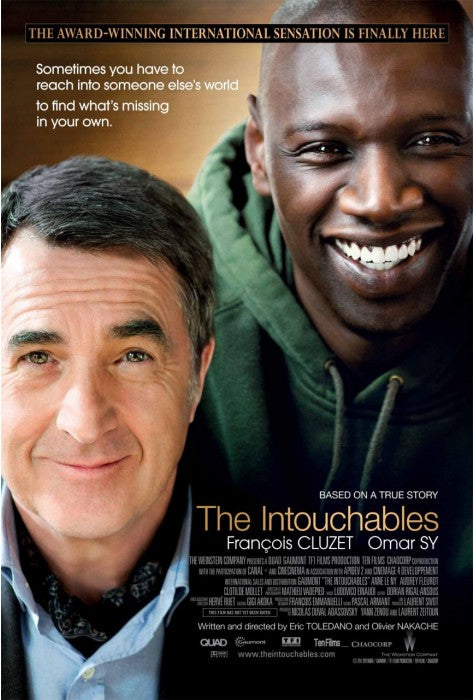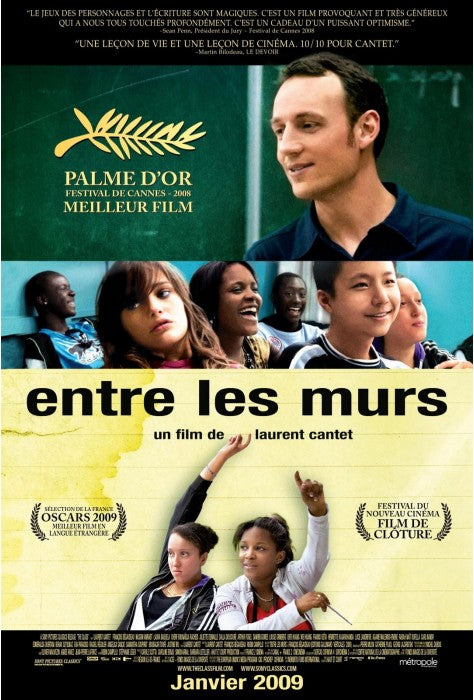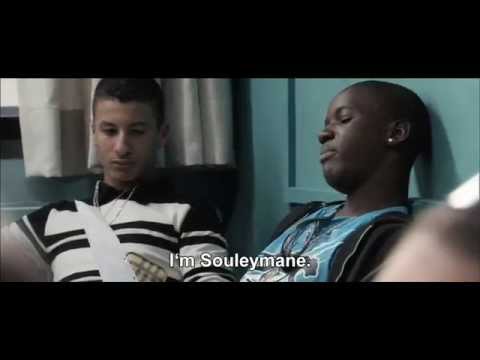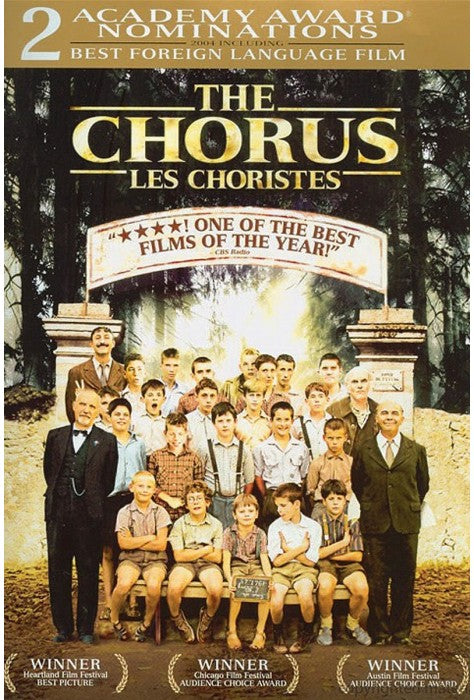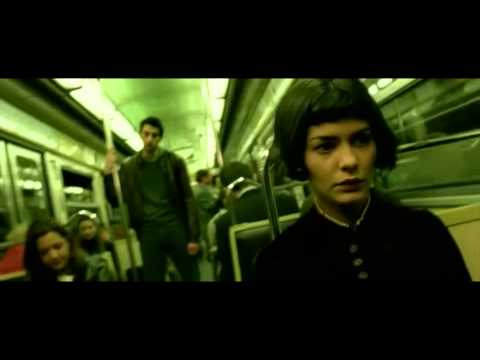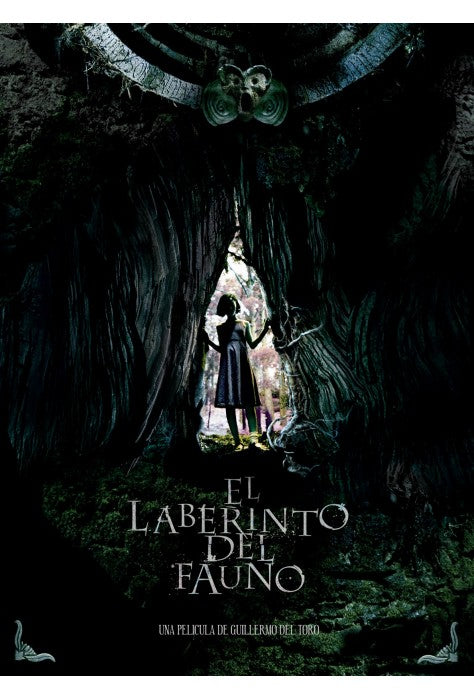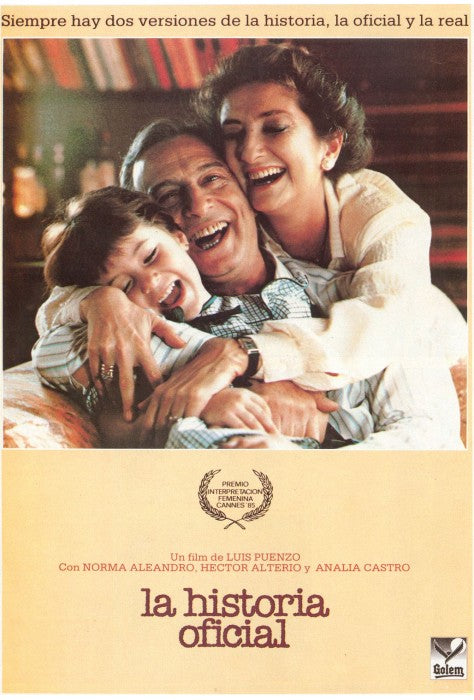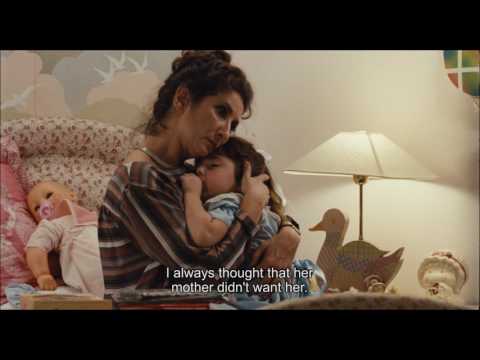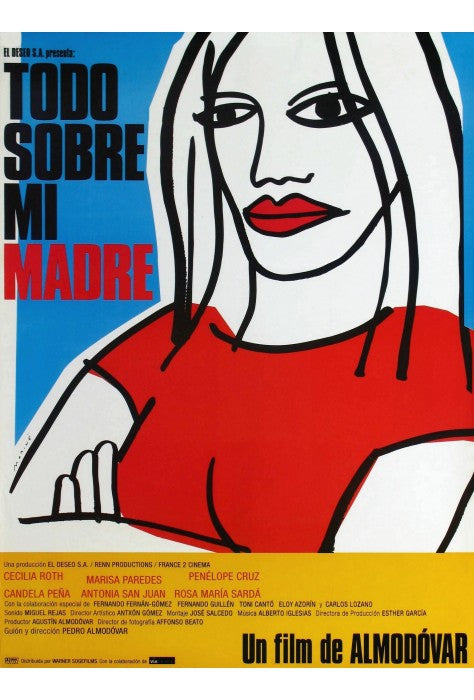
You chose a French film. Beautiful film. Authentic dialogue, real stakes, exactly the kind of language your students need to hear. And then you played the first scene, and half the room looked at you like you had made a technical error, because the accent sounded nothing like what they have been hearing in class for three years.
This is not a rare problem. It is built into the way language education works. Most secondary language programs teach one accent — usually a prestige variety, sometimes a regional one, rarely an honest mix. Then a teacher tries to use an authentic film, and the gap between what students have trained their ears on and what the characters are actually speaking creates a wall. Students stop trying to comprehend. They assume they are not good enough. The affective filter goes up and stays up.
Here is the thing: the wall is real. But it is also, with the right framing and the right tasks, one of the most productive moments in a language classroom.
Why Accent Variation Is Not a Problem — It Is a Curriculum
The research on accent perception in second language acquisition is unambiguous on one point: exposure to variation is not optional for genuine acquisition. Learners who have only ever heard one accent of a language are not acquiring that language — they are acquiring a single performance of it. When they encounter a different speaker — a Quebecois French speaker, a Chilean Spanish speaker, a Viennese German speaker — they experience comprehension failure that is not explained by their proficiency level. It is explained by the narrowness of their auditory input.
Flege's Speech Learning Model describes how the L2 phonological system solidifies around the input learners receive most. If every teacher model and every audio track in the textbook comes from the same regional variety, that is what the learner's phonological system is built around. This is why immersion students who spend time in-country so rapidly close the gap — not because they suddenly became better language learners, but because their auditory exposure suddenly diversified.
Authentic film is the best classroom substitute for that diversification. But only if you set it up correctly.
The Two Mistakes Teachers Make
There is a version of this that goes badly, and I have lived it. I showed a film from Quebec to a French 3 class without any preparation, and by minute fifteen they had collectively decided that the problem was them. One student actually said, after class, "I thought I was okay at French." That sentence haunted me for weeks. She was okay at French. She just had never heard Quebecois French spoken at native speed in an emotionally charged scene. Those are two entirely different things, and I had not made the distinction for her before pressing play.
The first mistake is treating accent variation as a comprehension failure. The second mistake is over-explaining it before the film starts in a way that raises anxiety rather than curiosity. Both mistakes have the same effect: students decide the problem is their inadequacy.
The fix is a reframe that happens before the film and is genuinely true: you are about to hear French that sounds different from what we've been working with. That is the point. Linguists call this accent variation, and every language has it. Your job in this first viewing is not to understand every word. Your job is to track the story using all available information — faces, body language, context, the words you do catch. That is what every traveler does on day one in a new place. Today, we're practicing that skill.
That reframe takes thirty seconds. It changes everything. The students are no longer failing at comprehension — they are succeeding at a harder task. The shift is not trivial: Krashen's affective filter research consistently shows that learners who feel they are failing stop processing input. Learners who feel they are attempting something appropriately difficult continue. The words you use before the film starts determine which classroom you are in.
The Task Architecture That Makes It Work
Before the film: narrow comprehension targets
Do not ask students to comprehend everything. Give them two or three specific things to track: a character's name, a relationship, a decision that has to be made. Comprehensible input theory, in Krashen's formulation, requires that the input be slightly above the current level — the famous i+1. For accent variation specifically, narrowing the comprehension target is how you manage the "+1" so it does not become "+10."
During the film: mute-and-predict
This is a technique I came back to repeatedly with accent-challenging films. Stop the film at a moment of tension and play ten seconds of audio without the visual — just voices. Ask students to write down what they heard, even if it is fragments and guesses. Then replay with the visual. The comparison between what they thought they heard and what they understood with context is one of the most productive discussions you can have about how listening actually works. Students discover, viscerally, that comprehension is partly construction — they are always filling in gaps using context, and in an unfamiliar accent, the visual context matters more.
After the film: reflective accent mapping
This is the move that closes the loop linguistically. Ask students to identify three words or phrases that sounded different from the French, Spanish, or German they have learned — and to describe the difference. Not "it sounded weird" but "the vowel in this word was more open" or "they dropped the end of that word." This is a metalinguistic task, and it does something important: it positions students as observers of phonological variation rather than victims of it. That shift in stance is the beginning of genuine accent flexibility.
The Language Argument for Keeping the Accent
There is always a temptation, when a film's accent is causing difficulty, to switch to something "easier." This temptation should be resisted, and not just for pedagogical purity. The argument against switching is a language argument: the variation itself is information. Accent carries social meaning, regional identity, class markers, generational coding. A Mexican Spanish film tells you things about how language works in Mexico that a Castilian Spanish film cannot tell you. A Marseille accent in French carries social information that a Paris accent does not.
When students learn to navigate accent variation, they are learning something that no grammatical drill can teach: that language belongs to communities, and every community speaks it differently, and that is not a flaw in the language — that is the language. Students who learn this in secondary school carry it with them when they travel, when they encounter heritage speakers, when they eventually consume authentic media on their own. Students who only ever heard one accent carry a brittleness with them instead.
A Note on Your Own Accent
The corollary to all of this is something worth sitting with: your accent is also regional, also socially coded, also a single variety among many. When you acknowledge that to students — when you say this is how I speak French, and this character speaks it differently, and both are real French — you model exactly the kind of linguistic flexibility you are trying to build. You are also, probably, telling the truth about yourself. That combination is worth something in a classroom.
If you are looking for film-based lesson plans built around authentic language in the language your students are actually learning — including task structures designed to scaffold accent variation and listening comprehension — the FilmArobics French line is built for exactly this. Every plan starts from the film's actual language, not a cleaned-up version of it.