Every Spanish teacher has had this moment: a student returns from a class trip to a Spanish-speaking country and reports, with some confusion, that people kept giving them strange looks. Their grammar was fine. Their vocabulary was fine. They'd been studying for three years. But something was off, and they couldn't name what.
What was off was pragmatics. And it's the gap almost nobody teaches.
I had a student — bright kid, genuinely strong in Spanish — who spent a week in Costa Rica with a host family. First dinner, he asked the host mother for more rice. Grammatically correct. Phonologically fine. And somehow so blunt that she paused before answering. He didn't say anything wrong. He just sounded like someone who had learned Spanish but had never used it with actual people.
What Pragmatic Competence Actually Is
In 1980, Canale and Swain proposed a model of communicative competence that language teachers still argue about — but the core insight holds up: knowing the grammar is one thing, and knowing how to use language appropriately in social situations is a completely different skill. They called the second one pragmatic competence. It covers how to make requests, how to decline without offending, how to soften a disagreement, how to open and close a conversation in a way that sounds natural rather than strange.
These are not grammar rules. They are social-linguistic conventions, and they vary by language, region, and context. What sounds appropriately direct in one culture sounds rude in another. Students who have only learned from textbooks have essentially no access to this layer — because textbooks cannot model it.
A textbook can tell you that por favor means please. It cannot show you the difference between ¿Me pasas la sal? and ¿Podrías pasarme la sal, si no te molesta? at a family dinner where those two utterances land completely differently — and where the pragmatic weight of each only becomes clear when you see the person's face when they hear it.
Why the Classroom Masks the Problem
In class, students are polite by default — because they're being evaluated. They hedge. They over-formalize. They produce careful language that often sounds better than it would in a real interaction. The classroom doesn't create conditions where pragmatic failures surface, because the social stakes are low and the register expectations are shared.
You don't find out there's a problem until they're in a real conversation. Which, for most students, is either never, or once on a trip, or when an exchange student arrives and everyone has to actually talk to a person.
The result is students who are polite at their desks and baffling on the street. And the fix isn't a grammar unit, because grammar isn't the problem.
What Film Does That Worksheets Cannot
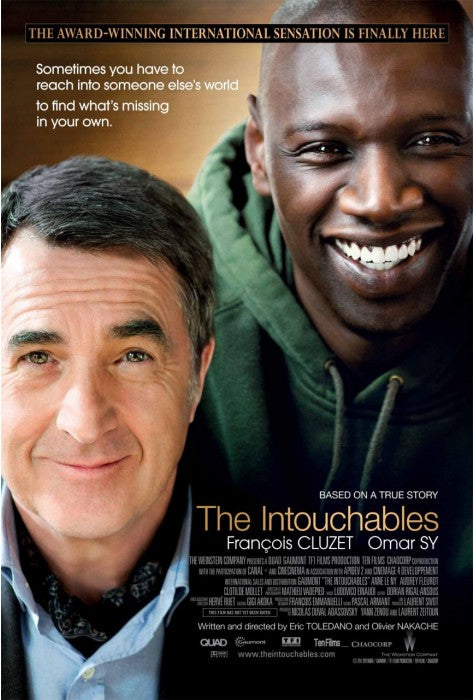
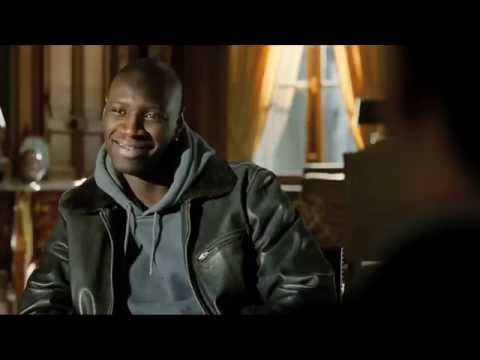
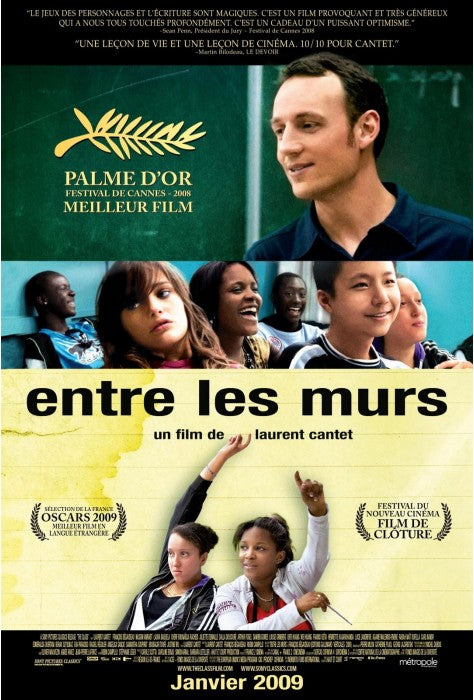
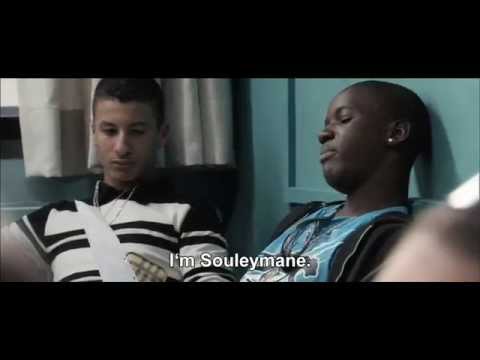
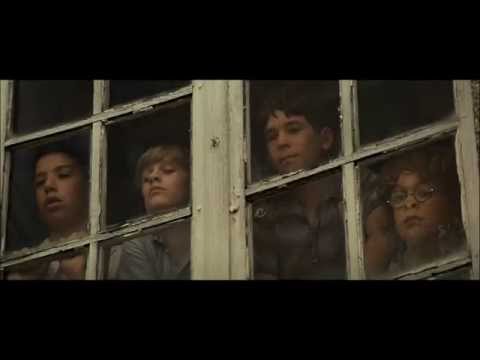
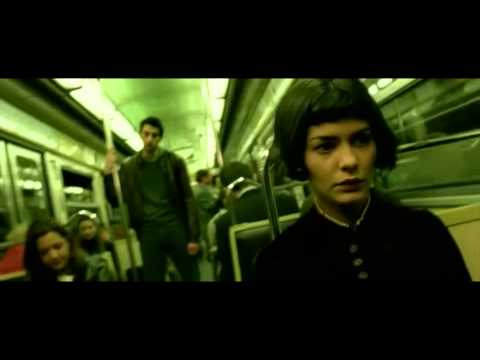
Film is the only classroom input source that models pragmatic competence in real time, with emotional context, across a range of social situations. When a character in a French film asks a favor from a close friend versus from a supervisor, the linguistic difference is in the softeners, the hedges, the degree of indirection — and students can hear it, see it, feel whether it lands, all at once.
Schmidt's Noticing Hypothesis applies here in an underappreciated way. Students notice pragmatic features — the polite softener, the hedge, the formal address shift — when those features are salient in context. A character who asks something too bluntly and gets a cold response makes the pragmatics visible in a way no explanation ever can.
Three Tasks That Actually Teach Pragmatics Through Film
The Register Comparison Task
Find two scenes where a character makes a similar request in different social contexts — once to a peer, once to an authority figure. Play both. Ask students: what changed? Not just vocabulary — the entire shape of the utterance. This surfaces register differences that textbook glossaries never flag.
The Dubbed Reaction Task
Play a scene, pause right after a key utterance, and ask: how did the listener react? Was it too direct? Too soft? What would you say instead to get a different response? This puts students in the pragmatic analyst seat — they're not just comprehending, they're evaluating social-linguistic appropriateness. That skill transfers.
The Tone Imitation Task
Pick a scene with a pragmatically loaded utterance — a request, an apology, a refusal — and ask students to repeat it exactly: same tone, same rhythm, same affect. Not vocabulary drills. Shadowing the pragmatic shape. This builds the internalized model of what appropriate language actually sounds like in a way that explicit instruction cannot replicate.
Krashen's comprehensible input theory implies this, even when it's not stated directly: you acquire the social rules of language the same way you acquire the grammar — through repeated exposure to meaningful, contextualized input where the social stakes are visible.
The Exchange Student Benchmark
Here's a test I use for whether a film unit is actually teaching pragmatics: would a student who completed this unit be less likely to accidentally offend a native speaker? Not never — pragmatic failure is inevitable and informative — but less likely to come across as blunt or cold because they've only ever heard scripted textbook dialogue?
If the answer is yes, the unit is doing something textbooks cannot do.
This matters because it expands what we're claiming language class can accomplish. We're not just teaching vocabulary and grammar. We're teaching students how to be in a social world where the target language is the medium. That requires genuinely different instruction.
Where to Go From Here
If your students have that particular quality of being grammatically excellent and somehow still difficult to talk to — this is the gap. The good news is that every film in the target language is a pragmatics curriculum. The question is whether your lesson structure is designed to surface it.
The FilmArobics French lesson plans are built around scenes where language does social work — where tone, register, and relational context are part of what students are asked to notice and respond to. Not because we labeled a section "pragmatics," but because the task design makes the social layer of language visible. That's where the real fluency lives.
Your student who came back from the trip confused wasn't missing grammar. She was missing a thousand hours of watching what language actually does between people.
Film gives you a start on that.