There's a particular kind of Tuesday — third period, the day before homecoming — where you could project the Declaration of Independence on the wall and get about eight minutes of genuine engagement before the room quietly stops existing. The pep rally is at 2:00. Half your students have body paint on. You have forty-five minutes on the schedule that says Spanish III.
This is not an edge case. It happens before every major school event, every holiday, every standardized testing week, every time a sports team makes the playoffs. And if you've been teaching more than three years, you have a version of a plan for it. It probably involves a movie. It probably goes better than nothing, but not as well as it could.
There's a version of this day that actually teaches language. Not heroically, not across-the-whole-unit teaches — but genuinely produces acquisition in a limited window.
What the Research Says About Distracted Attention States
Working memory is resource-limited, and when students are emotionally activated — anticipating something exciting, anxious about something coming — those resources are partially occupied. Krashen's affective filter framing is useful here: a high-affect state cuts both ways. Excitement and anticipation lower inhibition, which can be good. But they also reduce the sustained attentional capacity needed for explicit instruction, grammatical analysis, or anything that asks students to hold multiple things in mind at once.
Your standard plan — grammar instruction, text-based reading, structured writing — will fail not because your students are disrespectful, but because the cognitive architecture isn't available. You are competing with a neurological event.
What this does not mean is that no acquisition is possible. Schmidt's Noticing Hypothesis doesn't require calm. It requires salience. If a student notices a form in input — registers it, however briefly — that's the beginning of acquisition. The question is what kind of input can generate that noticing in a room that is already halfway gone.
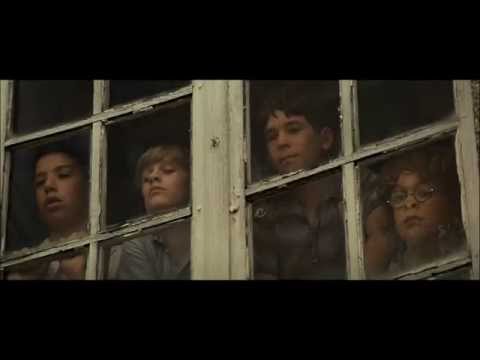
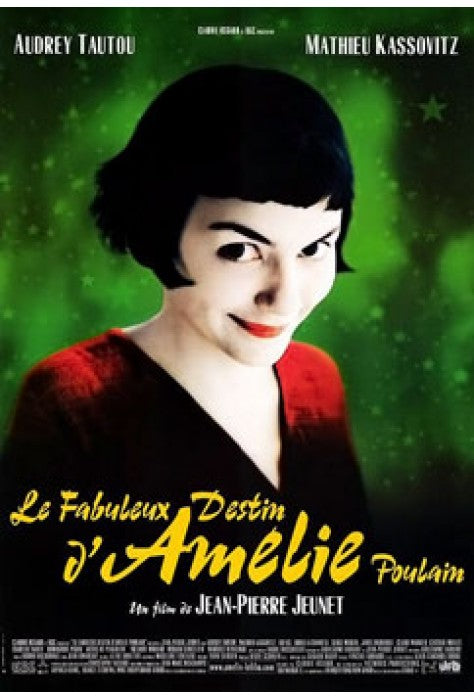
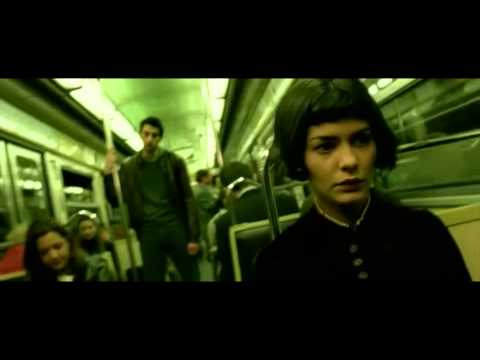
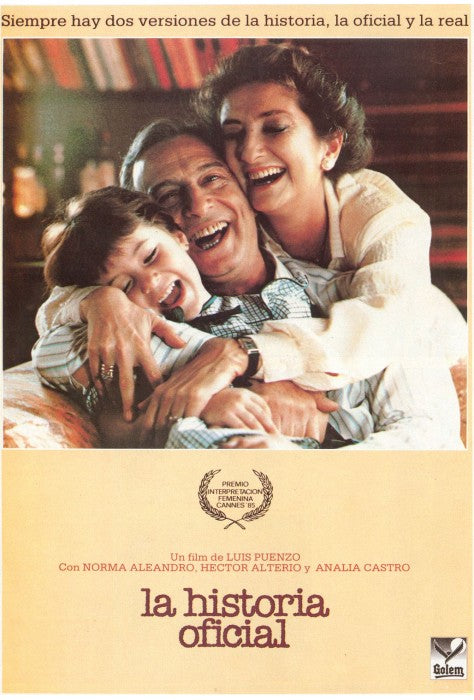
The answer is emotionally loaded, highly contextualized input at an accessible level. Which is what a well-chosen film clip is.
The 20-Minute Window Is Real — Plan For It
I've stopped pretending I have forty-five minutes of usable class on days like this. I plan for twenty — twenty minutes where I can get something real — and I treat the rest of the period as reinforcement, not new instruction.
Minutes 0–5: The Anchor
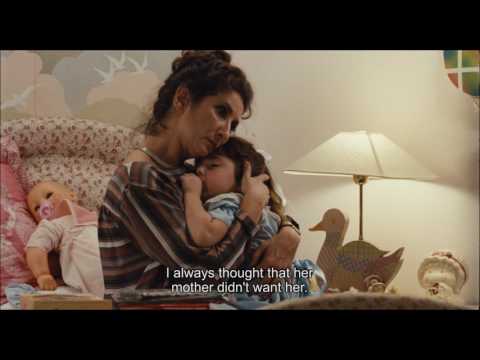
One scene. Two minutes of film, maximum. Something with high visual-contextual load — students can understand what's happening from body language, tone, and setting even before they process a word of language. An argument. A reunion. A decision. Something they want to watch. Play it twice. No worksheet yet.
Minutes 5–12: The Single Task
One task only. Not four comprehension questions. One generative task: Write three sentences about what this person is feeling and why. Use at least one verb from the board. Or: Convince your partner in Spanish that this character made the right decision — one minute, then switch.
The scene gave them content. The task asks them to do something with the language. That's the acquisition loop, compressed.
Minutes 12–20: Low-Stakes Output
Share out. Don't cold-call. Let pairs volunteer. Ask two or three follow-up questions in the target language, keep them simple, keep the tone light. You're not drilling. You're keeping the language warm.
Everything after minute twenty is consolidation — vocabulary review, a cultural note, free writing in the target language. Not new instruction. Reinforcement.
Why One Scene Is Enough
Teachers often feel that using a single film clip is somehow cheating — that a real lesson requires more. Nation and Newton's work on input quantity versus input quality suggests otherwise: dense, meaningful engagement with a small amount of rich input outperforms shallow exposure to large amounts. A two-minute scene that generates genuine noticing and a full productive task is more acquisition than forty-five minutes of half-attended lecture.
This is worth saying clearly because it gives you permission. You are not shortchanging your students by planning a compressed lesson on a day when compressed is all you've got. You are being accurate about cognitive conditions and designing accordingly. That's good teaching, not a concession.
The Vocabulary Move That Works on Distracted Days
Before the clip, put six to eight words on the board. Tier 2 words — words that appear in the scene, useful across contexts, likely to recur. Don't define them. Just put them there.
After the clip: which of these words did you hear? Which ones can you figure out from context? This is a noticing task with almost zero cognitive overhead. Students scan, connect, recognize — all processes that function even in a high-distraction state. And because the words came from a scene they just watched and cared about, the semantic encoding is stronger than any flashcard.
Krashen would call this comprehensible input working as it should: meaning first, form incidentally, retention through emotional salience.
What Not to Do
Don't show a full film and call it a lesson. Unstructured viewing is not acquisition. The scene has to be paired with a task, even a small one.
Don't apologize for the lesson. Students pick up on teacher ambivalence instantly. This lesson matters. It's just designed differently.
Don't introduce new grammar. Today is not the day. New grammatical structures require working memory that isn't available. Review and recycle structures students already know inside new content — consolidation of known forms in novel contexts is still genuine acquisition.
Why Film Survives the Irregular Calendar
Film-based language instruction is modular in a way textbook units aren't. A textbook unit assumes a continuous instructional window. Film-based work can flex — a scene here, a clip there, a full viewing session when the schedule allows — without losing coherence, because the emotional context of the narrative keeps students oriented across interruptions.
That modularity is what makes film units survivable across the actual calendar of a school year: state testing week, homecoming, the week before winter break, the day the exchange student arrives and disrupts everything in the best possible way. You don't lose the thread, because the film is the thread.
If you want a structure with the pre-film, during-film, and post-film work already built out — where every section stands on its own and sequences correctly with the rest — the FilmArobics Spanish lesson plans are designed exactly for that. On the day before homecoming, you open to the clip task, do twenty good minutes, and know you haven't broken anything.
The pep rally will still happen. The lesson still counts.