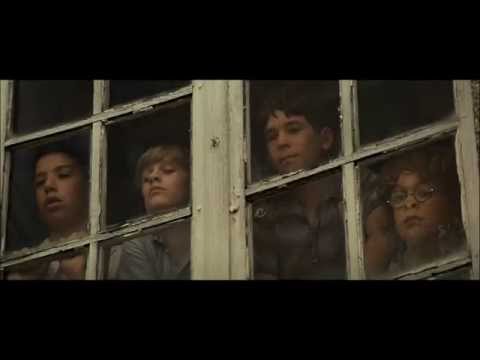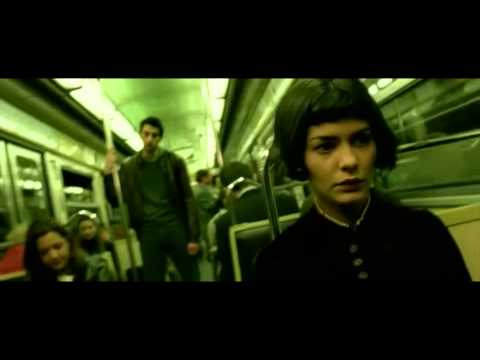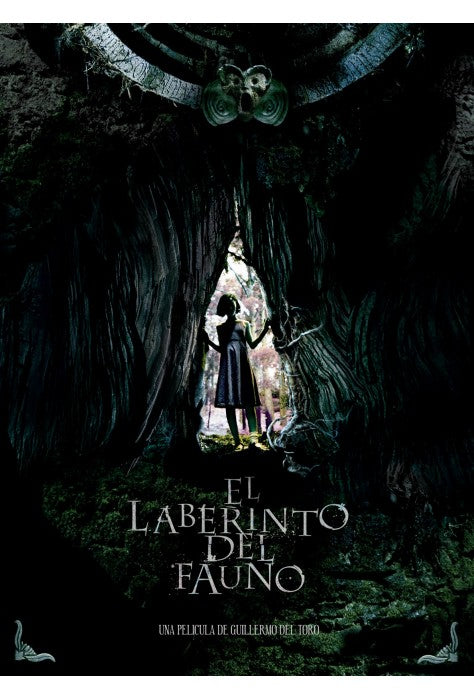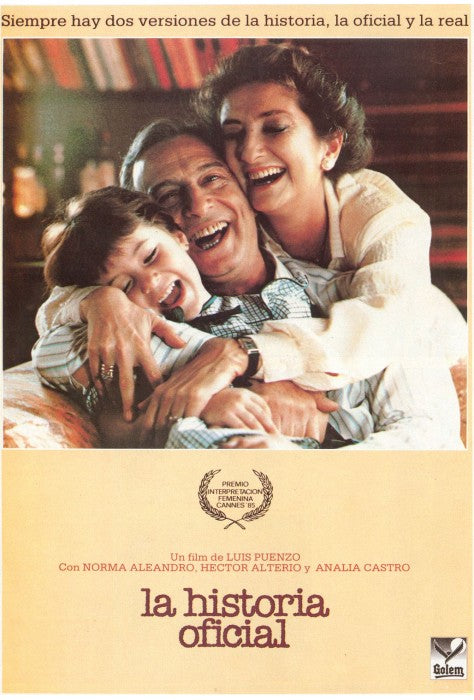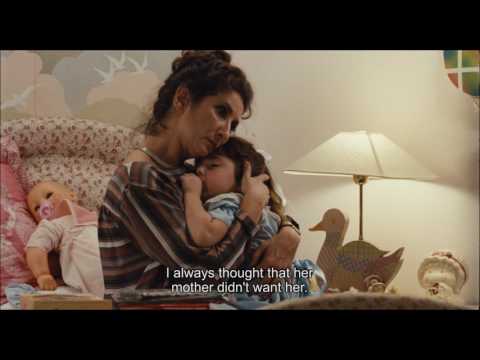
There is a moment every language teacher knows and nobody really prepares you for. You are mid-scene, something happens on screen — a line, a gesture, a cultural detail, a joke that lands sideways — and you can feel the room shift. Students lean forward. Someone says something under their breath. A hand goes up. And you have about four seconds to decide: do you stop the film, or do you let it run?
The official answer from most teacher training programs is some version of "follow the students, be responsive." That advice is not wrong, but it is not enough. Because what happens in those four seconds is not just a classroom management call — it is an acquisition decision. And the research on what to do next is a lot more specific than "trust your instincts."
What the Unplanned Moment Actually Is
Richard Schmidt's noticing hypothesis gives us a useful frame. Schmidt argued that conscious attention to form is a prerequisite for acquisition — that learners do not absorb language they have not, at some level, noticed. The implication for film teaching is significant: the moment a student reacts to something on screen, they have already done the noticing. The affective response came first. The language attached to that response is now primed for acquisition in a way that no worksheet can manufacture.
That is why the spontaneous moment matters so much. It is not a disruption to the lesson — it is the lesson announcing itself.
The trouble is that most teachers, when caught off guard, do one of two things. They either pause the film and explain — which runs the risk of over-scaffolding and killing the energy in the room — or they say "we'll come back to that" and never do. Both moves leave the acquisition window open and then quietly close it.
The Three Types of Unplanned Reactions
Not every spontaneous student reaction is the same. It helps to sort them before the moment arrives, so the decision is faster when it does.
The Comprehension Gap Reaction
Students look confused. Something on screen did not land. This is usually a cultural or linguistic gap — an idiom, a reference, a social dynamic that does not translate. The instinct is to explain. Resist it, at least immediately. The better move is to let the film run for another thirty seconds, then pause and ask: ¿Qué creen que pasó ahí? or Qu'est-ce que vous avez compris? You want students to attempt comprehension before you provide it. That attempt — the productive struggle — is where the language work happens. Stephen Krashen's input hypothesis tells us that comprehensible input just beyond current competence drives acquisition; but comprehension always involves some reaching. Give students the chance to reach before you hand them the answer.
The Emotional Spike Reaction
Students laugh, gasp, or go quiet in a way that tells you something landed hard. This is the highest-value moment in a film unit, and it is the one most often squandered. The emotional response has just done something that no vocabulary list can do: it has created a memory trace. Research on emotionally salient learning events consistently shows elevated retention of associated language. The scene is already in long-term memory. Your job now is to attach language to it before it fades back to pure feeling.
I keep a small stack of index cards in my desk for exactly this. When a moment like this happens — and it happens more than you would think — I write the line from the film on the board and ask students to write one sentence responding to it in the target language. One sentence. No more. The idea is to catch the energy while it is still in the room, not let it dissipate into English side conversations.
It sounds simple because it is. But simple done at the right moment is worth more than elaborate done when nobody cares.
The Cultural Friction Reaction
A student pushes back on something they saw. The gender dynamic in a scene. The way a character treats someone. A value system that conflicts with their own. This is the most delicate unplanned moment, and it is also the most pedagogically rich. Cross-cultural pragmatics research — Dell Hymes, Krashen's affective filter work — is clear that language acquisition is blocked when learners feel unsafe or disrespected. But cultural discomfort that is held, examined, and articulated in the target language is some of the most powerful language production you will ever get from a secondary class.
The move here is not to mediate the discomfort away. It is to redirect it into language: ¿Cómo describirías la actitud del personaje? Put the student's discomfort into a task. Let the feeling become output.
The Structural Fix: The Reaction Slot
Here is the thing: you cannot plan for the unplanned. But you can plan for the moment that follows it. The most practical adjustment I ever made to my film units was building what I started calling a reaction slot — a ten-minute buffer at the end of every film class that was explicitly designated for "whatever happened today that we need to talk about."
Students know it is coming. They know there is time. That alone changes how they watch. Instead of suppressing reactions to stay on schedule, they hold them. They write them in the margin of their task sheet. They bring them to the slot. And the conversation in those ten minutes is almost always the most productive language production of the period.
VanPatten's work on form-meaning mapping suggests that learners need multiple exposures to form in meaningful contexts. The reaction slot creates exactly that — the same vocabulary and structure appearing in emotion, in discussion, in writing, all tied to a scene the student already cares about.
The One Thing to Avoid
Do not let the unplanned moment become a lecture about the unplanned moment. The fastest way to destroy the energy of a spontaneous reaction is to stop the film, put on your teacher voice, and explain at length what the scene was about and why it matters. You have now made yourself the center of the room again, and the moment belonged to the student.
Ask a question instead. Write the line on the board. Give them thirty seconds to respond in writing. Then let them talk to each other before they talk to you. The language will come, and it will be theirs.
That is what film does that a textbook cannot: it generates the reaction first, and lets the language follow. Your job is not to produce the reaction — it is to catch it when it comes and turn it into acquisition before the bell rings.
If you want a structured film unit that is already built to hold moments like these — with task sequences designed to catch and extend spontaneous student engagement — the FilmArobics Spanish lesson plans are designed exactly for this. Pre-film, during-film, post-film — with space for the room to breathe when something unexpected happens. That space is not an accident. It is the point.