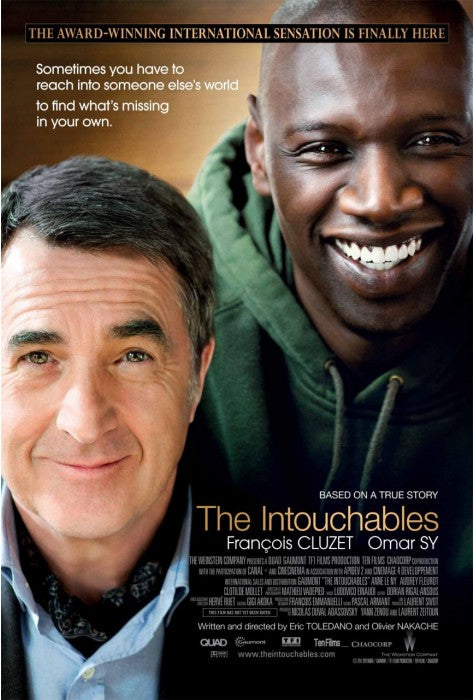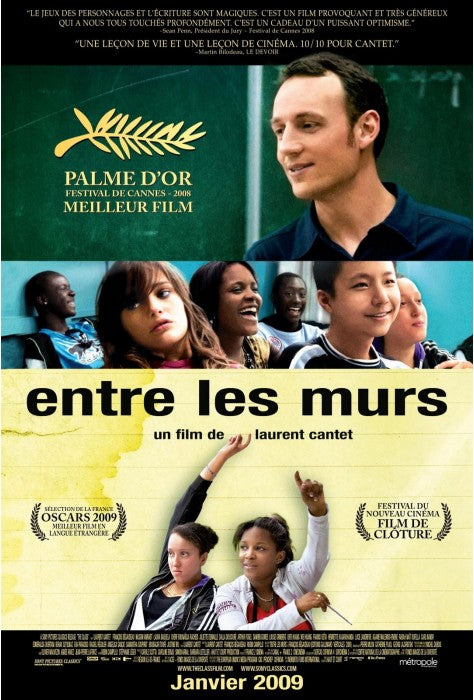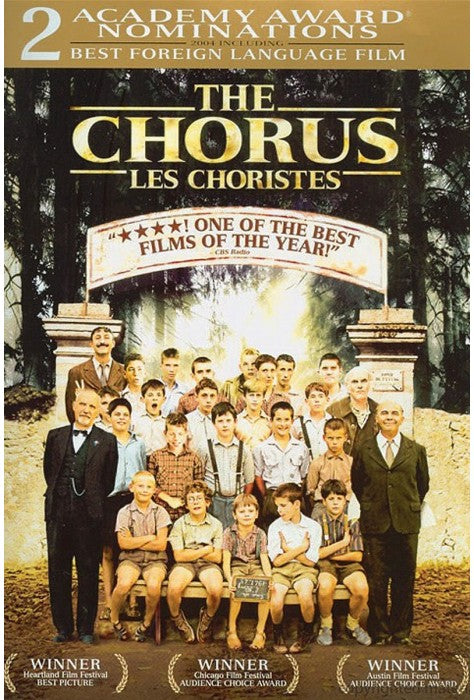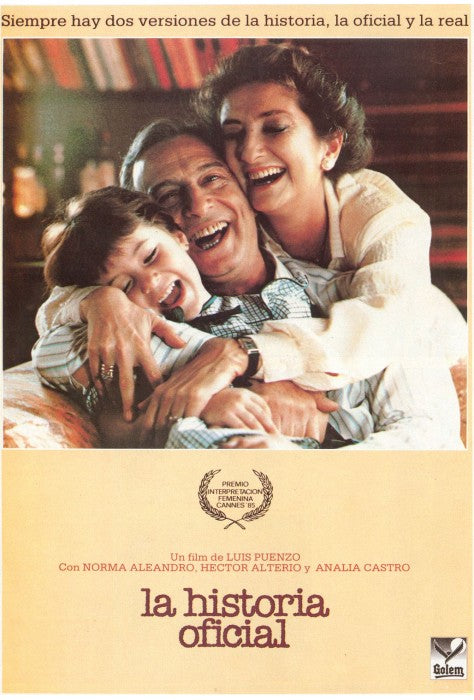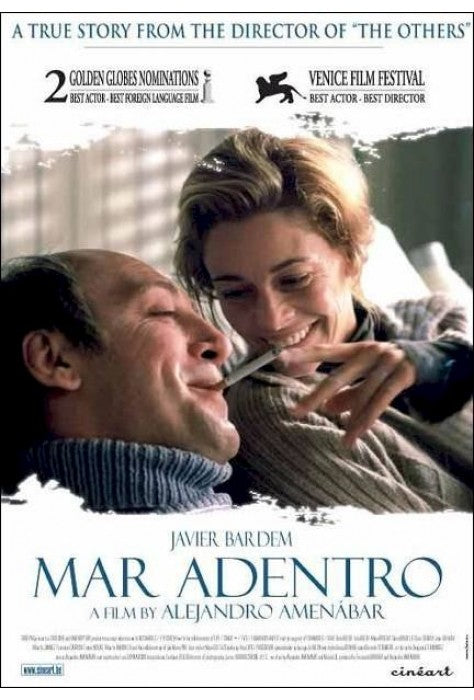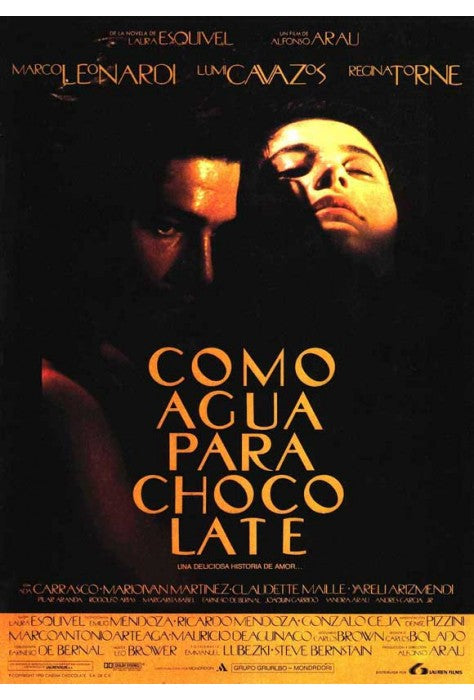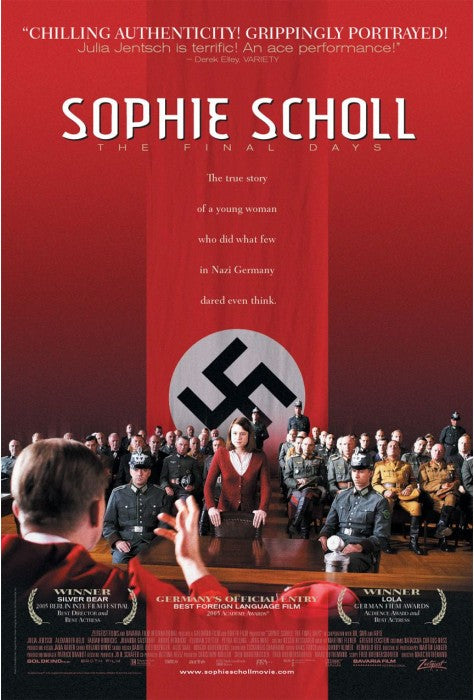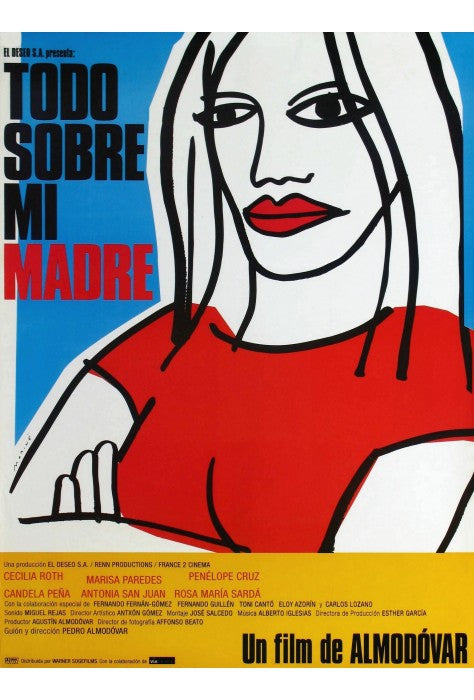
It usually happens in the copy room. You mention that you're doing a film unit and a colleague gives you the look. The one that says: that's nice, but when are they going to learn something? Maybe it's the department chair. Maybe it's the curriculum coach who comes in with a rubric and leaves a note about "instructional time." Maybe it's the email from your principal about "purposeful screen use."
Whatever the source, the message is the same: film is a reward. Language learning is work. And mixing the two means you're not taking the work seriously.
This is wrong. It is wrong in a way that is backed by thirty years of second language acquisition research. And it matters enough to fight — not because you have something to prove, but because your students are better off when you win.
Where the "Film Is a Reward" Idea Comes From
The belief isn't entirely irrational. It emerges from a model of language learning that positions explicit instruction — grammar rules, vocabulary lists, written exercises — as the real work, and everything else as supplementary. In that model, a film is a treat you earn by completing the actual content. It's passive. It's entertainment. It doesn't ask anything of students.
The problem is that this model is not supported by the research on how language is acquired. Krashen's distinction between learning and acquisition isn't just a theoretical preference — it describes a functional difference in how language gets stored and retrieved. Explicit learning (rules, paradigms, drills) produces knowledge that students can access slowly, under low pressure, in familiar formats. Acquired language is what comes out when someone is under conversational pressure, when they don't have time to run the grammar rules. That's the language that actually shows up in real communication.
Film doesn't produce acquisition by accident. It produces acquisition because it delivers the conditions for it: emotionally salient input, contextualized vocabulary, authentic prosody and rhythm, and — when taught well — the structured output tasks that push language from reception into production.
The Specific Arguments Worth Having
"They're just watching TV"
This one stings because there's a grain of truth in it. Passive film viewing without any instructional structure probably doesn't produce much acquisition. Research on incidental vocabulary learning from films (Webb, 2010; Rodgers & Webb, 2011) shows that unstructured viewing yields some incidental gains — but structured viewing with pre-teaching, noticing tasks, and output activities yields significantly more.
The response isn't "no, they're not" — it's "here's what we're doing before, during, and after the film, and here's what the research says each component produces." That's a different conversation entirely. Bring the lesson plan. Show the pre-film vocabulary work, the during-film tasks, the written output. It's not TV. It's a structured instructional unit that happens to use a film as its primary text.
I've sat across from a curriculum coordinator with exactly this conversation, and once she saw the actual pre-film scaffolding and the output task my students were turning in, the "they're just watching TV" argument evaporated pretty quickly. The lesson plan is your best evidence.
"The language in films is too difficult"
This argument has more surface plausibility, but it misunderstands Krashen's i+1 framework. The claim isn't that every word needs to be understood — it's that the overall input needs to be comprehensible enough to extract meaning from context. Film actually performs better here than most teachers expect, because visual context, emotional context, and prior knowledge all contribute to comprehension in ways that a printed text cannot replicate.
The research on multi-modal input processing (Paivio's dual coding theory, extended by Mayer in multimedia learning) is unambiguous: when students have both auditory and visual channels carrying the same content, comprehension rises significantly — even when the linguistic difficulty of the audio is higher than what the student would decode successfully in a printed text. Film is not harder than a textbook. For most students, it's actually easier to process, because it provides so many more comprehension channels simultaneously.
"You can't assess acquisition from a film"
You can absolutely assess it — you just can't assess it with a multiple-choice quiz at the end of the screening. This is where the complaint has some legitimate force: if the only measure is a comprehension quiz, then a film unit looks a lot like passive entertainment with a test stapled to the end.
The assessment design is part of the instructional design. Written character analyses in the target language. Recorded monologues responding to a scene's central conflict. Debate tasks using language structures introduced pre-film. These are assessments of language production, and they reveal acquisition in ways that fill-in-the-blank grammar tests simply don't. If a student can write a complex opinion paragraph in Spanish about a character's decision — using the subjunctive correctly, in context, without a grammar reference — that's acquisition. That's what it looks like.
The Deeper Argument
Beyond the specific rebuttals, there's a structural argument worth making clearly: the "film is a reward" position requires believing that language can be learned in the absence of the thing language is for. Language is for making meaning with other people, in emotionally real contexts. Textbooks and grammar drills strip that context away by design — they isolate the target form from any meaningful situation so that the rule itself can be practiced in the abstract.
That's not how language works in the brain. Krashen put it plainly: comprehensible input is not one strategy among many. It is the mechanism by which language is acquired. Everything else is support infrastructure. Film is one of the most powerful comprehensible input delivery systems available to a classroom teacher, because it combines authentic language with narrative stakes that students actually care about. When students care about what happens next, they pay closer attention to the language it arrives in. The affective filter drops. Acquisition follows.
Your colleagues who think film is a reward are operating from a pre-Krashen model of language instruction. That's not an insult — it's just where most of us started. The job is to bring them along.
What You Actually Need
Three things make this fight winnable:
A visible lesson structure. If anyone can look at your film unit plan and immediately see pre-film vocabulary preparation, structured during-film tasks, and output assessments, the "just watching TV" argument collapses on contact. The structure is visible. The intentionality is obvious.
Student output to show. Keep work samples. Written responses, recorded discussions, debate performances. When a student produces complex, fluent output in the target language in response to a film's narrative, that is your evidence. It's better than any research citation.
One good citation ready. Krashen's 1982 Principles and Practice in Second Language Acquisition is still the clearest articulation of why comprehensible input works. If your curriculum coach is the research type, Rodgers and Webb's work on vocabulary acquisition through film is more recent and more specific. One solid citation in a conversation changes the register of the conversation. You're not defending entertainment — you're describing evidence-based pedagogy.
The conversation gets easier once you've had it a few times. The first time, you're a little defensive. By the third time, you're calm, you have the evidence, and you know exactly what to say. I've been there. It's a conversation worth having.
If you want a unit structure that makes the instructional architecture self-evident — the kind of lesson plan that speaks for itself when a curriculum coordinator walks in — FilmArobics lesson plans are built to do exactly that: 14 structured sections, pre-film through post-film, with clear pedagogical purpose at every step. The best defense is a plan that doesn't need one.