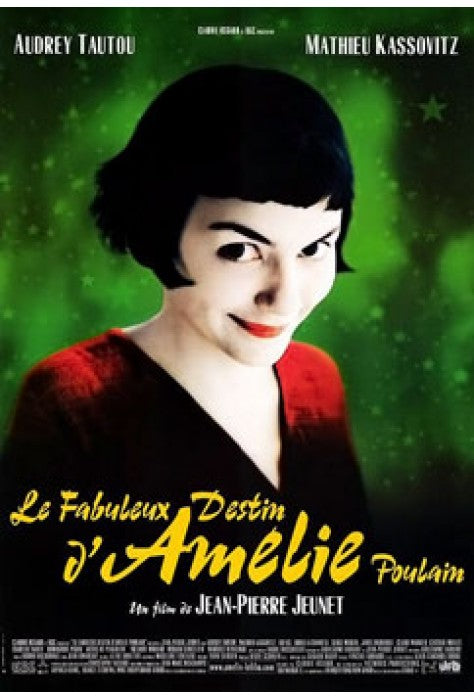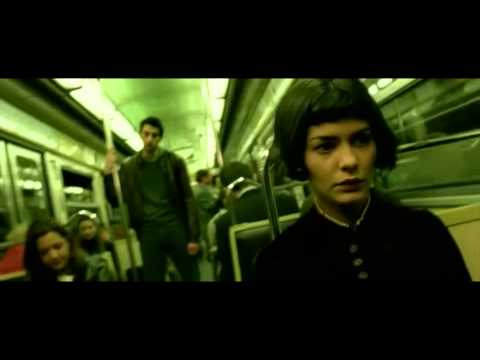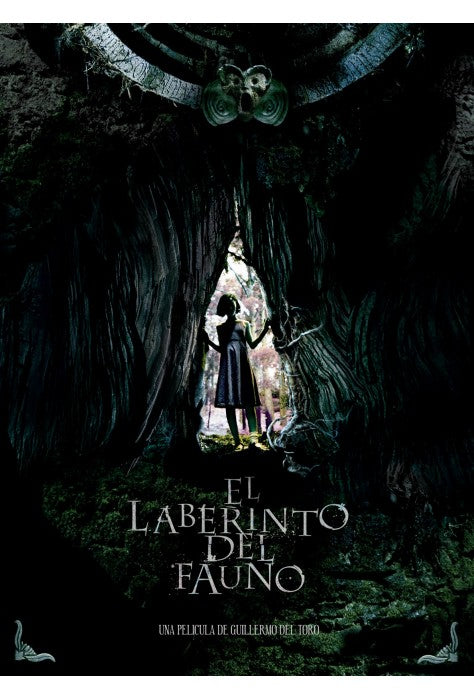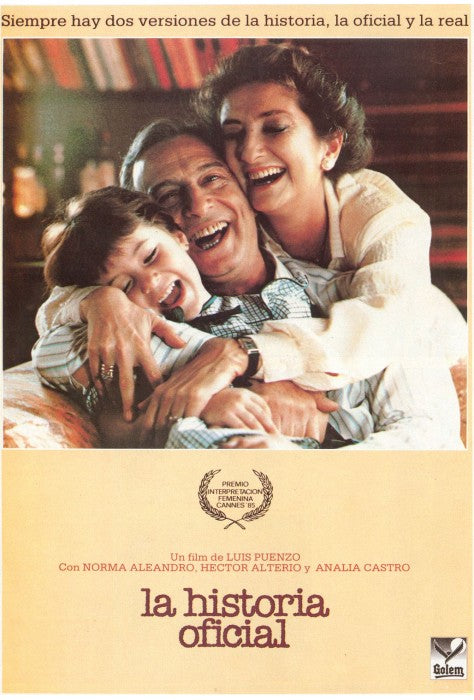
Two Students. Same Scene. Completely Different Answers.
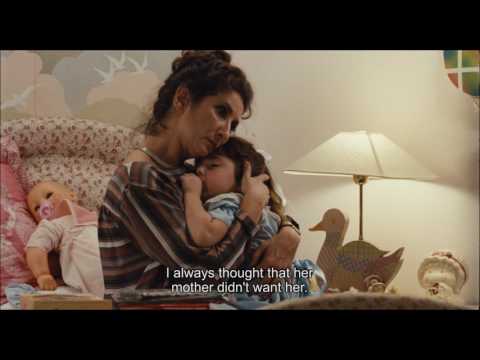
You pause the film. A tense exchange just happened — two characters, overlapping dialogue, one of them walking away. You ask: "What did he say? What did she mean?"
Three students say one thing. Four say another. Someone in the back says both of them are wrong. And you have about thirty seconds before this either becomes a real discussion or degenerates into a debate about subtitles.
Most teachers treat this moment as a problem. It is not. It is the most productive thing that will happen in your classroom this week.
Why Interpretation Gaps Happen — And Why They Matter
The research on listening comprehension has been unambiguous for decades: listeners do not passively receive language, they construct meaning from it. Krashen's input hypothesis establishes that comprehensible input is necessary for acquisition — but what counts as comprehensible depends on what the listener already brings to the text. Schema, emotional state, prior vocabulary, phonological patterns they've heard before. Two students at the same proficiency level can encounter the same utterance and construct genuinely different interpretations.
This is not a failure of instruction. It is the normal operation of the acquisition process.
When you play a scene and get divergent readings from your class, what you are actually seeing is a real-time map of where your students are. Some caught the verb. Some caught the tone. Some understood the words and missed the pragmatic implication. Some caught the cultural subtext and invented the vocabulary. Schmidt's noticing hypothesis tells us that items must be noticed — consciously registered — to be acquired. The interpretation gap is the exact moment when noticing is happening, loudly, out loud, in the target language.
The problem is most teachers panic and correct the record. They give the “right answer” and move on. And in doing so, they close the window just as it was opening.
The Three Types of Interpretation Gaps in Film
Not all disagreements are the same, and knowing the difference changes how you respond.
Lexical gaps
Students heard different words — or the same word and don't agree on what it means. “Did she say she was angry or afraid?” This is a vocabulary and phonology problem. It is useful because it surfaces exactly which words students are not yet reliably decoding. One semester I had a class split 14-to-9 on whether a character in a Spanish film said “seguro” or “oscuro.” We stopped and talked about it for eight minutes. Both groups were listening hard. Neither group was wrong about what they thought they heard. That eight minutes was better vocabulary instruction than any matching exercise I've ever designed.
Pragmatic gaps
Students agree on the words but not the meaning. “He said she was fine — so he believes her, right?” This is where cultural and pragmatic competence lives. Canale and Swain's model of communicative competence distinguishes between grammatical competence (knowing the forms) and sociolinguistic competence (knowing what they mean in context). Film is the only medium where you can show students what a sentence means as opposed to what it says — because the face is right there, the tone is there, the other character's reaction is there. A pragmatic gap in your class is a direct map of where students' sociolinguistic competence has not yet caught up with their grammar.
Cultural gaps
Students understand the language but are reading the scene through the wrong cultural frame. “Why is she being so rude?” (She isn't — that's direct communication in that context.) “Why doesn't he just say what he means?” (He is. That's what it sounds like.) These moments are pedagogical gold, and they cannot be manufactured. The question “what do you think he meant?” often reveals that students are doing accurate linguistic decoding and cultural misreading simultaneously — which means their language is working and their cultural competence needs building. That is a very different problem than not knowing vocabulary, and it gets a different response.
What to Actually Do When the Gap Opens
I have made every mistake here. I have given the answer too fast. I have let the debate run so long that the bell rang and we never got to the output task. I have let the one confident student override the others who were actually right. Here is what actually works.
Name the type of disagreement first. “You both understood different words — let's go back and listen for the specific sound.” Versus: “You understood the same words but interpreted them differently — tell me what in the scene made you read it that way.” The first is a listening task. The second is a comprehension task. They require different scaffolding and different follow-up.
Make students argue for their interpretation in the target language. Not “I think he said X” — that's passive. “I think he said X because [evidence from the scene].” Swain's output hypothesis is clear: pushed output — language production that requires precision and negotiation — drives acquisition in ways that input alone cannot. When a student has to explain why they heard something, in the target language, against the resistance of a classmate who heard something else, they are producing exactly the kind of pushed output that consolidates form-meaning mappings.
Play the scene again after the argument, not before. This is the move most teachers get backwards. You replay before the discussion, which short-circuits the noticing. Play it after — after students have committed to a position, after they've argued it, after they have something at stake. The second viewing is incomparably richer. Students listen with intent. The form they were hunting for lights up when it arrives.
The Whole-Class Version
This works particularly well with scenes that have genuinely ambiguous emotional content — a character who might be lying, a conversation that might be sincere or ironic, a farewell that might be final or temporary. Before pressing play: “I want you to watch this scene and decide what you think [character] is really feeling. You are going to have to defend your reading.” After the scene: split the class by interpretation, literally have them stand on different sides of the room, and run a structured argument in the target language. When you replay the scene a second time, every student in that room is listening for something specific. That is Schmidt's noticing, at scale, self-organized.
The side of the room that was wrong, incidentally, learns more than the side that was right. Having a position disconfirmed by a second viewing with better listening attention is one of the most powerful moments in language acquisition I have ever seen in a classroom. You cannot manufacture that with a worksheet.
What to Do With the Correct Answer
Give it, eventually. But give it last, and give it in the target language, and make students produce a sentence that incorporates the correct form before they sit down. If the gap was lexical, they write the word in context. If it was pragmatic, they write what the character actually communicated versus what they said. If it was cultural, you do the harder work of explaining the frame — but now they have the emotional hook, the scene, the confusion, and the resolution all in one memory. Retention research consistently shows that emotionally salient contexts drive long-term recall. You have just given students a salient context they constructed themselves.
A Last Note for the Teacher Who Is Nervous About Losing Control
The version of this that goes off the rails is the version where you let disagreement become chaos because you are afraid to be the person who ends it. You are not abdicating your authority by letting students argue. You are using it purposefully. The structure — disagree, defend in the target language, replay, resolve — is your authority. Enforce it. The forty seconds where the room gets loud is not disorder. It is acquisition in progress.
If you are running a Spanish film unit and want a lesson plan that already has the structured interpretation tasks built in — so you do not have to design the argument scaffolding from scratch — the FilmArobics Spanish lesson plans include pre-built discussion and debate tasks at every stage of the film. The disagreement still happens. You just do not have to scramble for what to do when it does.