Ask a language teacher how they pick a film for class and you'll usually hear some version of: "I chose it because the language is clear," or "it's slow enough for them to follow," or — the one that makes researchers quietly wince — "it has a lot of dialogue."
These are not bad instincts. They're just answering the wrong question. Because the research on what actually makes a film work for language acquisition points somewhere else entirely.
The Criterion Teachers Reach for First (and Why It's Not the Whole Story)
Linguistic accessibility — how "clear" or "slow" or "simple" the target language is — matters, but it's probably the fourth or fifth most important criterion, not the first. Krashen's i+1 model tells us that input needs to be slightly above the learner's current level to drive acquisition: comprehensible enough to process, challenging enough to stretch. A film so simple that students understand every word without effort isn't generating acquisition — it's generating comprehension, which is different and less valuable.
More importantly, a film chosen primarily because the language is easy tends to be a film where nothing much is happening. And a film where nothing much is happening will not hold a room of fourteen-year-olds past the first twenty minutes, no matter how clearly the actors enunciate.
I learned this the hard way with a Spanish film I won't name here. Beautiful cinematography. Crystal-clear Castilian. Seventeen percent of my third period class was asleep by the fourth scene. The language was accessible. The stakes were not.
The Criterion That Actually Predicts Success: Narrative Drive
The single strongest predictor of whether a film will work in a language classroom is whether students genuinely want to know what happens next.
This sounds obvious, but it has a specific implication: the film needs to work as a film. Not as a teaching text. Not as a cultural document. As a story with stakes and momentum that creates the forward pull that keeps people watching.
The research basis for this is affective filter theory, but also something more specific: what some researchers call "narrative transportation." When viewers are absorbed in a story, cognitive resources that might otherwise be spent managing anxiety or boredom are freed up. In a 2014 study on narrative engagement and foreign language processing, learners who reported higher story engagement showed significantly better incidental vocabulary retention than those who found the narrative unengaging — even when both groups had equivalent proficiency levels and watched the same amount of material.
The story is doing the cognitive work. Your job is to get out of its way and build the right tasks around it.
Genre Matters More Than Language Level
Here's a more practical way to think about it: genre predicts engagement, and engagement predicts acquisition opportunity.
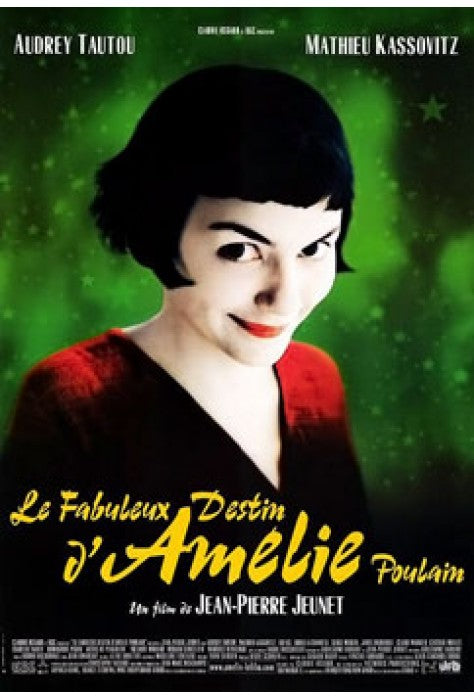
Comedies are tricky. Humor is deeply cultural and linguistically dense with wordplay, timing, and register shifts that are hard to scaffold. Students laugh when they understand — which means a lot of not laughing, which means a lot of disengagement, which raises the affective filter.
Thrillers and dramas tend to work well, particularly when the central conflict is legible even without complete linguistic comprehension. A character is in danger, or in love, or facing a choice — students can track the emotional logic even when individual words escape them. That tracking is what keeps them watching. And while they're watching, they're acquiring.
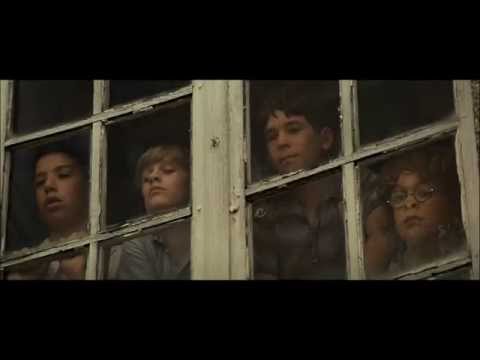
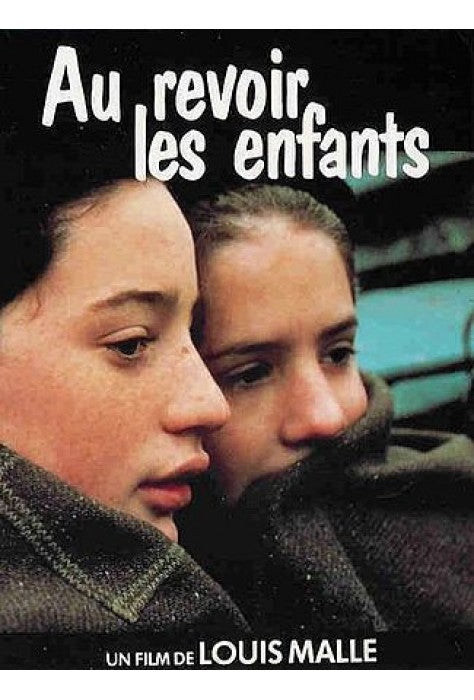
Family films and coming-of-age stories often hit a sweet spot in language classrooms, particularly for secondary students, because the stakes are emotionally recognizable: belonging, identity, family tension. Students aren't just watching; they're feeling something analogous. That emotional engagement is a delivery mechanism for language.
Cultural Density: The Hidden Variable
A film set in a culture that is entirely foreign to students creates a second cognitive task running alongside the language processing task: figuring out what is happening socially and culturally. This isn't always bad — cultural learning is part of why we use authentic film. But it can tip over into cognitive overload, particularly for lower-proficiency learners.
The sweet spot is a film with cultural specificity — it should feel like it comes from somewhere real — but with enough universal human content that students can locate themselves in the story without needing the cultural scaffolding to happen first.
Films about school, family, neighborhood, belonging, friendship. Films where the emotional logic is portable even if the cultural context is new. These are the films that work across proficiency levels and class compositions.
A Practical Checklist Before You Commit
Before you build a unit around a film, run it through these four questions:
1. Would I watch this for pleasure? If the answer is no, your students can tell. Teachers who are bored by a film cannot hide it for two weeks.
2. Is there a scene in the first fifteen minutes that creates genuine tension or emotional stakes? That's your hook. If the film takes forty minutes to get interesting, you'll lose the room before it arrives.
3. Can I describe the central conflict in one sentence without explaining any cultural context first? If yes, the narrative is doing the work. If you need two paragraphs of setup, the film may be creating more scaffolding burden than it's worth.
4. Are there scenes where characters want something, disagree about something, or have to make a hard choice? This is where the language lives. Exposition is rarely the rich linguistic material teachers imagine it is. Conflict is.
The Language Comes From the Story
The films that produce the richest language lessons are almost never the ones teachers chose for their language. They're the ones that got students so absorbed in a story that the language became invisible — which is exactly when acquisition happens fastest.
Choose the story first. Build the language work around what the story gives you. The vocabulary, the grammar structures, the pragmatic patterns — they're all in there. A good film-based lesson plan helps you surface them without having to start from scratch.
If you're looking for ready-built lesson plans organized around films that have already been curated and tested — pre-film, during-film, and post-film work across 14 sections — the FilmArobics French collection is a strong place to start. Browse it at filmarobics.com/collections/french.