It happens in the middle of class, which is the only time these things happen.
You're explaining something — maybe the preterite, maybe a vocabulary word, maybe how to pronounce a regional place name — and a hand goes up. Not a question-hand. An I-know-better hand. And then a student who speaks Spanish at home, whose abuela calls every Sunday, whose cousins don't know any English, tells you — politely but unmistakably — that you're wrong.
Some teachers freeze. Some deflect. Some get defensive in ways they later regret. Most of us have had this moment and not had a clean answer for it.
So let's talk about it, because the linguistic reality here is more interesting than the social awkwardness — and understanding it will make you a better teacher and a more credible one.
First: What the Research Actually Says About Native Speakers and Correctness
There is no such thing as a single correct Spanish, French, German, or Italian. Every linguist who has ever worked on language variation has said some version of this, and Krashen's entire framework for comprehensible input is built on the recognition that learners acquire the language they're exposed to — not an idealized standard form that exists nowhere in the world.
Spanish alone has more than twenty national varieties, each with regional sub-varieties, each with class and age and register variation within those. What a native speaker from Bogotá considers standard differs from what a speaker from Mexico City considers standard, which differs from what a speaker from Buenos Aires considers standard. There is no neutral.
Labov's work on vernacular language and prestige, and Corder's research on error analysis and interlanguage, both point to the same thing: the concept of "correctness" in language is a social and political judgment, not a linguistic one. A teacher who understands this is not defenseless — they're actually better equipped than a teacher who doubles down on a textbook authority that never existed.
This doesn't mean anything goes. It means you need to know what you're teaching and why — and be able to say so.
What's Actually Happening in the Room
The student correcting you is almost certainly not being malicious. Heritage language learners are in a genuinely strange position in most classrooms. They often understand more than they can produce formally. They carry the language in a way that textbook learners don't, but they may not have the metalanguage — the vocabulary to talk about what they know. And they've often spent their school careers being told that the language they speak at home is wrong.
So when a heritage speaker raises their hand to correct you, a few things might be happening simultaneously: they actually know something you don't about a regional form; they're testing whether you'll respect their linguistic authority; they're doing what any student does when they think the teacher has made a mistake; or some combination of all three.
I had a student named Miguel whose family was from Oaxaca. First week of school, every class. He would wait — and I could see him waiting — for a moment where he could demonstrate that his Spanish was more real than mine. Which, in some ways, it absolutely was. He knew things about Oaxacan Spanish that I had never encountered in my training. He also had gaps in formal register that the class needed to work on.
The breakthrough happened not when I out-argued him, but when I made room for both things to be true at the same time.
The Actual Answer to Give in the Moment
Here is language that works:
"That's a real regional form — you're right that speakers in [region] say it that way. In this class, we're working with Latin American standard Spanish, which uses [form]. Both are correct in their contexts. What we're building toward is being able to move between them."
This does several things at once. It validates the student's knowledge without conceding the classroom standard. It names what you're teaching and why. And it frames code-switching and register flexibility — which are real and valuable language skills — as the goal, not a consolation prize.
The students who speak the language at home often become the most useful resource in the room once you've established this frame. They have the lived input. You have the metalanguage and the structure. A classroom that uses both is doing something genuinely better than either alone.
What Film Does for This Problem
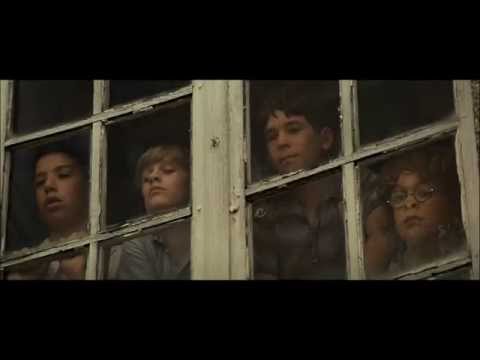
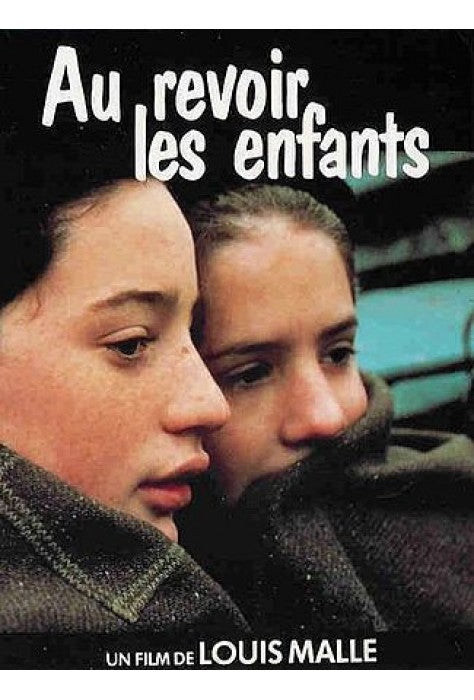
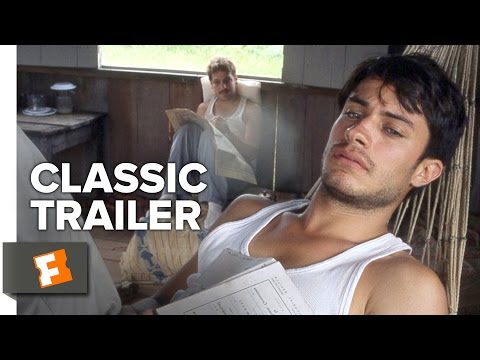
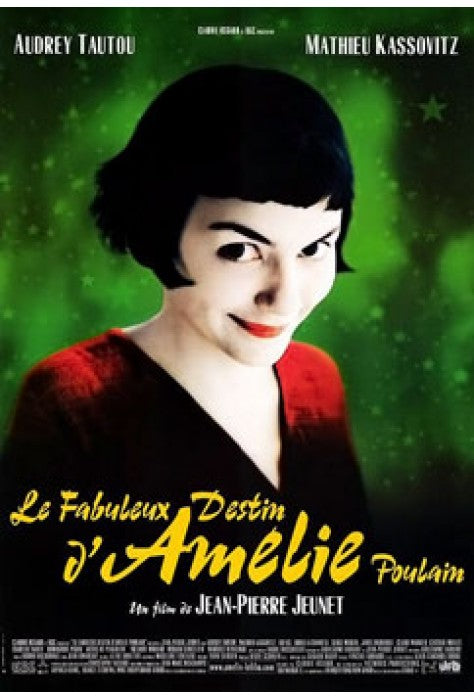
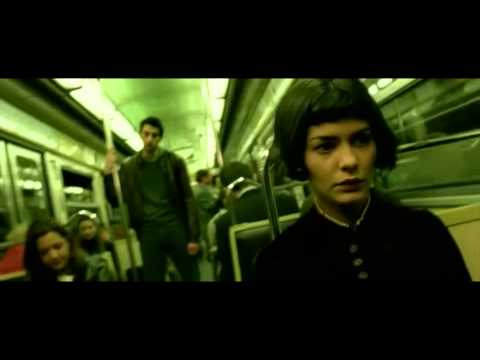
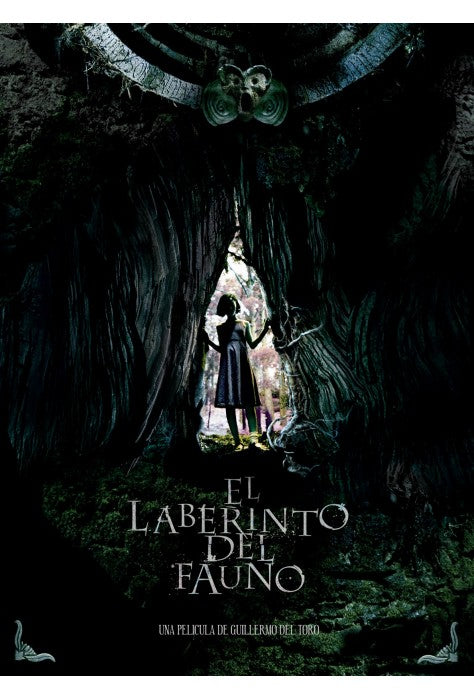
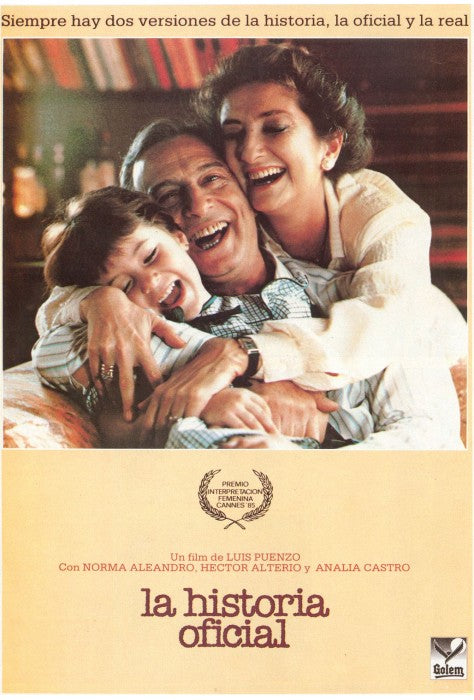
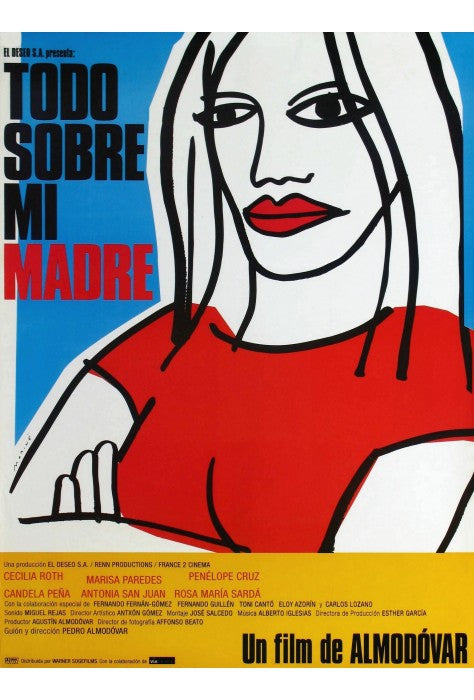
Film is the best tool you have for making linguistic variation visible and legitimate in the classroom — not as an exception to the rule, but as the reality of how language actually works.
When students hear Spanish from a Mexico City film and then from an Argentinian film in the same unit, something happens that no amount of explanation can produce: they hear the variation. The vowel sounds, the rhythm, the vocabulary choices. The research on input-based acquisition — Krashen's i+1, VanPatten's processing instruction — supports what any teacher with good instincts already knows: you can't tell students about language variation and expect it to land. They have to encounter it.
Film makes variation concrete. It also provides the affective anchor that makes the variation memorable. A student who heard a word pronounced a particular way in a scene they cared about — a tense scene, a funny scene, a scene where they understood exactly what was at stake — will retain that phonological information in a way that a pronunciation drill never produces.
More specifically: when a heritage speaker sees their variety of Spanish represented on screen — their accent, their vocabulary, their grandmother's rhythms — the affective filter drops. They're no longer in an environment that has always graded their home language as insufficient. They're watching something real. That's when they learn.
The Underlying Question the Moment Forces
The student who corrects your accent is asking you, without quite asking it: Do you respect the language I actually speak?
The answer has to be yes — not as a gesture of accommodation, but because that language is linguistically legitimate. You don't have to pretend you know things you don't know. You do have to be clear about what you're teaching, why, and what counts as a difference versus an error in your classroom.
Swain's output hypothesis is useful here: pushed output — the moments when students have to produce language beyond what's comfortable — is where acquisition happens. The student who is pushed to code-switch, to recognize that their home variety and the classroom variety are both real and both have contexts, is doing exactly that kind of productive stretching. The correction moment, handled well, can become one of the most useful moments of the year.
Handled badly, it just confirms what too many heritage speakers already suspect: that school thinks they speak Spanish wrong.
A Note on What Not to Do
Do not try to out-expertise a heritage speaker on their own variety. You will lose, and you should. Do not dismiss regional forms as "slang" or "informal" — that's a value judgment that carries historical weight you probably don't want to invoke. Do not make it a debate. The student is right about something. Figure out what, say so, and move forward.
The goal is a classroom where Miguel's Oaxacan Spanish and your textbook standard are both in the room, both respected, and both being stretched. Film is one of the few tools that can hold that tension productively.
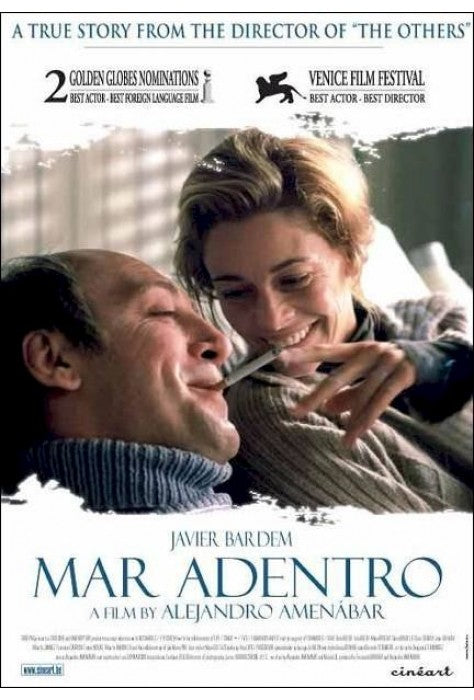
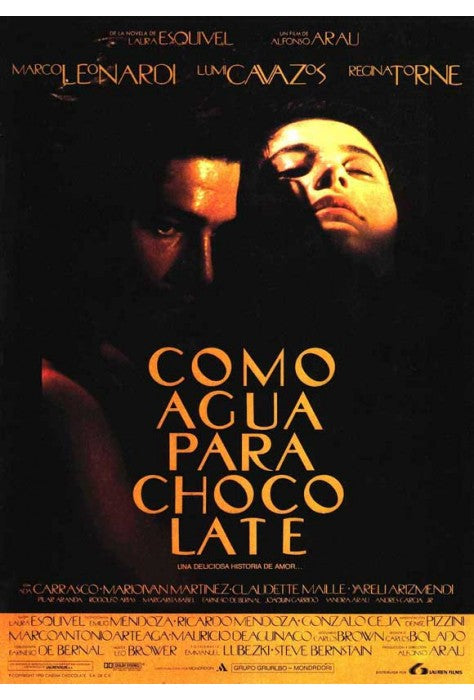
If you're looking for lesson plans built around Latin American Spanish films — structured to handle variation without flattening it — the FilmArobics Spanish line is designed for exactly this. Real films, real language, tasks that ask students to engage with what they're hearing — not just match it to a textbook answer. Worth a look, especially if you have a Miguel in period three.