
Ask most language teachers where the real learning happens during a film unit, and they'll point to the screen. The discussion after. The vocabulary worksheets. The reading comprehension check. And they're not wrong — all of that matters. But there's a phase that quietly determines whether any of it works, and it happens before anyone presses play.
Twenty minutes. That's usually all it takes. And when those twenty minutes are designed well, they change everything that follows.
Why the Brain Needs a Running Start
Stephen Krashen's concept of comprehensible input — the idea that we acquire language when we understand messages slightly beyond our current level — has one often-overlooked precondition: the learner has to be able to understand enough to get traction. Input that's too far out of reach isn't i+1. It's noise. The learner's brain shuts down not from lack of effort, but from lack of scaffolding.
A film without context is, for a language learner, mostly noise. Not because the film is too hard — but because the learner arrives cold. They don't know the setting, the character relationships, the register, or the emotional stakes. Their working memory is fully occupied trying to parse basic what-is-happening questions. There's no bandwidth left for acquisition.
Pre-film activation solves this. It gives the brain a frame to hang new language on. When learners encounter a word they've already seen — even once, even briefly — in the film's dialogue, it lands differently. It's familiar. Familiar input gets processed. Processed input gets acquired.
What "Pre-Film Activation" Actually Means in a Real Classroom
Here's what it doesn't mean: handing students a glossary and telling them to look up twenty words before tomorrow. That's homework, not activation, and it mostly doesn't happen.
Real pre-film activation is a short, focused sequence — usually 15 to 25 minutes — that does three things simultaneously. It builds vocabulary. It lowers anxiety. And it creates curiosity.
The vocabulary piece is obvious, but the anxiety piece is underrated. Adolescents are acutely self-conscious about not understanding. Sitting in front of a film in a second language, not knowing what's happening, is a genuinely uncomfortable experience for many students. They disengage. They watch their phones. They wait for it to be over. But if they've already encountered the key words, if they have a rough sense of who these characters are and what the story is about, the film becomes approachable. They're not drowning — they're following along. That shift in emotional state is exactly what Krashen calls lowering the affective filter, and it's the difference between a student who's trying and a student who's checked out.
Three Pre-Film Approaches That Actually Hold the Room
1. The Image and Predict
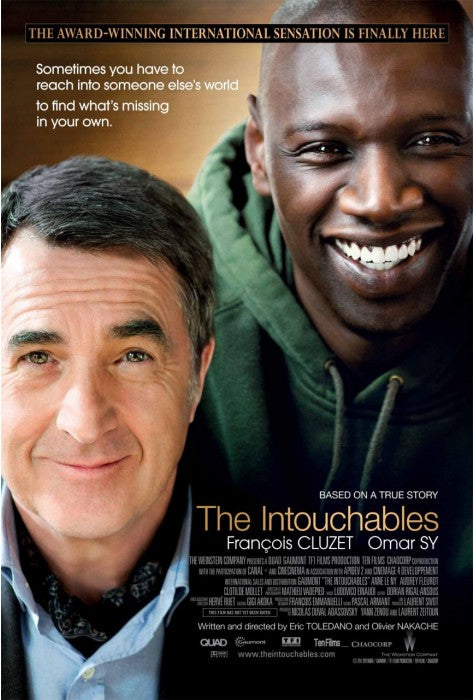
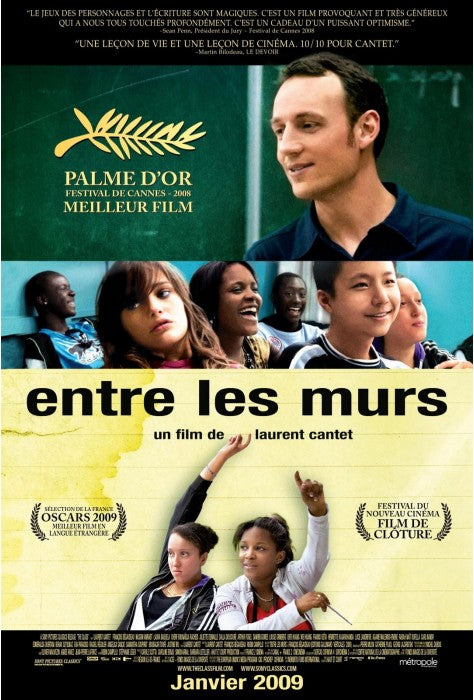
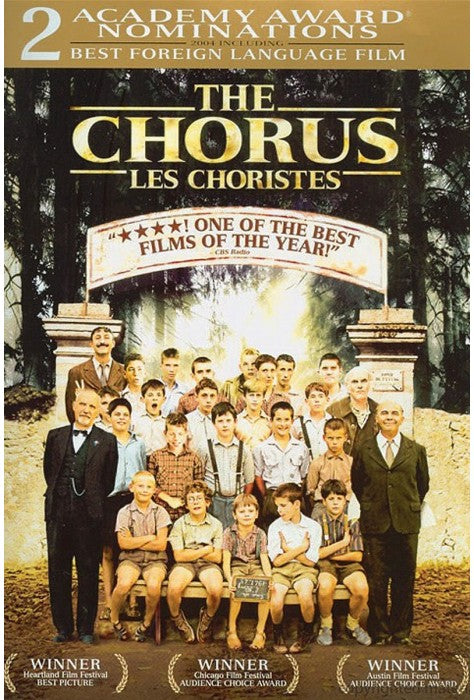
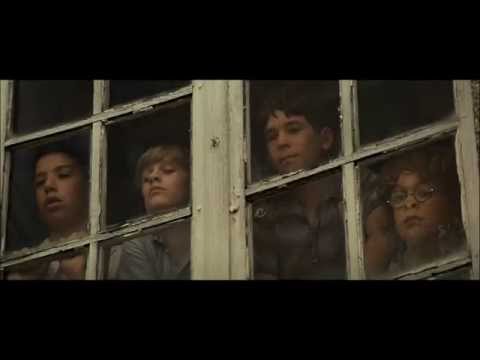
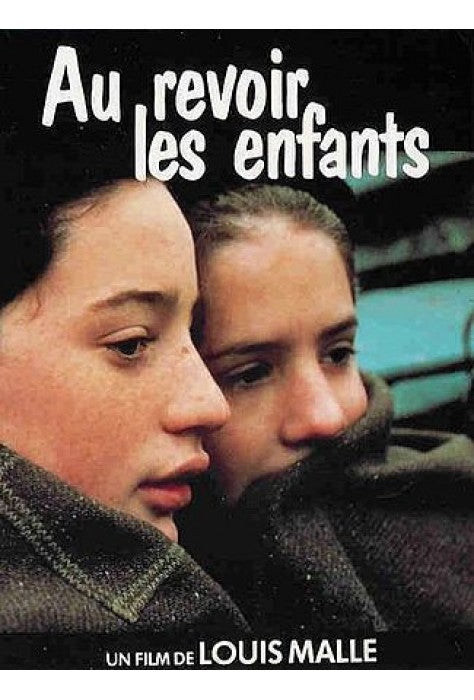
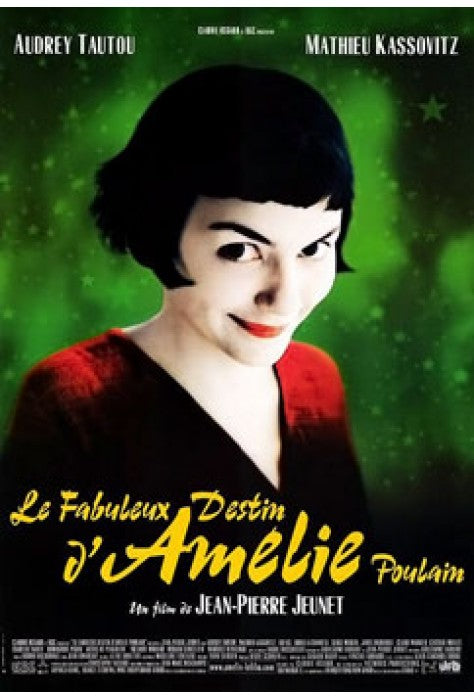
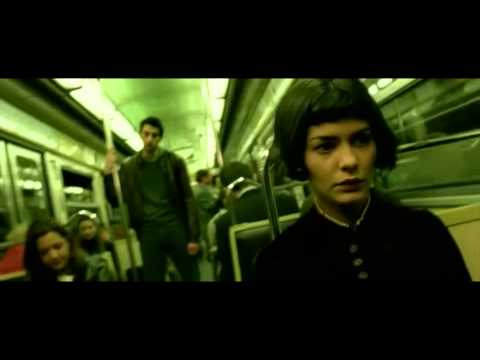
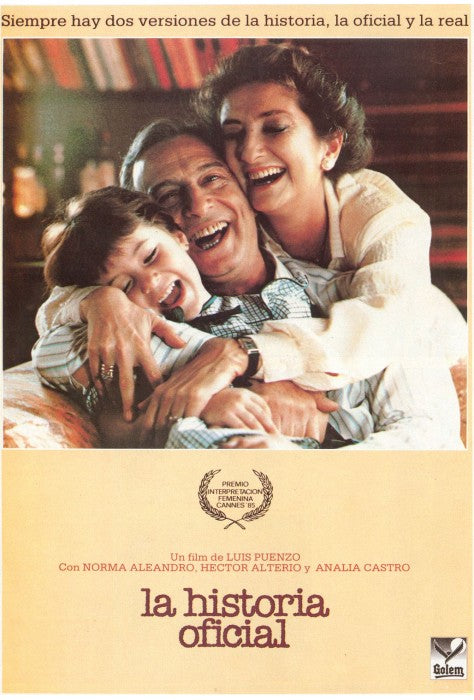
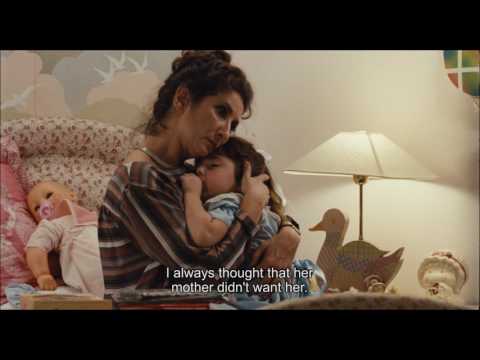
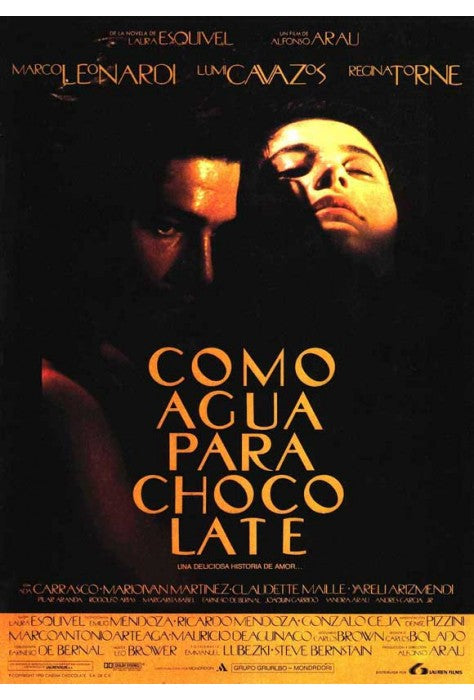
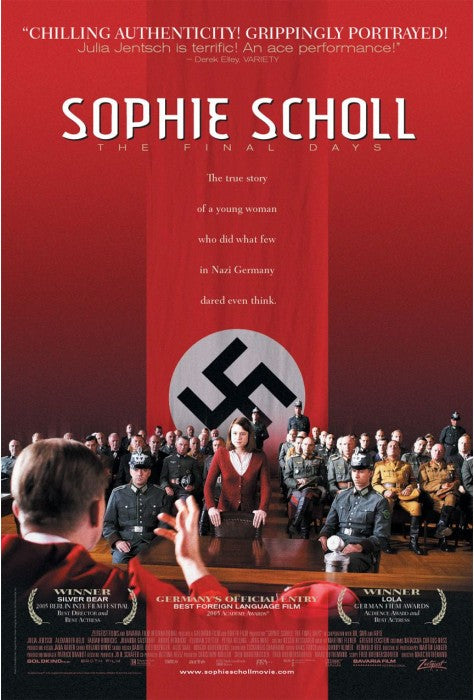
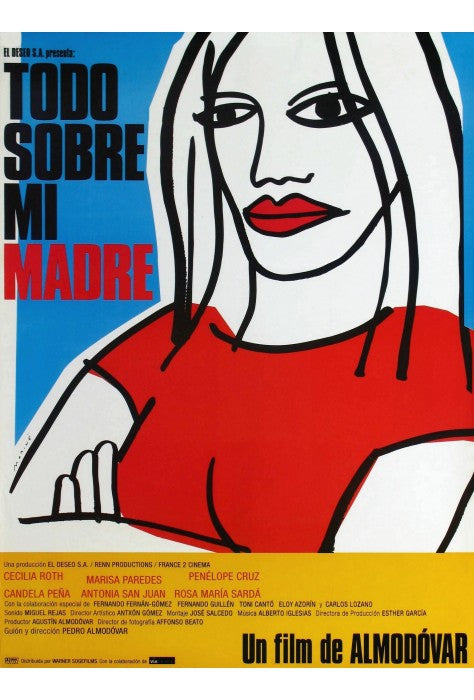
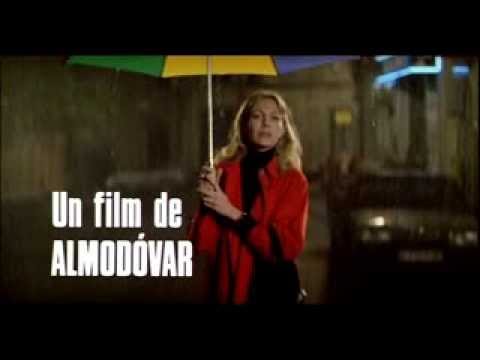
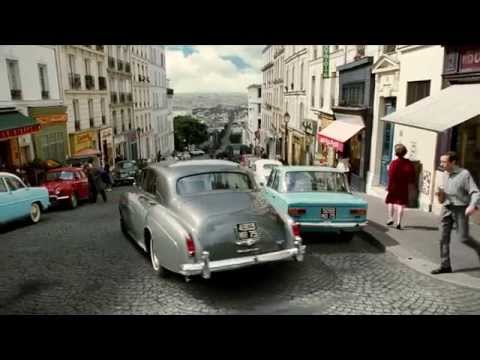
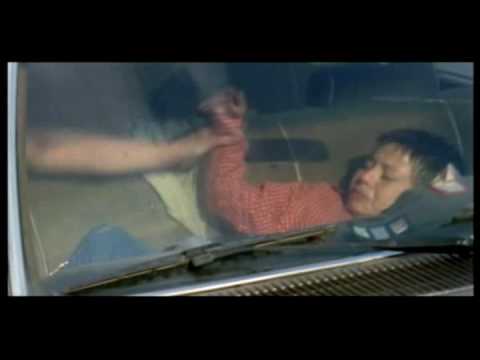
Show students three or four production stills or promotional images from the film — nothing that spoils plot, just images that establish world, tone, and character. Ask them to predict: Who are these people? What's their relationship? Where is this? What language are they probably speaking to each other?
This works for two reasons. First, students are generating hypotheses in the target language, which activates prior knowledge. Second, they become invested in finding out whether they were right. Curiosity is a stronger motivator than most teachers give it credit for.
With a class that's resistant or low-energy, lead with images that are slightly mysterious or emotionally striking. A tense look between two characters. A shot that suggests something has just gone wrong. Don't explain — let them wonder.
2. The Vocabulary-in-Context Drop
Rather than a list, present key vocabulary in short, contextual bursts: a two-line exchange from the film, a brief scene description, a newspaper-style headline from the film's world. Students encounter the word in a sentence that implies its meaning, not as a definition to memorize.
This mirrors natural acquisition — we learn most words by encountering them in context, not by looking them up. It also means that when students hear the word in the film 20 minutes later, they've already met it twice. That second encounter is the one that sticks.
Five to eight words is the right volume. More than that and you're doing a vocabulary lesson, not a warm-up. The goal is to prime, not to pre-teach everything.
3. The Cultural or Emotional Frame
For films set in another country, another era, or another social world, give students one concrete fact — not a lecture, just one thing — that unlocks the story's logic. A brief explanation of a social dynamic. A geographical or historical note. An emotional prompt: Think of a time you had to make a choice you knew was going to disappoint someone who trusted you. Hold that feeling. This film is about that.
That last type of frame is particularly powerful with adolescents. It makes the film's emotional stakes personal before a single frame has played. Students who feel connected to a story pay attention in a fundamentally different way than students who are waiting to see what happens.
The Sequence Matters More Than the Activity
The best pre-film activations aren't one thing — they're a short sequence. Image → vocabulary → frame, or frame → vocabulary → prediction. The order creates momentum. Students arrive at the film warmed up, curious, and holding three or four key words in their heads that the film is about to reinforce.
Research on vocabulary acquisition consistently shows that the most powerful learning happens when new language is encountered multiple times in varied contexts. The pre-film sequence is the first encounter. The film itself is the second. The post-film work is the third. That's input-based acquisition working exactly as designed — students haven't studied the film's vocabulary, but by the end of the unit, they own it.
A Note on Pacing
Twenty minutes is a guideline, not a law. If the class is already engaged and the energy is good, fifteen is fine. If the film is culturally distant and the students are visibly uncertain, push to twenty-five. What you're reading is the affective temperature of the room — you want students leaning forward slightly before you press play, not slumped back.
If they're asking questions about the film before you've introduced it — wait, is that set in Mexico? Is that Spanish or Portuguese? — that's your signal. The pre-film work has done its job. Let the film run.
Don't Skip This
In a compressed schedule, the pre-film activity is often the first thing to go. There's pressure to get to the content, to cover the film, to move on. Resist that pressure. The twenty minutes you spend here return dividends across every subsequent session. The film will land harder. The vocabulary will stick better. The discussions will have more to work with.
The screen is not where language learning begins. It begins here — in the warm-up, in the frame, in the moment students realize they already have something to hold onto.
If you're looking for a ready-made unit that builds this kind of structured pre-film activation in from the start, our lesson plans are designed exactly this way — vocabulary priming, cultural framing, and discussion scaffolding before a single scene plays. Browse the full catalog at filmarobics.com/collections/all.