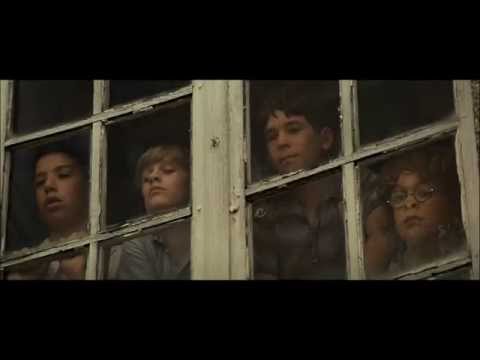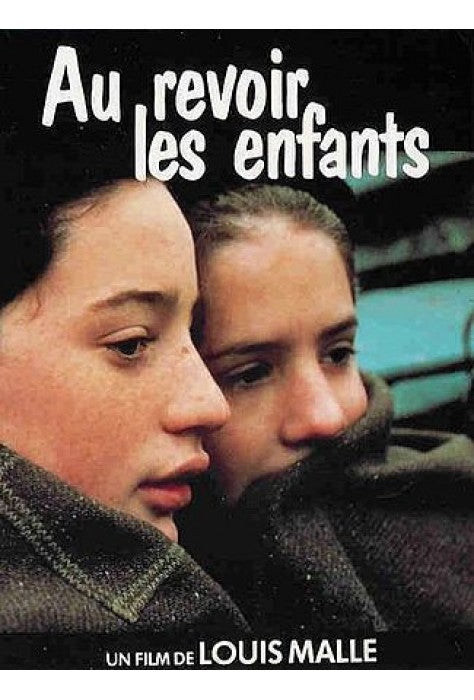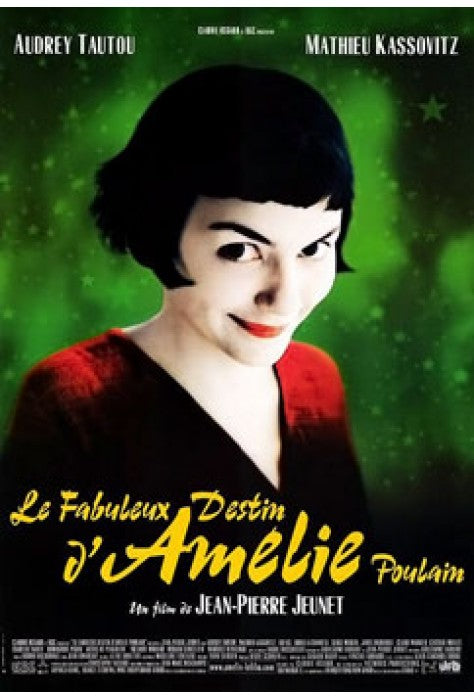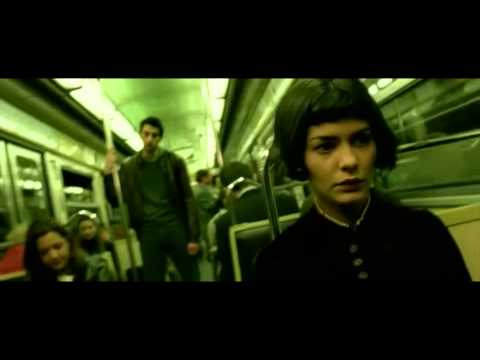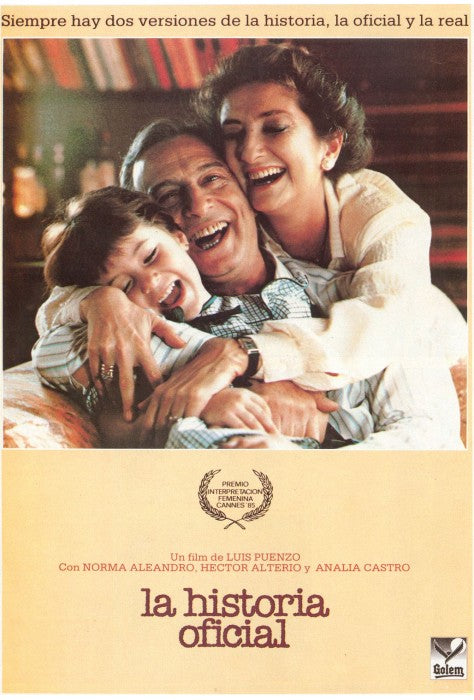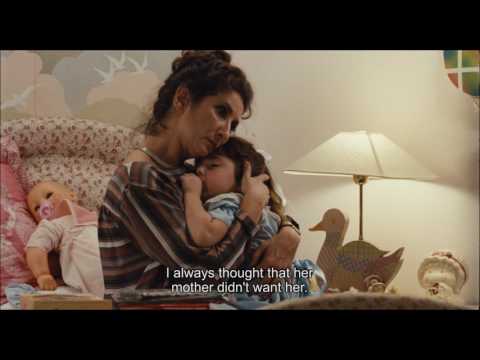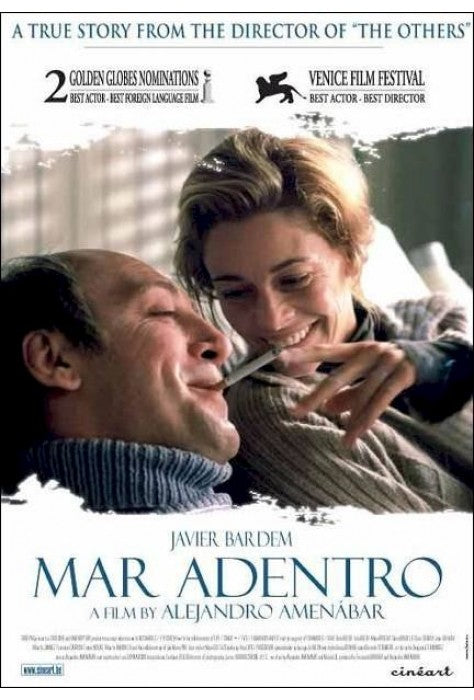
Every language teacher knows the oral presentation problem. You assign it because ACTFL says presentational communication matters. You scaffold it because you've been burned before. You watch your students stand at the front of the room and read, word-for-word, from a notecard they wrote in English and translated the night before. Someone says en conclusion with a pronunciation that suggests they've never heard the word spoken aloud. You give it a B+ and wonder why you bother.
The presentational speaking task is theoretically one of the most important things we do in a language classroom. In practice, for most secondary teachers, it produces some of the least authentic language use they ever see from their students. There's a reason for that — and film, structured correctly, is one of the few tools that actually fixes it.
Why Presentational Tasks Fail
The research on output in second language acquisition is nuanced in ways that classroom practice often isn't. Merrill Swain's Output Hypothesis — that learners need to produce language, not just receive it, to fully acquire it — is frequently invoked to justify oral presentations. But Swain's argument was specifically about pushed output: production that challenges learners to use language they couldn't quite reach in purely receptive tasks. A rehearsed, translated monologue does not push output. It produces performance anxiety and pre-fabricated chunks.
The deeper problem is what researchers call topic unfamiliarity. When students don't have enough to say about a subject — not enough ideas, not enough emotional investment, not enough shared context with the audience — they compensate by over-relying on L1 thought patterns translated into L2 form. The language becomes a costume over English thinking. That's not acquisition. That's theater.
Krashen would say the affective filter is running the whole show at this point. The student is performing for a grade in front of peers who will remember what they said, in a language they don't fully control, on a topic they didn't choose. Every condition that raises the filter is present simultaneously. The language shuts down.
What Film Changes
Here is what's different when a student speaks about a film they've just watched together as a class: they have something to say. Not something they were assigned to have an opinion about — something they actually saw happen, with people they watched make choices, in a situation that had stakes they understood.
This matters more than it sounds. The research on task-based language teaching is consistent on one point: when learners have genuine informational content to convey — when the task is about transferring real meaning, not demonstrating linguistic form — the quality of output improves. Not because the students are trying harder. Because the cognitive load is differently distributed. They're not simultaneously constructing meaning and constructing sentences. The meaning is already there. The language has to carry it.
Film also creates what researchers call a shared information state — everyone in the room saw the same thing. This is the condition that makes real argument possible. Students can disagree. They can point to specific moments. They can say "but remember when she said —" and the class knows exactly what they mean. That is the conversational structure of actual human communication, and it is almost impossible to manufacture with a textbook prompt.
Four Presentational Tasks That Actually Work
The Character Defense
One student is assigned a character from the film. Their job: defend every major decision that character made. The class can challenge. This works because students immediately have content — they watched the character, they have opinions, they want to say something. The language requirement becomes a vehicle for an argument they're already having in their head. I've seen this run for 25 minutes with a class that couldn't sustain 4 minutes of structured discussion the week before.
The Director's Commentary
Students watch a 2–3 minute clip without sound and narrate what is happening in the target language, then explain why they think the director made those choices. This generates a particular kind of speculative language — quizás, tal vez, parece que — that is almost impossible to elicit from a prepared script. The uncertainty is built into the task, so the hedging language becomes necessary rather than performative.
The Sequel Pitch
Students have five minutes to pitch what happens next. They have to establish where the story goes, justify it with what they know about the characters, and persuade the class it's the right call. This generates future tense, conditional structures, and argumentative discourse markers — all in context, all in service of something the student actually wants to say.
The Cultural Explainer
One of the most powerful, and the one that connects hardest to what the research recommends: students explain a cultural moment from the film to an imagined audience that doesn't share the cultural background. "In this scene, the family is reacting this way because —." This requires synthesis, perspective-taking, and the kind of metalinguistic cultural knowledge that sits at the top of ACTFL's proficiency descriptors. It also produces some of the most authentic language use you will ever witness from intermediate students, because they care about being understood.
The Structural Principle Behind All Four
The research on pushed output converges on a principle that the standard oral presentation format violates almost completely: genuine communicative tasks require genuine informational asymmetry. Someone has to know something the audience doesn't. When the class watched the same film, the asymmetry comes from interpretation, argument, and perspective — not from the fiction that one student knows something nobody else does.
That's what these four tasks share. They don't ask students to report information. They ask students to take a position, make a case, or explain something they saw differently than someone else did. That's the condition under which language actually gets used — not demonstrated, used.
The secondary benefit, and it's not small: students will remember the film conversation long after they've forgotten the grammar point from the same week. Emotional salience in memory formation is well-established in cognitive research. The argument your class had in French about whether the protagonist made the right call is going to be more durable than the passé composé drill you ran two periods earlier. That's not an accident. That's the mechanism.
The Day-After Structure
One more thing worth flagging: post-film speaking tasks work better the day after the film than immediately after. Students need processing time. If you run the task the next class period, something has happened overnight — they've thought about it, maybe talked about it outside of class, had a reaction consolidate. The language they reach for the next day is better organized and more genuinely their own.
This is not a minor scheduling note. It's an acquisition insight. The consolidation gap is real, and building it into your film unit structure pays off in the quality of what students can say when you come back to it.
If you're teaching French and looking for a film unit structure where the presentational tasks are already built into the lesson sequence — pre-film, during-film, and post-film, all 14 sections of it — the FilmArobics French catalog has lesson plans designed exactly for this. The speaking tasks are already scaffolded, and the film selection is already made. You just have to run it.