
Reading in a foreign language feels different from reading in your native language. Native reading is automatic — the words arrive and meaning follows. Reading in a second language is work: vocabulary gaps, unknown grammar structures, sentences that have to be parsed rather than absorbed. The question for language teachers is how to make that work feel worth doing, because motivation is what determines whether a student actually reads or just moves their eyes across the page.
📬 Stay in the loop. New lessons added regularly — join the list to hear when your film is available.
Reading With a Purpose
FilmArobics lesson plans give students a reason to read. When a student has watched the first thirty minutes of María, llena eres de gracia and wants to understand the economic conditions in rural Colombia that put María on that plane, the background reading in the lesson plan is not assigned homework. It's an answer to a question the film already made them ask. That is a different kind of reading, and it produces a different kind of retention.
The lesson plans include reading material at multiple levels: cultural context notes for during-film reading, comprehension questions that require close reading of specific dialogue, and post-film readings that extend the film's themes into the real world. Students read about the Salvadoran Civil War, about undocumented immigration to Los Angeles, about the French New Wave, about Swiss German dialects — because they watched films that made those topics interesting.
Subtitle Reading
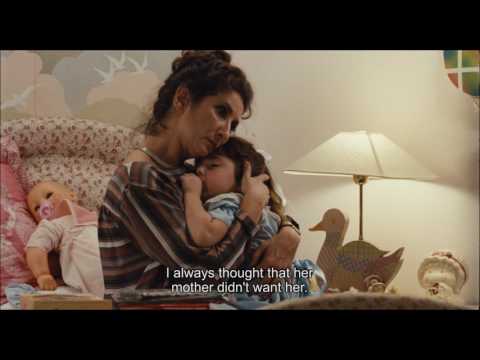
Subtitle reading is a skill that language teachers rarely address explicitly, and it's worth addressing. Students who read subtitles while listening to the audio are practicing simultaneous processing — catching words they know in the audio while their eyes handle the meaning they're missing. This is not cheating. It's a real competency, one that emerges naturally from repeated viewing and develops genuine reading fluency over time.
FilmArobics lesson plans are designed to work with subtitles in the target language during viewing. Native-language subtitles are used sparingly — for specific difficult scenes — because the goal is always to build target-language competence, not to make students comfortable.
Reading for Craft
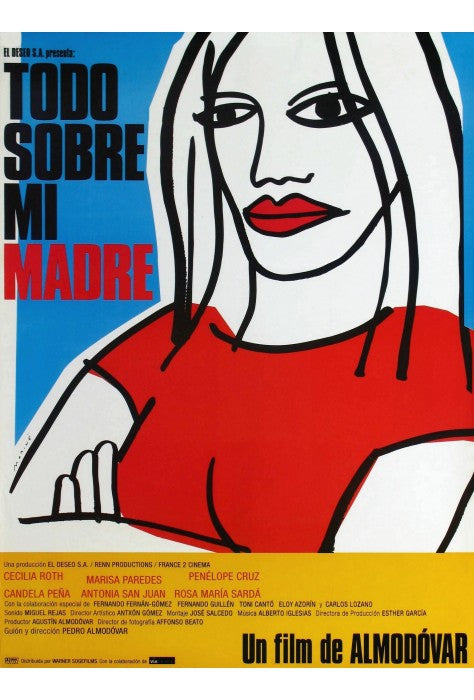
One thing film-based reading offers that textbook reading doesn't: students read dialogue that was written by a screenwriter who cared deeply about every word. The way Almodóvar's characters talk to each other, the specific Spanish Pepa uses when she's trying not to cry — that is reading material worth analyzing. "Why does she use the subjunctive here?" is a much more interesting question when "here" is a scene students have watched and cared about.
FilmArobics lesson plans include close reading of specific dialogue — usually one or two key exchanges from the film — with attention to grammar structures in context. Students who analyze why Godefroy's medieval French sounds wrong to modern ears are doing serious grammar work in a frame that makes the work feel meaningful.
Building Independent Readers
The goal of reading instruction in FilmArobics isn't comprehension of the film. It's the development of a student who can pick up a Spanish newspaper, or a French novel, and stay with it past the first difficult paragraph. Films build that resilience because they give readers the visual and emotional context to tolerate ambiguity. A student who doesn't catch every word but understands the scene is learning the most important reading skill there is: the ability to keep going.
The full FilmArobics catalog is at filmarobics.com.
📬 Stay in the loop. New lessons added regularly — join the list to hear when your film is available.
The student who reads the cultural notes because they want to understand the film better has already become a reader. That's the lesson plan doing its job.