
Listening is where language acquisition actually happens — and it's the skill that language classrooms are worst at developing. Not because teachers don't teach it, but because the audio in most classrooms isn't authentic. It's recorded. Slowed down. Optimized for clarity. The result is students who can follow a carefully produced language lab track and fail completely when a native speaker talks to them at normal speed with a regional accent and a bit of background noise.
📬 Stay in the loop. New lessons added regularly — join the list to hear when your film is available.
What Authentic Listening Sounds Like
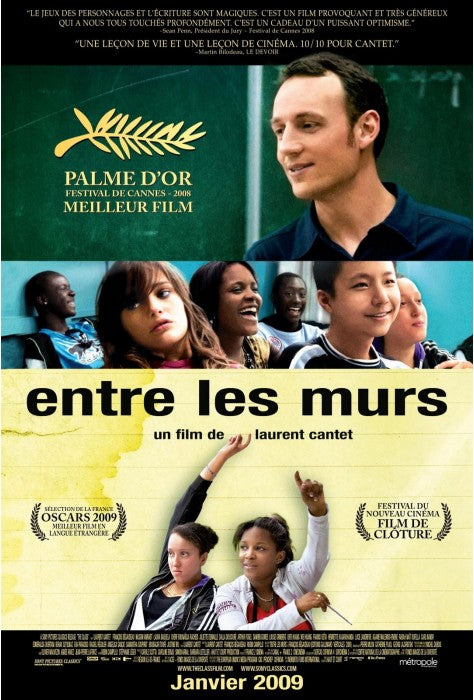
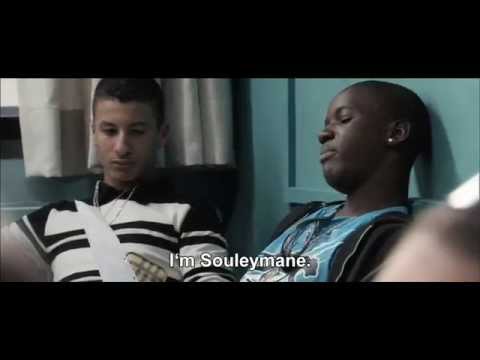
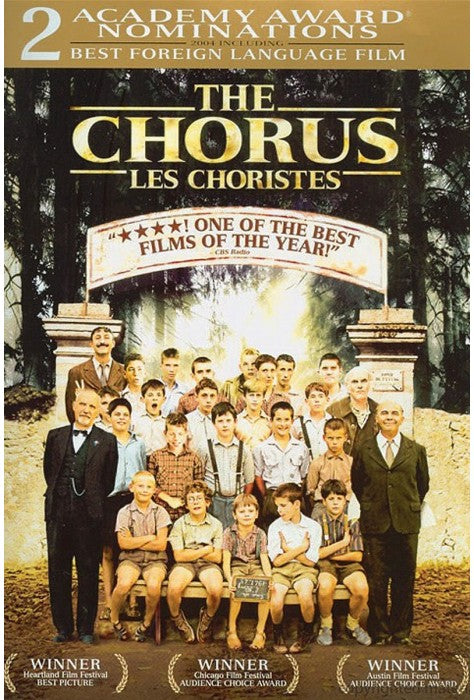
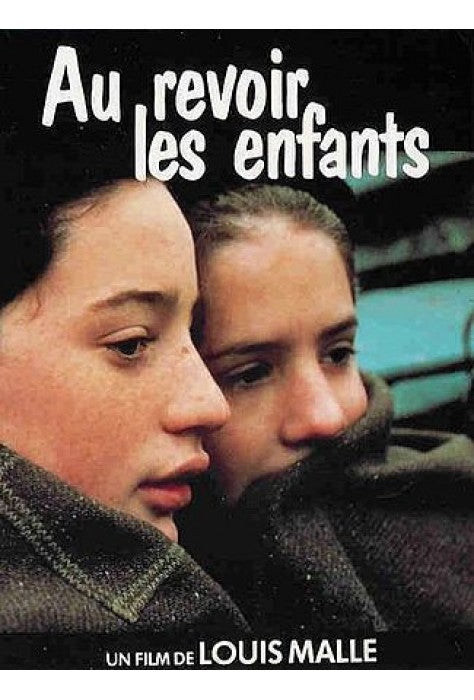
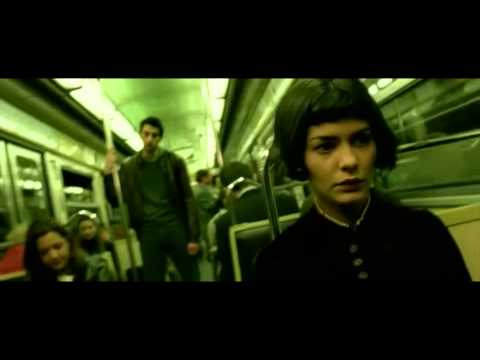
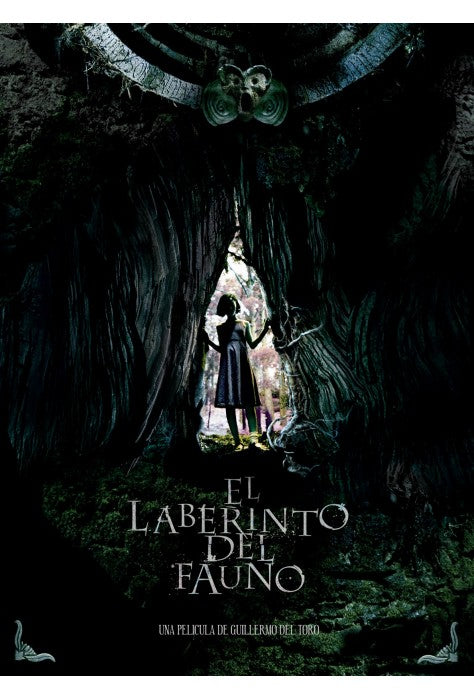
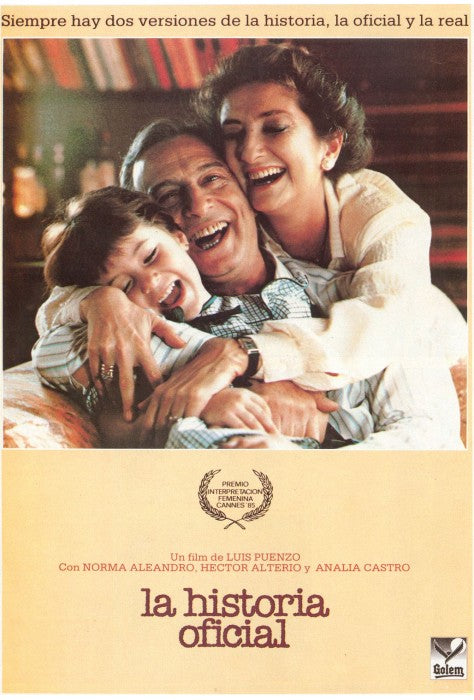
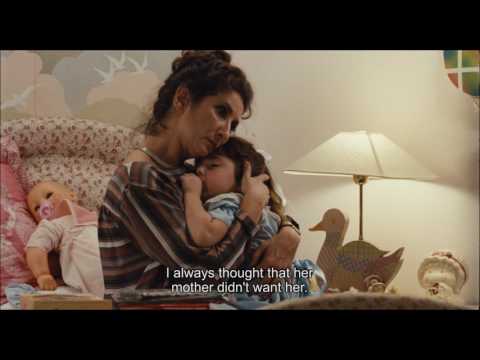
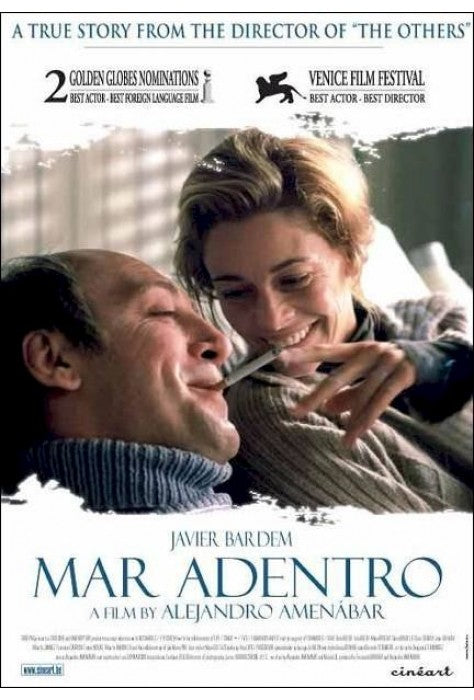
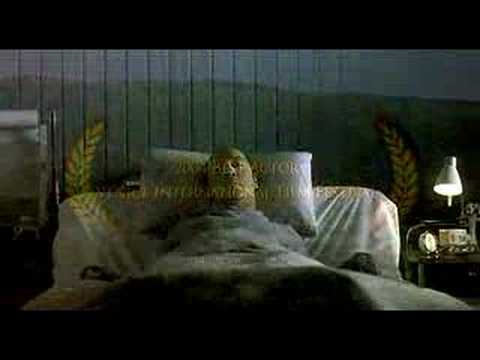
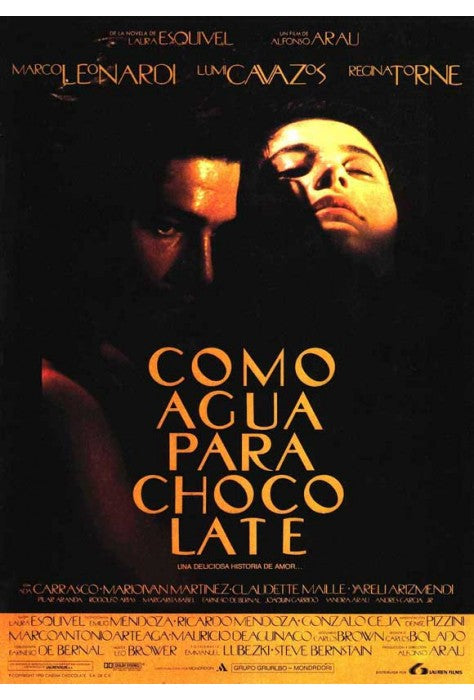
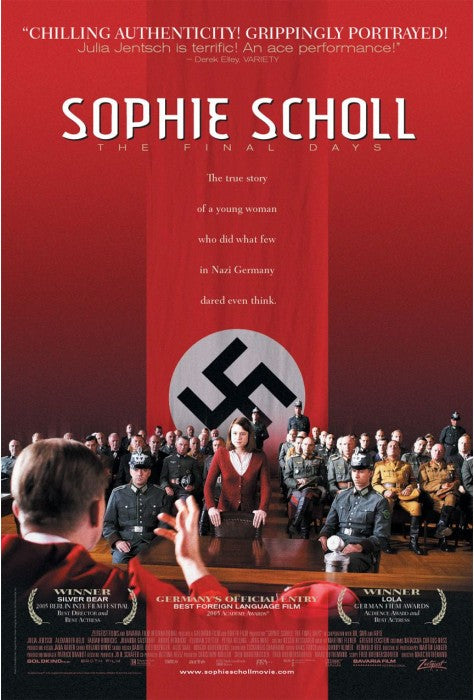
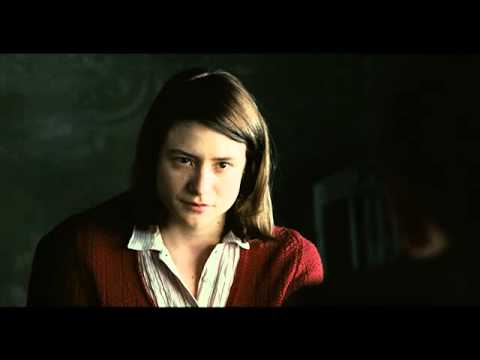
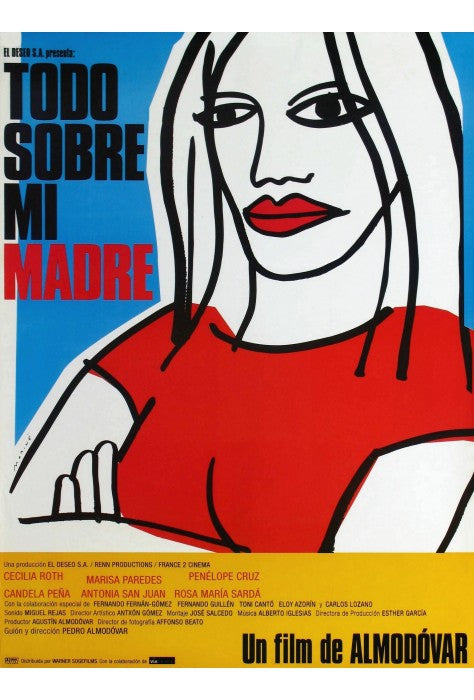
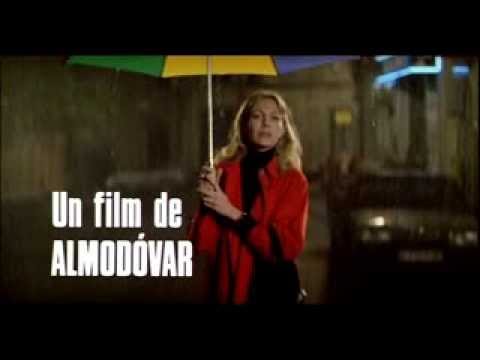
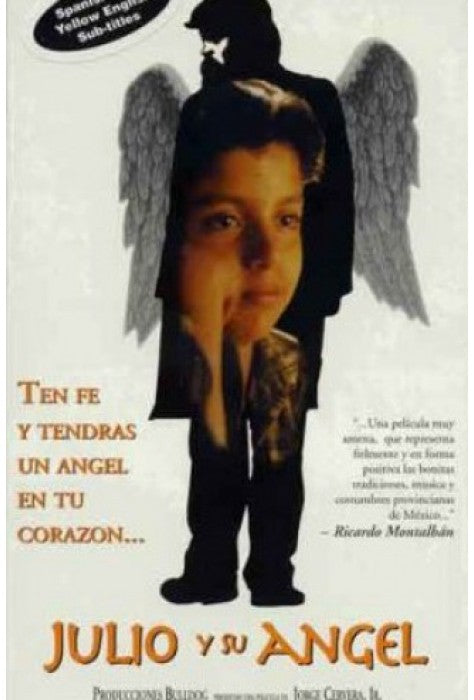
In a FilmArobics classroom, students hear the Spanish of a Salvadoran child trying to stay calm, or the French of an elderly painter talking to his daughter on a Sunday afternoon, or the German of a Swiss grandfather explaining a model plane to his grandson. None of these have been slowed down for learners. None have been optimized. They are the sounds of people using language for real purposes, under real conditions, and they are precisely what students need to hear.
The pedagogical case for authentic audio is strong and old: Krashen's input hypothesis, established forty years ago, argues that comprehensible input at the learner's level drives acquisition. Film provides that input with a crucial advantage: visual context. A student who can see the grandmother's face doesn't need to catch every word to understand that she's frightened. The image carries meaning that bridges the gap in listening competence.
How FilmArobics Lesson Plans Teach Listening
Every FilmArobics unit includes structured listening tasks. The structure matters: "watch the film and take notes" is not a listening task; it's an anxiety-producing instruction that tells students they need to catch everything. FilmArobics tasks narrow the focus: watch this scene and answer these three questions. The questions are designed to be answerable by students who catch the key exchanges — not by students who transcribe every word.
Listening tasks progress through the unit. Early tasks focus on gist: what is happening in this scene? Later tasks focus on detail: what exact word does the character use, and why is that word different from the word they could have used? Final tasks ask for inference: what does the character mean that they haven't said?
Regional Variety as a Feature, Not a Bug
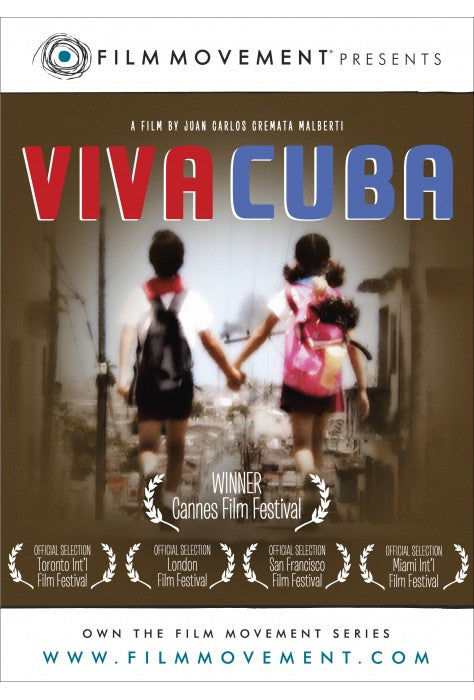
One of the most common mistakes in listening instruction is treating regional accent variation as a problem. Students hear a Cuban Spanish speaker and panic because it doesn't sound like their textbook. FilmArobics lesson plans treat this as what it is: a feature of the language, worth learning, full of information about the culture that speaks it. Students who have heard Salvadoran Spanish, Cuban Spanish, and Argentine Spanish in three different FilmArobics units know something real about the language's geography. Students who've only heard textbook Spanish know a fiction.
From Classroom to Real Conversation
The ultimate test of a listening curriculum is not whether students can answer comprehension questions about a film. It's whether they can understand a native speaker talking to them at normal speed. FilmArobics lesson plans don't promise that result after one unit — language acquisition takes time. But they build the right muscle: the tolerance for ambiguity, the ability to catch key words and build meaning from context, and the experience of succeeding at understanding something real.
The full FilmArobics catalog is at filmarobics.com. Each lesson plan includes structured listening tasks across every section of the unit.
📬 Stay in the loop. New lessons added regularly — join the list to hear when your film is available.
Students who learn to listen to film learn to listen to the world. That's the skill we're actually teaching.