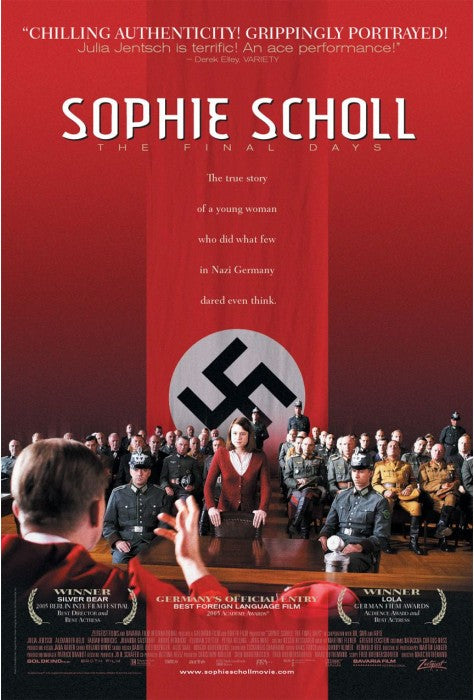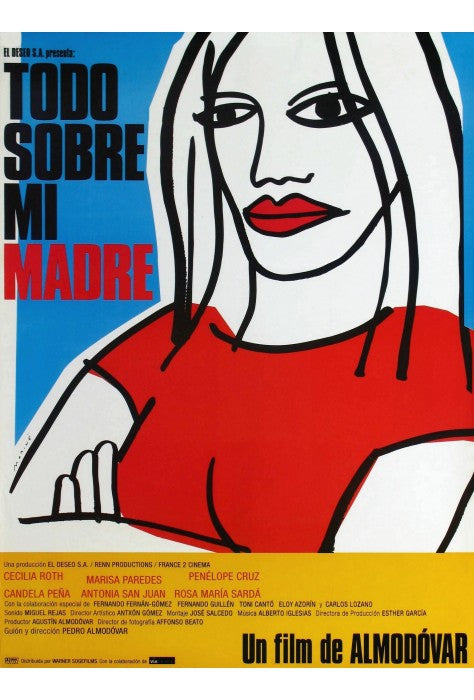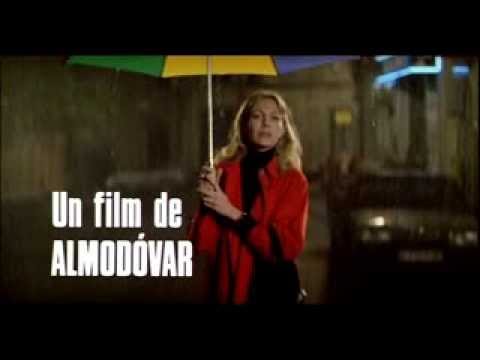
The first five minutes of class are not "settling time." They're the highest-stakes five minutes in your lesson. Whatever happens between the bell and the moment you have full attention sets the tone, the energy, and — if you're in an ESL classroom — the linguistic climate for everything that follows.
Most ESL teachers know this in theory. In practice, those five minutes get eaten by attendance, by the kid who forgot their binder, by the announcement over the intercom about spirit week. By the time you have the room, you've already lost something.
There's a structural fix that works. It involves a two-minute film clip. And it's been the best routine change I've made in years of teaching.
What the Research Says About the First Five Minutes
Krashen's affective filter hypothesis describes something every language teacher has experienced: anxiety, boredom, and disengagement functionally block acquisition. When the filter is high — when students feel anxious, lost, or disinterested — comprehensible input washes over them without sticking. When the filter is low — when students are curious, emotionally engaged, a little absorbed in something — language slips in.
The transition into class is exactly when affective filters are volatile. Students are arriving from different places, literally and emotionally. The routine you establish in those first minutes either raises the filter or lowers it. Most warm-up routines — vocabulary review, grammar questions, "write five sentences about your weekend" — raise it, because they announce immediately that performance is now required.
A film clip does something different. It pulls attention without demanding production. It gives everyone the same thing to look at. It lowers the filter before you ask anything of anyone.
The Two-Minute Clip Routine
Here's what this looks like in practice, because theory only matters if it survives third period on a Wednesday.
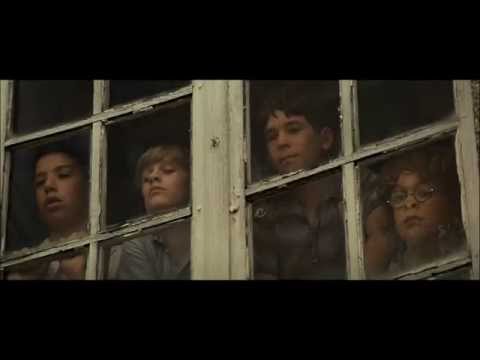
When the bell rings, the clip is already playing. No announcement, no instruction, no "okay everyone settle down." Students walk in and there's something on the screen — a scene from an English-language film, no subtitles, volume up. They sit down and watch, because that's what humans do when there's a screen in front of them. It's not a pedagogical trick. It's just how attention works.
After the clip ends — two minutes maximum — you ask one question. Not a comprehension quiz. One real question: What did you notice? What do you think just happened? What does that character want? Students answer in English, or in whatever mix they have available. You accept everything. You restate their answers in cleaner, fuller English. You move on.
The whole thing takes four to five minutes. And you've done something specific: you've created a shared experience, activated listening comprehension, generated low-stakes output, and brought the class to a common focus — all before anyone opened anything or wrote anything down.
Why Film Clips Work Better Than Other Warm-Ups
The research on input-based acquisition is consistent: meaningful input beats manufactured input. When learners encounter language in a context that carries emotional or narrative weight, retention improves significantly. VanPatten's work on input processing and Swain's comprehensible input studies converge on the same idea. Meaning drives encoding.
A vocabulary warm-up gives students words. A film clip gives them a reason to want words. Those aren't the same thing, and the difference in engagement tells you everything.
There's also an equity dimension that ESL teachers feel acutely: film clips meet students where they are. A student who arrived six months ago and a student who grew up bilingual are watching the same clip. They're both forming impressions. They both have something to say. The clip doesn't sort by level before class has even started — which is exactly what a vocabulary quiz does, every time.
How to Choose the Right Clips
Short is better. Two minutes max. You're not showing a film — you're opening a door. Students' attention is available but fragile in those first minutes.
Visual storytelling matters. Choose scenes where a lot is communicated through body language, expression, and action — not just dialogue. Students at all levels can read the scene before they understand every word. That shared understanding is the foundation for discussion.
Something has to happen. A scene where a character makes a decision, has a surprise, wins or loses something is better than a scene of people talking. Stakes create investment. Investment lowers the affective filter.
Vary the genre. Drama one week, comedy the next, documentary the week after. You're teaching students that English-language film covers the full range of human experience — which is both true and genuinely motivating.
The Compounding Effect
What surprises teachers who adopt this routine is what happens over weeks. Students start coming in faster, because they don't want to miss the clip. They start asking what film it's from — a vocabulary conversation you didn't have to engineer. They start making predictions, comparing clips, arguing about interpretations, in English, spontaneously, because they have something to argue about.
The clip also becomes a reference point for the rest of the lesson. "Remember the scene this morning — the one where she didn't answer the question? That's an evasion. Here are three ways to do that in English." Lesson content sticks to the clip. That kind of ambient acquisition — where students are building knowledge without the cognitive overhead of formal instruction — is exactly what Krashen meant by acquisition rather than learning. It doesn't replace structured instruction. It creates the conditions that make structured instruction land.
The Bigger Picture
The five-minute warm-up is a small thing. But small things done consistently reshape what a classroom feels like. ESL students who begin every day with a real piece of English-language film culture are building something vocabulary drills don't build: a felt sense that English is a living language used by real people to tell real stories, and that they belong in that conversation.
If you want to extend that feeling into a full unit — complete pre-film, during-film, and post-film scaffolding across 14 structured sections — the FilmArobics ESL lesson plans are designed exactly for that. The warm-up is where you start. The lesson plan is where you go deep.