There are about four windows in the school year when teaching language feels genuinely futile. Right before winter break is the worst one. The week before spring break is close. And if you've ever tried to run a grammar unit on the Tuesday before Thanksgiving, you already know that the students left on Friday and just forgot to take their bodies with them.
This isn't laziness. The research on motivation in adolescent learning is actually sympathetic here. Ryan and Deci's self-determination theory distinguishes between intrinsic motivation — doing something because it matters to you — and extrinsic motivation — doing it because someone is making you. In the week before a break, extrinsic motivation collapses almost completely. The grade doesn't feel real. The future feels abstract. The only thing that will actually work in that room is something that generates its own internal pull.
Film is almost the only tool a language teacher has that can do that. But only if you use it correctly.
Why This Week Is Different From the Last Two Weeks of School
The pre-break week has a specific pedagogical problem that the end-of-year slump doesn't. At the end of June, students are done and know it. The year is over. You can make peace with consolidation activities, reflection tasks, and review games — they're appropriate to the moment.
The pre-break week is different because there's a school year still ahead. You're not wrapping up; you're pausing. Which means whatever you do this week, you need students to retain something that carries into January — or April — or whenever they come back. And the research on memory consolidation is very clear on what survives a two-week gap: emotionally encoded information.
Krashen's affective filter hypothesis points to something relevant here. The filter is lowered when anxiety is low and interest is high. The week before a break, anxiety about performance is about as low as it gets — students have mentally disconnected from grades. That's actually an acquisition opportunity, if you know how to use it.
The Mistake Most Teachers Make This Week
The most common pre-break move in language class is also the one most likely to produce nothing: turning on a film without a task. It keeps the room calm. It fills the period. And then every student returns from break having retained exactly zero new language, because passive viewing without structured noticing doesn't produce acquisition — it produces a pleasant memory of watching something in Spanish.
I used to do this. Second week of December, students were gone, I was tired, I'd put on a film and call it "cultural exposure." Totally defensible. Also completely empty. The thing I noticed was that I couldn't point to a single piece of language from that film that showed up in student work after the break. The film was fine. The structure around it was nonexistent.
The second mistake is going the other direction: trying to run a full unit. Launching new vocabulary, new grammar structures, new reading tasks in the pre-break week is a category error. Students cannot climb a motivational hill right now, and asking them to builds resentment. The right move is somewhere in the middle.
What Actually Works: The Low-Lift, High-Retention Structure
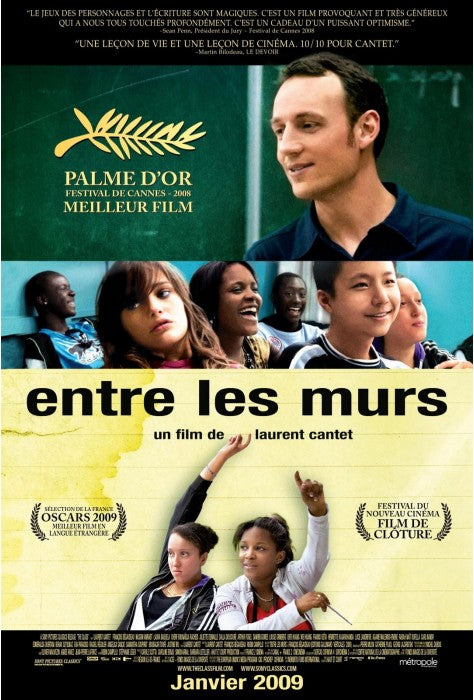
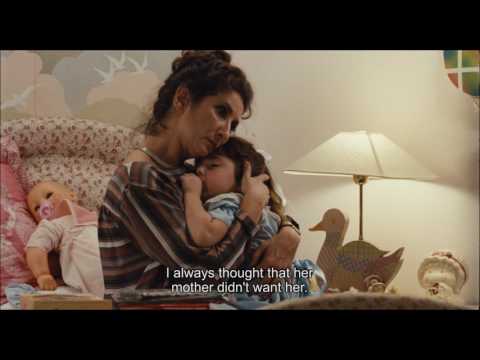
The pre-break week is one of the best opportunities of the year to do deep work on a single scene. Not a film unit — a scene. Twenty to forty minutes of film, structured with three specific tasks, and you'll produce more durable acquisition than a full unit taught in a week of low motivation.
Task 1: Character Prediction (Pre-Viewing)
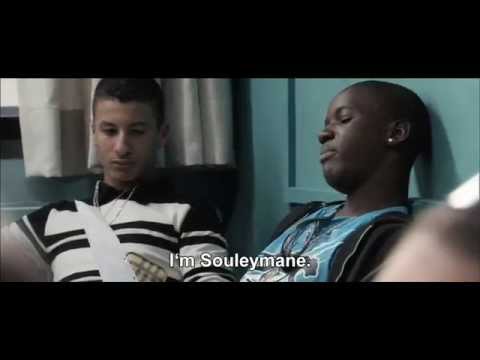
Before the scene plays, give students one sentence of context and one question: "This scene is the first time these two characters meet. What do you think they say to each other?" Five minutes, in the target language, pairs or small groups. This activates schema and lowers the affective filter at the same time — students have a stake in the scene before it starts. When the scene plays, they're watching to confirm or correct their prediction, which is active comprehension rather than passive viewing.
Task 2: Noticing Focus (During-Viewing)
Give students one thing to listen for. Not five things — one. A specific word. A specific grammatical construction. A specific phrase the character uses when they're angry or nervous or lying. Schmidt's Noticing Hypothesis is the research grounding here: acquisition requires conscious attention to form, and you cannot consciously attend to form while also tracking plot, character, and emotion. One task solves this. The student has a job, which means the ear actually engages.
Task 3: Reaction Write (Post-Viewing)
Eight minutes, entirely in the target language, no grade, no word count: "What did you notice? What surprised you? What would you have said differently if you were that character?" The open format matters. Students who are mentally on a beach in Florida can still write two sentences about what surprised them. Students who are genuinely engaged will write a page. Both are producing language. Both are encoding the scene in a way that survives the break.
Why This Structure Works Across the Break
The psycholinguistic research on memory consolidation — particularly the work coming from sleep science and encoding theory — is consistent on one thing: emotionally engaged encoding produces more durable memory traces. A student who was surprised by a scene, or laughed at it, or disagreed with a character's choice, has tagged that memory with emotional valence. That tag helps it survive the break.
A student who watched a film passively for fifty minutes has no tag. The content fades with the same speed as anything else they experienced that week — which is fast.
The three-task structure above is designed to create tags. The prediction task creates anticipation. The noticing task creates a small cognitive win. The reaction write creates personal investment. All three together produce the emotional salience that makes the language stick across two weeks of vacation.
A Practical Note on Film Selection This Week
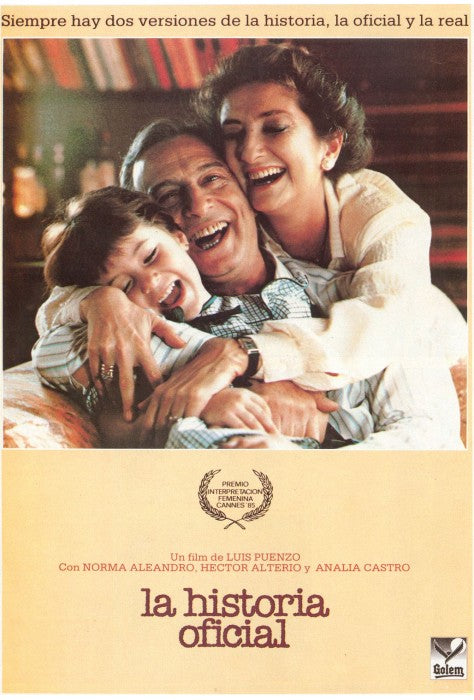
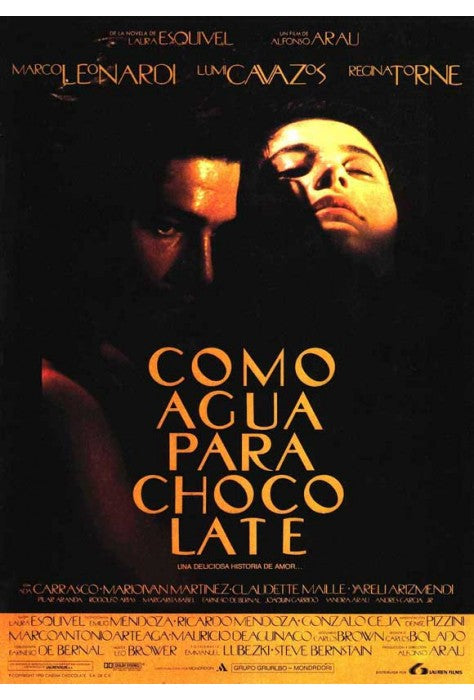
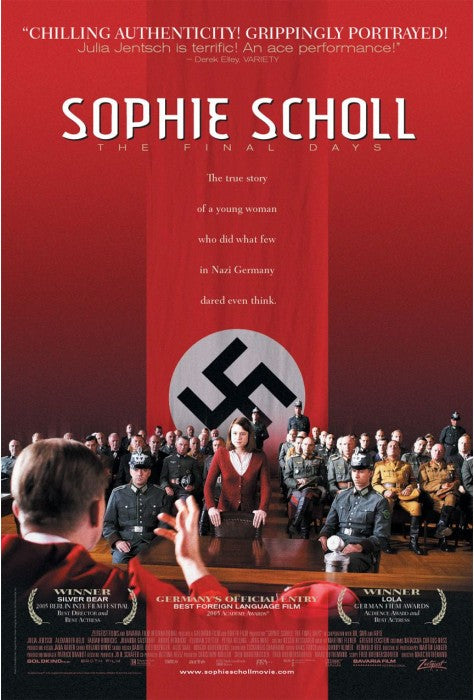
The pre-break week is not the time for a pedagogically ideal film that students find slow. Pick something with a scene that generates immediate engagement: a confrontation, a revelation, a moment of genuine humor that translates culturally. You're not scaffolding a full unit. You're making a deposit in the memory bank before a long withdrawal period.
If you've been running a film unit and you're approaching the break mid-unit, this is actually ideal. Students already know the characters. The emotional investment is already there. A key scene from a film they're already watching will hit harder than any new material could.
When You Come Back
Plan ten minutes for the first class after the break to retrieve the scene. Not to review it — to retrieve it. Ask students: "What do you remember from the scene we watched before the break? Write three things." No notes, no replay. The retrieval practice is the lesson. What students can pull back is what they acquired. What they can't is what was never encoded deeply enough — and that information tells you exactly where to start.
The week before a break is a gift if you use it right: low anxiety, high availability for emotional engagement, and a natural retrieval check built into the calendar. The students who leave for winter break having watched a single scene with full engagement will walk back in January closer to where you left them than you'd expect.
If you want a structured film unit that's already designed for exactly this kind of flexible deployment — a single scene, a full unit, or anything in between — the ESL collection is built for that. Every lesson plan includes scene-level tasks you can run independently of the full unit.