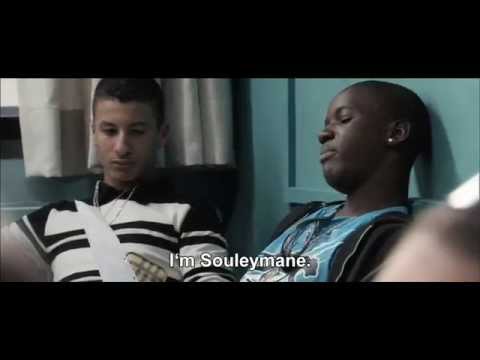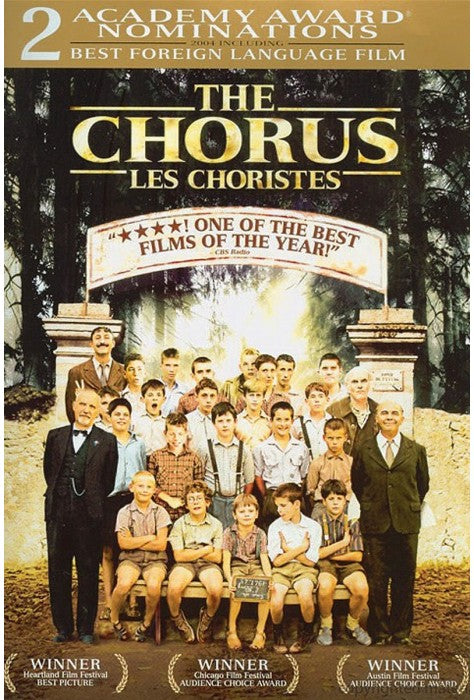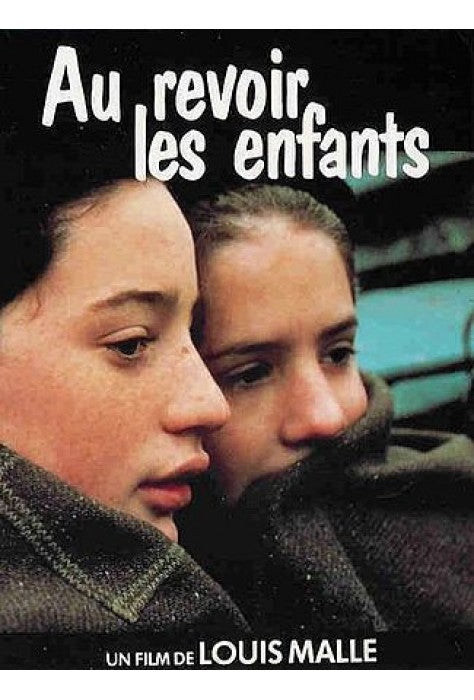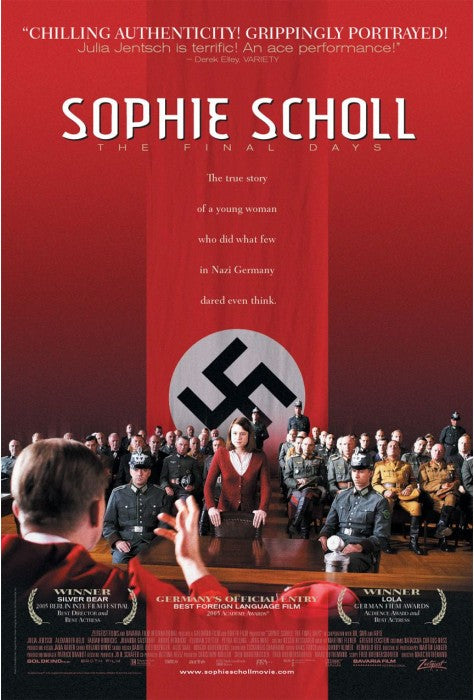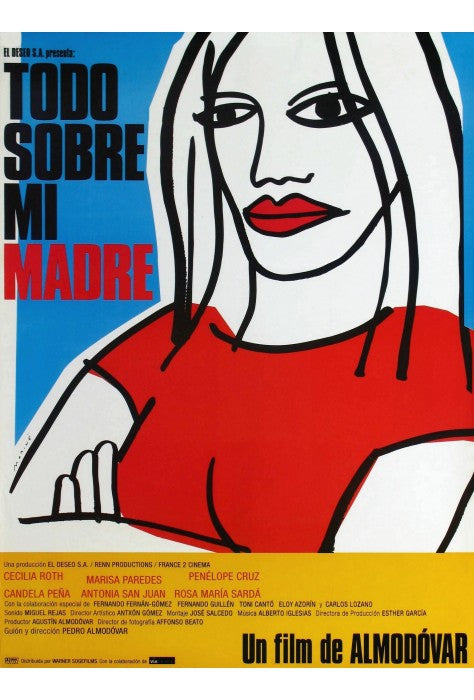
There is a moment in almost every great film in the target language where the villain speaks and the class goes quiet. Not because they are scared. Because they are listening. They are leaning forward. They want to understand what this person is saying, how they justify themselves, what they believe. And they are absorbing language at a rate that no warm-up exercise has ever produced.
This is not a coincidence. It is neuroscience meeting pedagogy. And most language teachers walk right past it.
Why Morally Complex Characters Create the Sharpest Input Conditions
Krashen’s Affective Filter Hypothesis tells us that anxiety, boredom, and low motivation raise a filter that blocks language acquisition even when comprehensible input is present. What lowers that filter? Emotional engagement. Genuine curiosity. The feeling of being inside a story that matters.
The villain delivers all three at once. Students are not passively watching. They are working — trying to read intention, predict behavior, decide whether the character is right or wrong. That cognitive and emotional labor is exactly what Schmidt’s Noticing Hypothesis requires: attention directed at language in use. When a student is trying to understand why a character believes what they believe, they process the language used to express that belief far more deeply than they would process a vocabulary list.
The research on emotionally salient input is unambiguous. Learners remember language acquired in high-stakes, high-emotion contexts at significantly higher rates than language drilled in neutral conditions. The antagonist — precisely because of the moral stakes they represent — creates those conditions without any additional engineering from the teacher.
The Linguistics of Villainy
Here is the thing nobody tells you in teacher preparation programs: antagonists are often the best-written characters in a film. They get the speeches. They get the arguments. They get the monologues that require subordinate clauses, conditional structures, and register shifts. The hero often reacts. The villain explains. That explanation is linguistically dense in exactly the ways language teachers need.
Think about what you get from a well-written antagonist scene: formal register when they want authority, informal register when they want intimacy or menace, rhetorical questions, modal verbs expressing obligation and possibility, and vocabulary that reflects worldview. A villain justifying their actions in Spanish, French, Italian, or German is delivering a grammar lesson inside a moral argument. And students are locked in.
I have watched classes of tenth-graders sit through three minutes of unbroken target-language dialogue — no subtitles, total comprehension focus — because the character on screen was explaining something they genuinely needed to understand. The same students, ninety seconds into a listening exercise from the textbook, are checking their phones. The difference is not the language level. It is the stakes.
How to Build the Lesson Around the Antagonist
The goal is not to celebrate the villain. The goal is to use the moral tension as a comprehension engine. Here is a structure that works at multiple proficiency levels:
Before the Scene: Plant the Question
Before students watch the antagonist’s key scene, give them a single focusing question in the target language: What does this character want, and what do they believe justifies it? Not “what happens” — that encourages plot-level comprehension. “What do they want and why” forces students into the character’s logic. That is where the language lives.
During the Scene: The Two-Column Note
Students keep a two-column note — also in the target language — while watching. Left column: what the character says. Right column: what they think the character really means. This is not a translation exercise. It is a perspective-taking exercise that happens to require active listening and language production simultaneously.
Swain’s Output Hypothesis is worth invoking here. Students do not simply acquire language by receiving it — they consolidate and extend acquisition when they are pushed to produce. The two-column note creates low-stakes production pressure during a high-engagement moment. That combination is rare and valuable.
After the Scene: The Defense
This is the one that surprises teachers. Ask students to argue the antagonist’s position — in the target language — for sixty seconds, as if they believe it. Not because you endorse the position. Because building a genuine argument in the target language, even an argument you disagree with, requires you to use conditional and subjunctive structures, modal verbs, and pragmatic hedging in context. It is some of the most productive output the class will generate all unit.
One caveat: know your film, know your students, know your school community. This works beautifully with a character who is morally complex but not a perpetrator of actual atrocity. Choose carefully. The goal is cognitive dissonance in service of language acquisition, not discomfort for its own sake.
The Language Empathy Frame
Here is the deeper pedagogical move: when you ask students to understand a villain — not excuse them, but genuinely understand their logic in the target language — you are teaching language empathy. You are teaching students that the target language is a vehicle for perspective, not just transaction. That the language exists inside a worldview.
This is what separates cultural competency from vocabulary acquisition. A student who can order coffee in Spanish has vocabulary. A student who can articulate why a character in a Mexican film believes what they believe — in Spanish, with nuance — has something closer to genuine communicative competence. That is the standard we should be building toward.
For Spanish classes specifically, films that center characters navigating social pressure, family obligation, or moral ambiguity give you this kind of material in abundance. The antagonist does not need to be a monster. They need to be wrong about something they believe deeply. That is enough.
The Practical Takeaway
The next time you plan a film unit, do not just map the plot scenes to your language objectives. Find the antagonist’s scene. Ask yourself: what language is being used here that I want my students to acquire? What is the emotional temperature of this moment? Is it high enough to bring down the affective filter and open the acquisition window?
If the answer is yes — and in a well-chosen film, it usually is — build a task around it. One pre-watching question. One during-watching structure. One post-watching production moment. You do not need a full lesson redesign. You need to point the class at what is already there.
If you want a film unit that already has this scaffolding built in — pre-film, during-film, and post-film tasks that make use of the full emotional and linguistic range of a great film — the FilmArobics Spanish lesson plans are designed exactly this way. Every section is teacher-ready, and the antagonist moments are not an afterthought. They are part of the architecture.