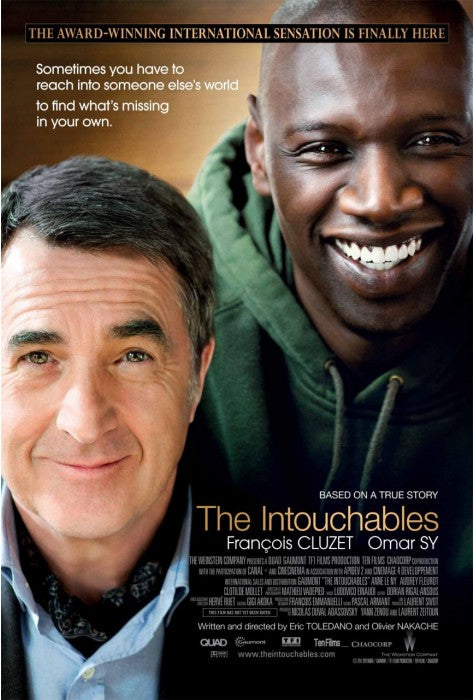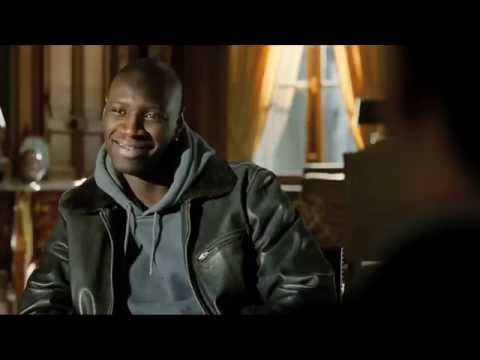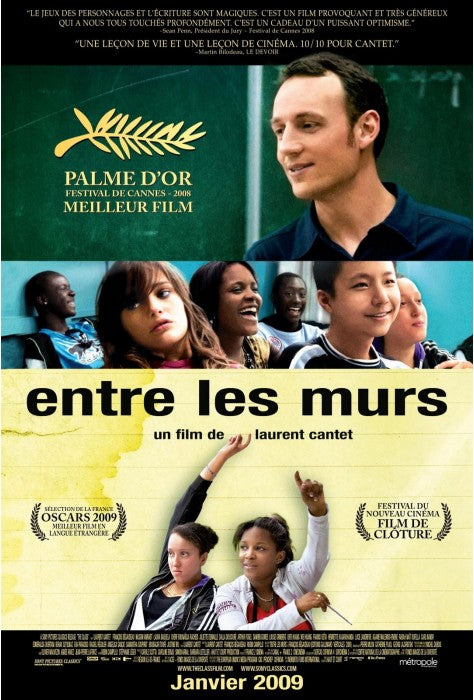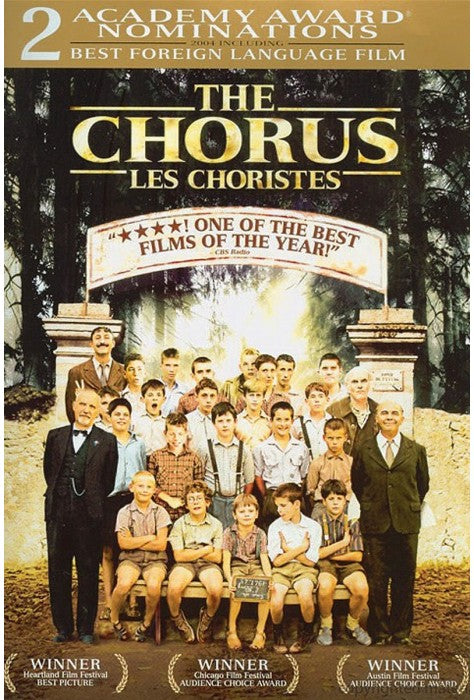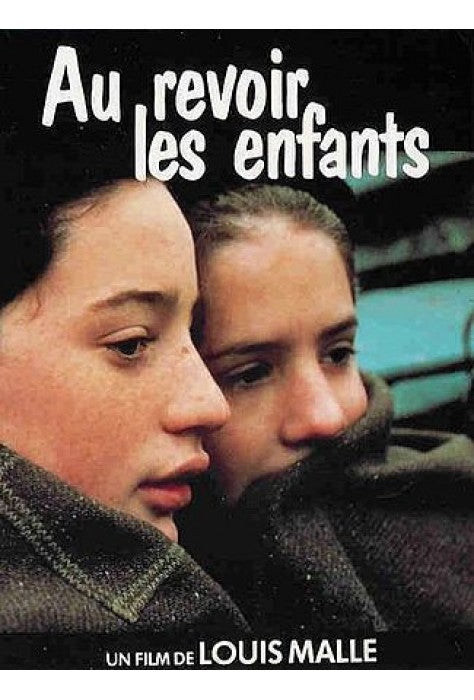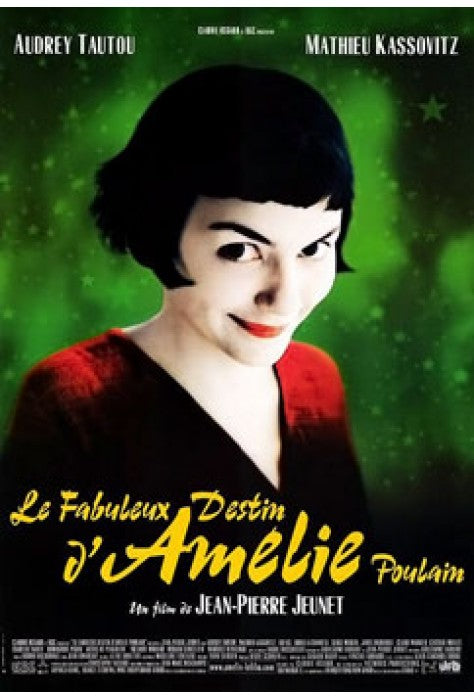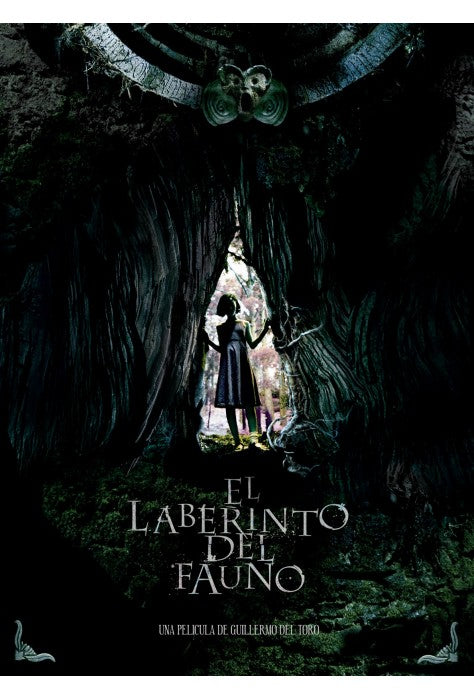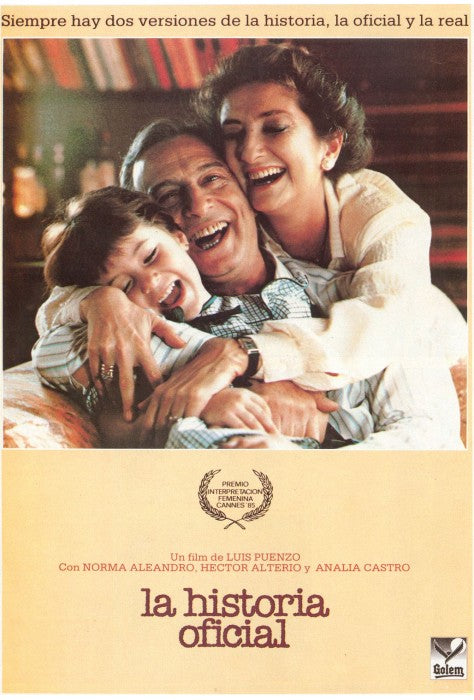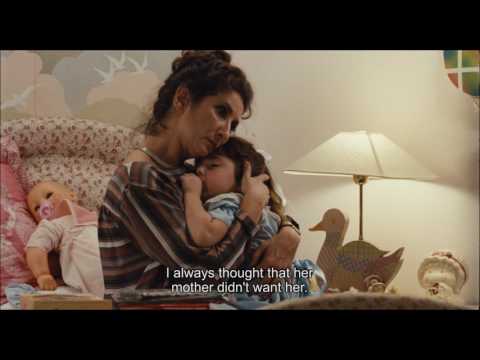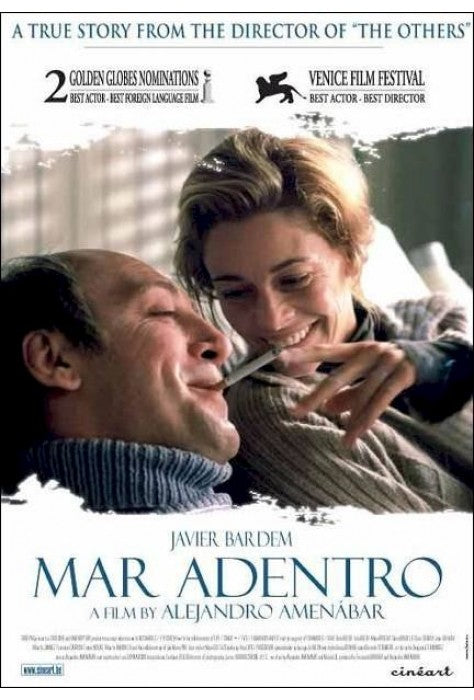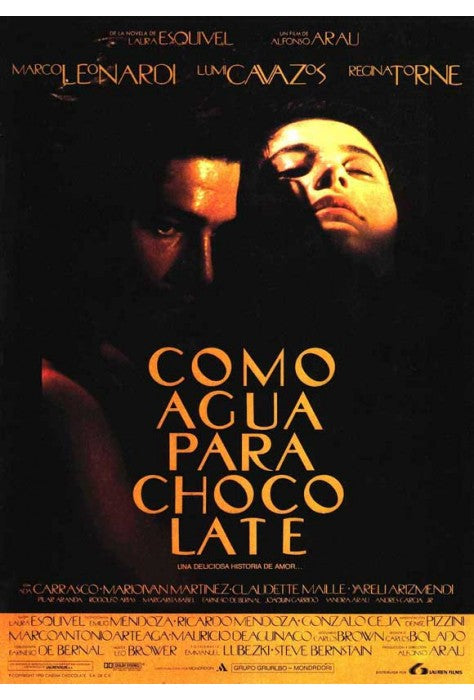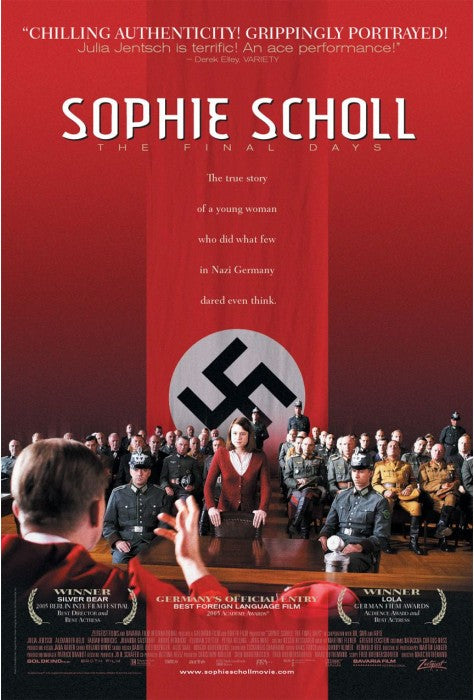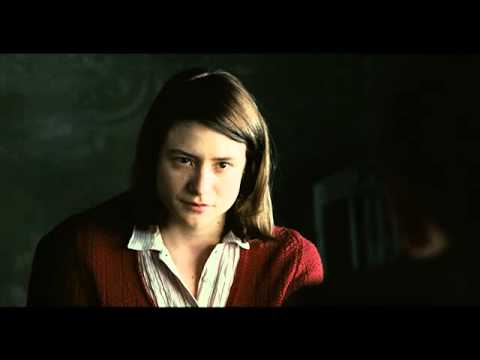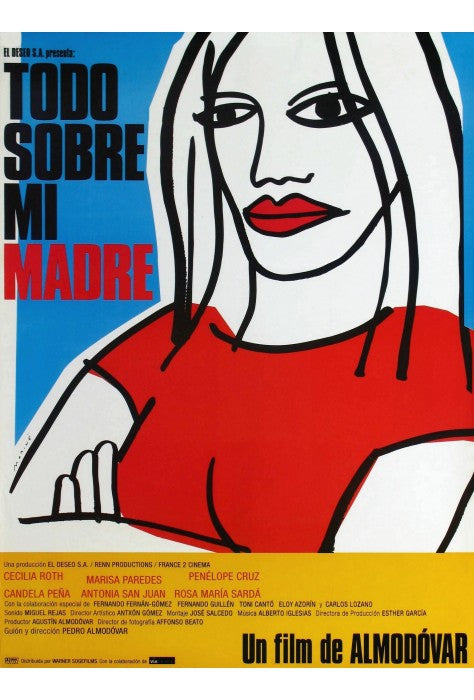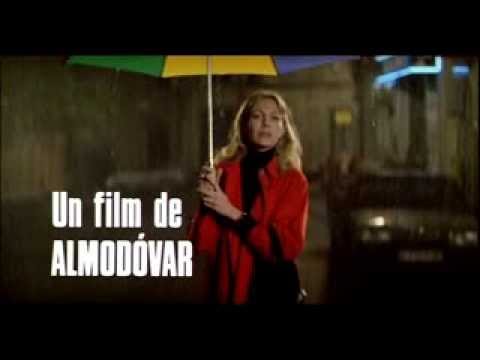
Ask a student what they remember from last year's Spanish class and you'll get a lot of blank looks. Ask them what they remember from the film — and suddenly they can describe exactly what happened between the two brothers in the third act, what the grandmother said at the table, why the main character's friend betrayed him. They remember the people. They always remember the people.
This isn't a coincidence. It's the most useful thing you can know about how language actually gets retained.
Why People Stick When Vocabulary Doesn't
The research on emotionally salient input is pretty unambiguous. Krashen's affective filter hypothesis has a companion finding that rarely gets enough attention in teacher prep: the filter doesn't just govern anxiety — it governs what gets in and stays in. Language that arrives in an emotionally invested context doesn't just get processed. It gets encoded. The hippocampus and amygdala don't treat "querer" in a grammar exercise the same way they treat "querer" when a character says it to someone who's about to leave and you, the viewer, are not entirely sure they'll say it back.
Schumann's Acculturation Model goes a step further — learners acquire language that is attached to social and emotional experience at significantly higher rates than language encountered in decontextualized form. Character relationships in film are, structurally, exactly the kind of social-emotional scaffolding Schumann is describing. A student who's been watching two characters fight, reconcile, and fight again across ninety minutes has a deeply developed theory of mind for both of them. Language that comes from inside that relationship is language the brain wants to keep.
I put it this way to my department head once: you could give students a vocabulary list with "traicionar" on it, and they'll forget it before the quiz. Or you can show them the scene where someone actually does it, to someone they've been rooting for, and they'll still be able to use that word correctly in a writing assignment six weeks later. She looked at me like I'd just explained gravity to her. But it's not obvious — it should be, but it isn't, because we've been trained to think vocabulary acquisition is about repetition, not relationship.
The Practical Move: Anchor Language to Characters
Here's the structural thing that changes everything about how you plan a film unit. Instead of building vocabulary lists from the script or from a frequency count, build them from the characters.
Before the film, assign each student (or pair) one character. Not a deep biographical dossier — just: this is your person. You're watching this film through their eyes. Notice what they want. Notice how they talk about it. Notice what other characters say to them and about them.
Then the vocabulary work happens differently. Instead of "here are twenty words from scene four," it becomes "what does your character say in scene four that surprised you?" The language students surface this way is almost always more complex and more retained than what you'd have put on a list — because they found it in service of caring about someone.
I've done this with all levels. With beginners, you constrain it — notice three words your character uses a lot, write them down, we'll talk about them after. With more advanced groups, you can push into register: does your character speak formally or informally? Does that change depending on who they're talking to? Why? Those are real linguistic observations. And students will make them, because they've been watching this person for an hour and they have opinions.
Character Relationships as Grammar Scaffolding
This is where it gets genuinely interesting from a design standpoint, and where Vygotsky's Zone of Proximal Development applies in a way that's often underused in film-based teaching. Interpersonal language — the language of relationship — is where grammar structure shows up in its most motivated form.
Want to teach indirect object pronouns? Don't do it with a chart. Find the scene where one character does something for another — or to another — and the relationship stakes make the grammar visible. "She brought him the letter." "He didn't tell her the truth." The structure appears inside something that matters, and students who've been tracking these characters can feel the grammar working before they can name it.
Commands and requests are another one. When a character of authority gives an order and a character of lesser status either follows or refuses, you have the imperative in context, tone, and social meaning all at once. That's not something a textbook dialogue about going to the store can replicate. The power differential isn't pretend. Students feel it.
Running the Discussion
The thing I had to learn the hard way: don't ask "what happened in this scene?" Ask "what did your character want in this scene — and did they get it?" The second question produces language, because it produces disagreement. Half the class thought the character wanted one thing. Half thought another. Now you have a debate, entirely in the target language, about motivation and agency and meaning. You're also teaching reading comprehension, theory of mind, and argumentation. In Spanish. Before lunch.
The character-relationship frame also handles the post-film writing problem elegantly. Students who've been tracking a character across the whole film have material. They don't sit down to write about "the movie" — they sit down to write about someone they've been watching for a week. That's the difference between "I didn't know what to say" and a student who writes three paragraphs and asks if they can write more.
A Note for the Teacher Who Thinks This Sounds Too Loose
I hear this sometimes: it sounds like it's just watching a movie. Where's the structure? The structure is in the questions you build, the character assignment you give before the film starts, the vocabulary moments you've pre-identified where a character's language is going to be worth pausing on. The student experiences it as engagement with a story. The teacher has engineered every moment of it. That gap between the student's experience and the teacher's design is exactly what good pedagogy looks like.
If you want that structure already built — the pre-film character framing, the during-film language tasks organized around relationship and dialogue, the post-film output activities that use character as an anchor — that's exactly what a FilmArobics Spanish lesson plan does across all 14 sections. It's $29.95 and it's ready to go Monday morning.
But even without it, start with one film, one character per student, and one question: what did your character want? The language will follow.