There is a student in your class who already speaks the language. Not textbook-speaks it — actually speaks it. She grew up in a household where Spanish was the kitchen language, the argument language, the prayer language. She knows the preterite not because she memorized a paradigm, but because she lived it. And she is sitting in your third-period class, twenty minutes into a lesson on ser versus estar, staring at the ceiling.
This is not a behavior problem. It is a curriculum problem. And it is one of the most common — and most quietly devastating — mismatches in secondary language education.
Why the Boredom Is Not What It Looks Like
The instinct is to read disengagement as attitude. That student is checked out, so clearly she does not want to be here. But the research on bilingual and heritage language learners tells a more complicated story. Cummins' framework on linguistic interdependence distinguishes between Basic Interpersonal Communicative Skills — conversational fluency — and Cognitive Academic Language Proficiency, the academic register that formal schooling develops. A heritage speaker may have extraordinary BICS and genuinely underdeveloped CALP. She can argue with her grandmother in perfect Spanish and still struggle to write a formal essay, analyze a character's motivation, or discuss a film's themes with any precision.
The boredom, in other words, is often frustration wearing a different mask. She is fluent at one level. She is being asked to perform at a level she has already surpassed. The instruction is not i+1 for her — it is i-4. And there is nothing Krashen identified as more damaging to acquisition than input that falls significantly below the learner's actual level. You cannot acquire what you already have.
The Mistake Most Teachers Make
I used to manage this by giving advanced students "extension activities." You know the type — a second worksheet. An extra paragraph to write. I thought I was differentiating. What I was actually doing was extending the task that was already wrong for her. More of the wrong thing is still the wrong thing.
The other common move is pairing her with struggling students to "help." Which sounds pedagogically sound until you realize you have just made a fifteen-year-old girl responsible for teaching the class, without training, without compensation, and without any of her own language needs being met. The research on peer tutoring is nuanced — it can benefit the tutor, but only when the tutor is also receiving appropriately leveled input elsewhere. If your only instruction plan for this student is "help others," you have stopped teaching her.
What Film Changes About This Problem
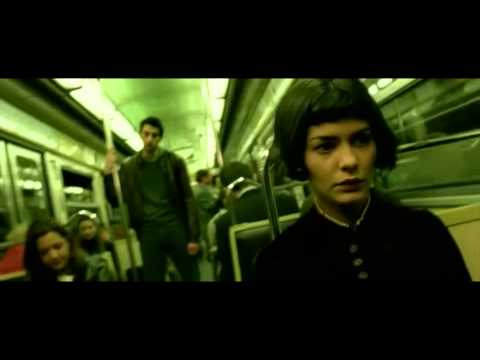
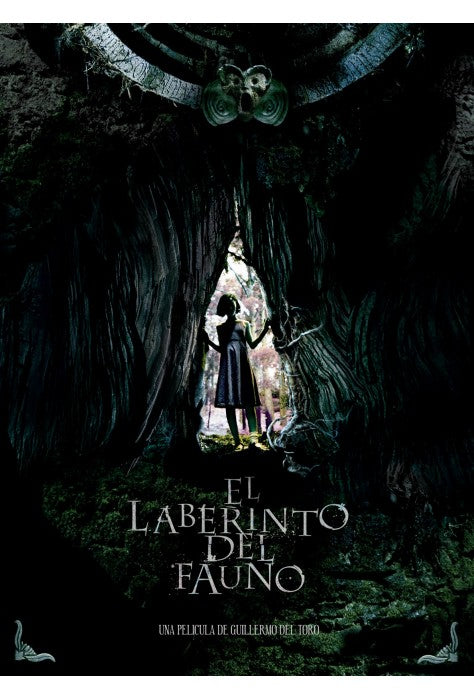
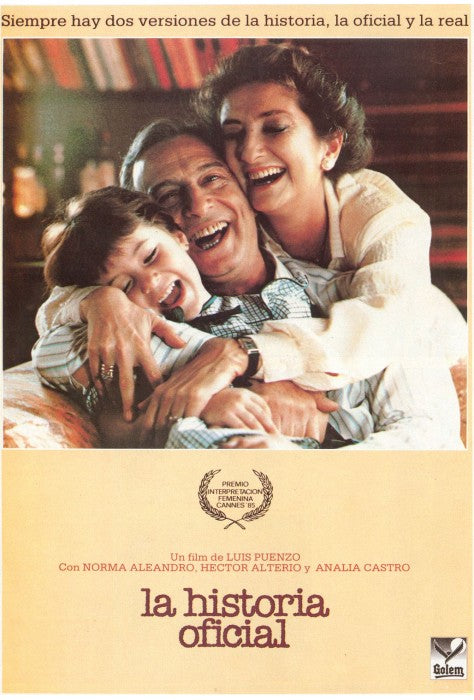
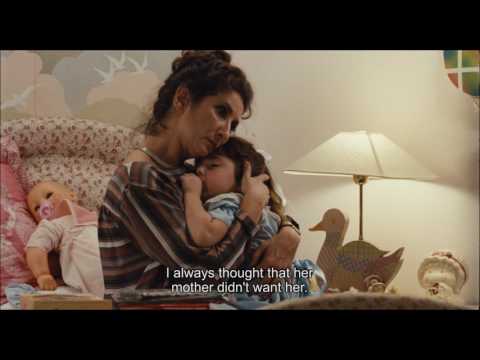
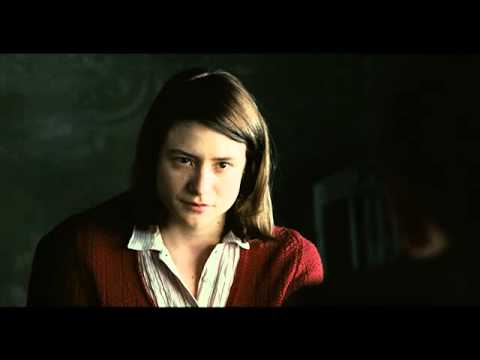
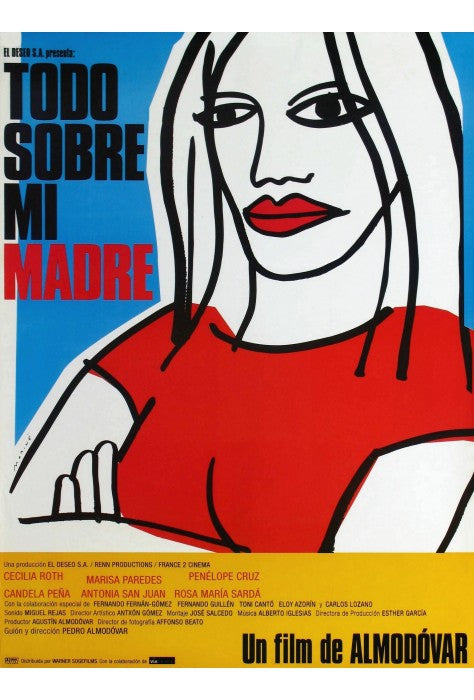
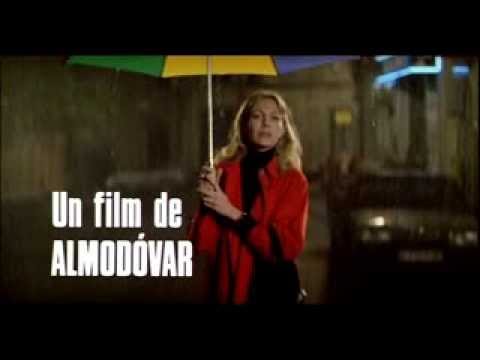
Authentic film does something no textbook can do for a heritage speaker: it raises the register without raising the affective filter. A film in the target language gives her a new context for language she already possesses — not simpler language, not slower language, but different language. Formal register. Regional dialect. Historical speech. Specialized vocabulary from a world she may not have encountered at home.
The research on heritage language development is consistent on this point. Valdés and Pease-Álvarez found that heritage speakers need academic register exposure, discourse-level tasks, and opportunities to encounter the language in contexts beyond the domestic and informal. Film provides all three simultaneously. A kitchen-table Spanish speaker watching a Mexican political drama is encountering vocabulary, syntax, and cultural frames she has never had access to. That is genuine i+1 — for her.
Three Adjustments That Actually Reach Her
1. Assign her the discourse analysis task, not the vocabulary task
When you hand out pre-film vocabulary, let her skip it — or better, let her write the definitions. During-film, instead of comprehension questions, give her a discourse task: note how characters shift register depending on who they are talking to. When does the dialogue become formal? When does it become slang? What does that signal about the relationship? This is genuine cognitive work, it uses her fluency as an asset, and it produces insight you can actually discuss with the whole class.
2. Make her the cultural expert, not the linguistic one
There is a difference between asking her to translate — which is a low-cognitive task she will do with one hand tied behind her back — and asking her to explain. What does this scene mean? Not what does it say, what does it mean? A heritage speaker who grew up near the border, or whose family immigrated from a specific region, often carries cultural knowledge that no film note sheet can replicate. Honor that. Ask her to write a brief response after the film about what the film got right and what it simplified. That is a legitimate analytical task, and it is one that only she can do.
3. Give her a post-film writing task at the appropriate level
Post-film writing for the heritage speaker should not be "write five sentences about the main character." It should be "write a 300-word analysis of how the filmmaker uses setting to establish cultural identity." The comprehension work is already done for her — she understood the film before the class did. The writing task should push her into academic Spanish, formal structure, and analytical vocabulary. That is where her actual developmental edge is. That is where your instruction belongs.
The Honest Admission
None of this is easy to execute in a mixed class where you also have a student who just learned what a cognate is. Differentiation at this scale is genuinely hard. But the choice is not between perfect differentiation and giving her a second worksheet. The choice is between acknowledging that this student has a real academic need and not acknowledging it.
What film does — and this is the structural fact that makes it worth using — is provide a shared text that is genuinely rich enough to generate different tasks at different levels without fragmenting the class. Everyone watches the same film. The struggling student works on vocabulary in context. The proficient student works on comprehension. The heritage speaker works on discourse analysis. They are all in the same conversation. That is not a workaround. That is actually good pedagogy.
A Final Note on the Ceiling
The heritage speaker who is bored is not bored because she is ahead of your class. She is bored because the class has not yet found her ceiling. Authentic film, properly scaffolded, gets you closer to that ceiling than anything else in the secondary language toolkit. It is not a fix for a broken curriculum. But it is the best tool available for finding out how high a fluent student can actually go when someone finally asks her the right question.
If you are running a Spanish film unit and want a ready-made structure that already differentiates across proficiency levels — including heritage speaker tasks built into the post-film section — the FilmArobics Spanish lesson plans are designed exactly for that classroom. Every unit includes tasks that scale. Browse the Spanish catalog here.