Pronunciation is the orphan skill of language teaching. We all know it matters. We all know students mangle it. And most of us quietly avoid addressing it directly because there is no graceful way to tell a sixteen-year-old that they sound like they are reading a manual for a dishwasher.
So we let it slide. We correct a few egregious errors, maybe drill some minimal pairs for ten minutes at the beginning of the semester, and then spend the rest of the year hoping exposure will do the rest. Sometimes it does. More often it does not, and you end up with a student who aces every written exam and then visits Mexico City and cannot make themselves understood at the taquería.
Why Pronunciation Instruction Usually Fails
The research on pronunciation instruction is not encouraging — at least not for the methods most of us were trained to use. Explicit drill-based phonics instruction, the kind where you repeat bu-e-no after the teacher until the class loses the will to live, produces marginal and fragile gains. Learners can perform the isolated sound and then immediately abandon it the moment they are trying to say something real.
What Krashen's input hypothesis tells us — and what the more recent work on phonological acquisition confirms — is that pronunciation improves through massive exposure to comprehensible, emotionally salient input. The ear has to hear a sound hundreds of times in meaningful contexts before the brain starts calibrating its own production toward that target. You cannot shortcut this with drills. You can only create the conditions for it to happen.
The affective filter matters here too. A student who is anxious about being corrected will tighten up. They will produce safer, more anglicized versions of target language sounds because that is the version they feel confident enough to risk. Lower the anxiety and you get more phonological reach. Raise it — which is exactly what happens when you call on someone to repeat a sound in front of their peers — and you get retreat.
What Film Does That Nothing Else Does
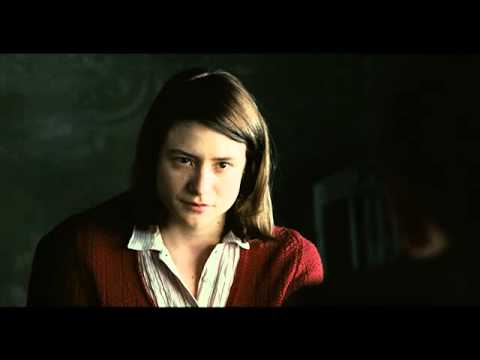
Here is something I noticed about the third time I showed a film to an upper-level Spanish class. About halfway through the first day, a student leaned over to her neighbor and whispered something — perfectly imitating the rhythm of a line a character had just delivered. Not the words. The rhythm. The intonation. The way the phrase arched up and then fell.
She was not trying to practice pronunciation. She was playing. But that imitation was more phonologically accurate than anything she had produced in class in months.
This is not anecdotal magic. It is what the literature on phonological shadowing predicts. When learners encounter highly engaging spoken input — speech they are emotionally invested in, tied to a character they find compelling — they activate imitative processing in a way that deliberate drill does not reach. The prosodic features of the language: stress, rhythm, intonation — get absorbed unconsciously because the brain is too busy caring about the story to filter them out.
Film also provides something no teacher can: a native speaker who never gets tired of being listened to, whose accent is consistent, whose emotional register shifts naturally with context, and who does not stare back at the student waiting for them to repeat. That changes everything for anxious students.
How to Actually Structure It
The Shadowing Protocol — Before You Screen
Before you play a scene, pull two or three lines of dialogue — not sentences from a textbook, actual lines from the film. Put them on the board without context. Play the audio. Students listen twice. On the third pass, they whisper along. Not repeat. Whisper along, in real time, while the audio plays.
Whispering is the key move. It removes performance anxiety entirely. You are not asking anyone to produce in front of the class — you are asking everyone to produce simultaneously and quietly. Nobody can hear anyone else clearly enough to be embarrassed, and nobody can hear themselves clearly enough to second-guess their output. What you get is an unguarded attempt at the target phonology.
After two rounds of shadowing, ask: what did you notice? Not "did you get it right" — that question raises the filter immediately. What did you notice? Where did your mouth get confused? What surprised you about the rhythm? That kind of reflective phonological awareness is what actually sticks.
The Anchor Scene — Return to It
Every film you teach has at least one scene that is linguistically dense and emotionally memorable — an argument, a confession, a moment of humor the whole class reacts to. That scene is your anchor. Return to it deliberately for pronunciation work later in the unit. By the third or fourth viewing of that clip, students have so much context and emotional investment that they can attend to the sound rather than scramble for the meaning.
This is the equivalent of what musicians call slow practice: you separate the mechanical from the expressive and work on each independently. When students already know what is being said and why it matters, they can actually hear how it sounds.
Character Imitation as a Production Task
This one gets a little silly and works extremely well. Near the end of a film unit, after the class knows the characters, give them a transcript of a short exchange — four or five lines — and ask them to perform it as the character would. Not just read it. Perform it: the character's pace, affect, energy.
Suddenly you have students working hard on prosody, stress, and vowel quality — because they are trying to sound like someone they find interesting, not trying to please a teacher who is evaluating them. The phonological ambition is real and the anxiety is low because they are being the character, not themselves. It is a small distinction that produces a very different kind of output.
The Honest Part
None of this produces perfect pronunciation, and you should not promise it. What it produces is a growing phonological map — a more accurate internal model of what the language sounds like. Over time, that map guides production in a way that drill never will, because it is built from thousands of real instances rather than repeated isolated tokens.
You also end up with a class that has strong feelings about what the language sounds like. Students who care about sounding like the characters they love are students who keep listening long after the unit ends. That is not a small outcome. That is the beginning of a lifelong ear.
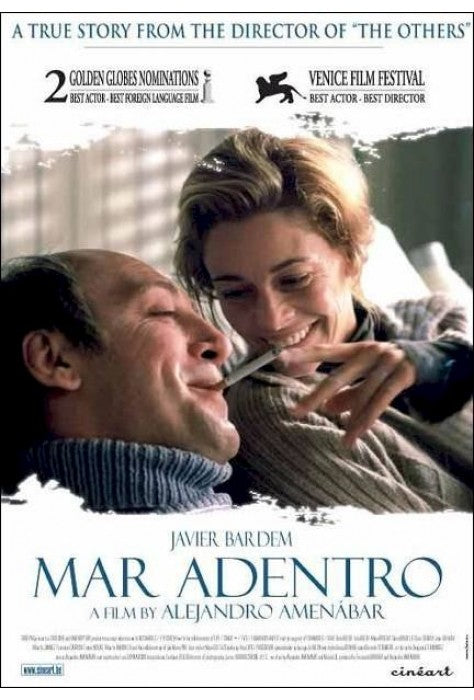
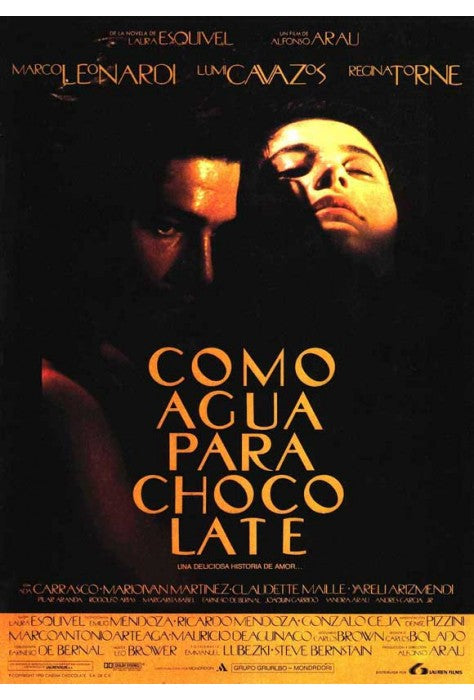
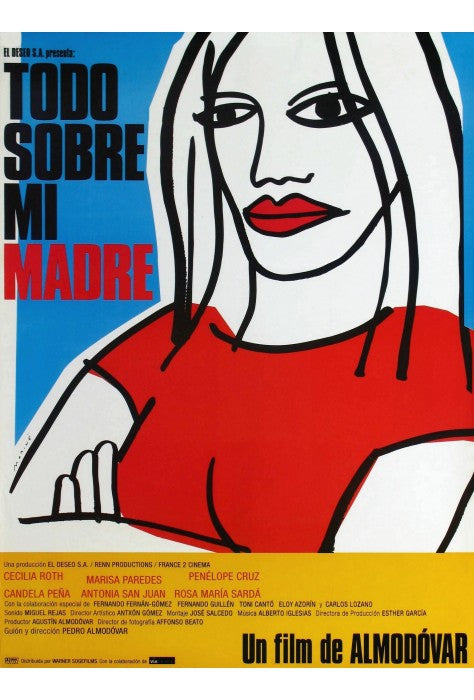
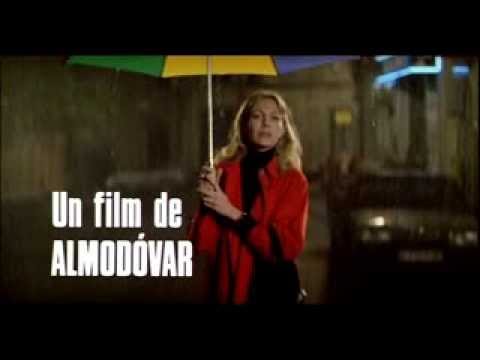
If you are looking for a lesson structure that builds these conditions deliberately — the kind of scaffolding that takes a scene from passive watching to active phonological engagement — the FilmArobics Spanish lesson plans are built for exactly this. The pre-film and during-film sections create the exposure architecture that makes the shadowing and noticing work. One film, fourteen sections, the whole phonological journey built in.