Every listening unit starts the same way. You hit play. Within thirty seconds, you have a third of the class leaning in, a third looking confused, and a third who have already checked out. The gap between what the audio is delivering and what any given student can actually process is not a discipline problem. It is a design problem.
The research on input-based acquisition is unambiguous on this point. Krashen's comprehensible input hypothesis — the idea that acquisition happens when learners encounter language at i+1, just one step beyond their current level — has a built-in implication teachers rarely name out loud: in a mixed-level classroom, one listening track cannot simultaneously be i+1 for every student in the room. For a beginner, the advanced learner's comprehensible input is noise. For the advanced learner, the beginner's comprehensible input is sleep.
That is not a failure of curriculum design. It is a fundamental property of how input acquisition works. The question is what to do about it.
The Standard Fix That Doesn't Fix It
Most schools respond to differentiated listening instruction by layering worksheets. The advanced kids get a harder version of the same task. The beginners get sentence frames. The result is that you are now managing three separate documents, the sub-lesson on making copies runs long, and period 3 starts before you have finished distributing anything.
Here is what actually happens in that room: you get compliance. You do not get acquisition. A student filling in sentence frames while a native-speed track plays is not acquiring the language. They are pattern-matching blanks with words they already know, or guessing, or copying from a neighbor who is also guessing. The listening stops being a listening task and becomes a survival task.
Comprehension anxiety — what Krashen identified as the mechanism behind the affective filter — rises sharply when a learner perceives that the input is beyond reach. The filter goes up. Acquisition stops. You are now running a class where half the room has psychologically opted out before anyone has said a word in the target language.
What Film Actually Changes
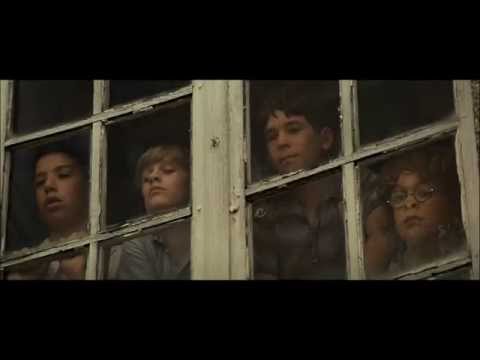
Film is not a listening track. That distinction matters more than it sounds.
A listening track is audio. Film is audio plus visual context, facial expression, gesture, setting, narrative momentum, and emotional stakes. Schmidt's noticing hypothesis suggests that comprehension is scaffolded by attention — and multimodal input, the kind that arrives through both auditory and visual channels simultaneously, frees up cognitive load for linguistic processing. A student who cannot parse a word at speed can still extract meaning from what a character's face is doing, what the setting tells them, where the scene is headed narratively.
This is not a workaround. This is exactly how acquisition works in naturalistic environments. Nobody learns a second language by sitting in a room with nothing but an audio file. They learn it in context, surrounded by meaning. Film is closer to that than anything else you can do in a classroom.
The result in a mixed-level room is that the input is differentiating itself. The beginner is acquiring from the visual scaffold and catching key vocabulary. The intermediate student is processing dialogue at speed and building fluency. The advanced student is noticing register, idiom, and subtext. They are watching the same film. They are not receiving the same input — because they never could have.
Three Task Structures That Work
Film differentiates the input, but you still need to differentiate the tasks. Here is what that looks like without tripling your prep time.
1. The Before-You-Watch Frame
Give every student the same scene. Before you hit play, give beginners three or four vocabulary anchors — the words the scene absolutely depends on. Give intermediates a single open comprehension question. Give advanced students a prediction task: what is this character going to want, and how will the other character resist it?
Now play the scene. Everybody watches the same two minutes of film. The beginner is listening for the words they already know. The intermediate is checking their comprehension question. The advanced student is watching the dramatic substructure of the scene. They are all doing legitimate acquisition work. You prepped one set of tasks in three tiers, not three separate lessons.
2. The Rewatch Protocol
Play the scene once with no task. Let them just watch. Then play it again and ask everyone to write down, in the target language, anything they noticed that they did not notice the first time.
This task is inherently self-differentiating. The beginner writes one word they caught on the rewatch. The advanced student writes three sentences about how the subtext shifted. Nobody is failing because nobody set a ceiling on what "noticing" means. And the act of noticing — Schmidt's key mechanism — is the acquisition event. The rewatch is where it happens.
3. The Scene Reconstruction
After the scene, ask students to reconstruct what happened — not translate, but reconstruct. Beginners can do it in English with three target language words embedded. Intermediates write in the target language with access to their vocabulary sheet. Advanced students write without support and add a sentence predicting what happens next.
What you get is a single task with a natural output gradient. Beginners are producing. Advanced students are pushed. And nobody is looking at a different sheet of paper from the person next to them, which matters more for classroom culture than most curriculum guides acknowledge.
The Thing About "Different Levels"
There is a subtler point the differentiation literature does not always name. When a beginner watches a film alongside an advanced student and they discuss it afterward, acquisition happens from that conversation too. Swain's output hypothesis is explicit: the act of producing language for a real communicative purpose — explaining what you understood to someone who understood it differently — is itself a site of acquisition. The mixed-level classroom is not a bug. It is a feature, if the task structure asks students to talk to each other about what they got from the film.
The beginner who watched with their whole attention and got 60% of the dialogue understood something. The advanced student got 95%. When they compare notes, the gap is the lesson.
What This Looks Like Across a Unit
The three-tier task structure takes real pressure off lesson planning, but only if you build it into the unit from the start rather than scrambling to differentiate on the day. Pre-film vocabulary for your lower proficiency students. During-film rewatch protocols for everyone. Post-film reconstruction tasks with a built-in output gradient.
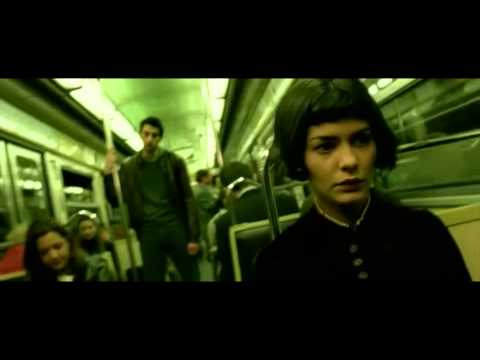
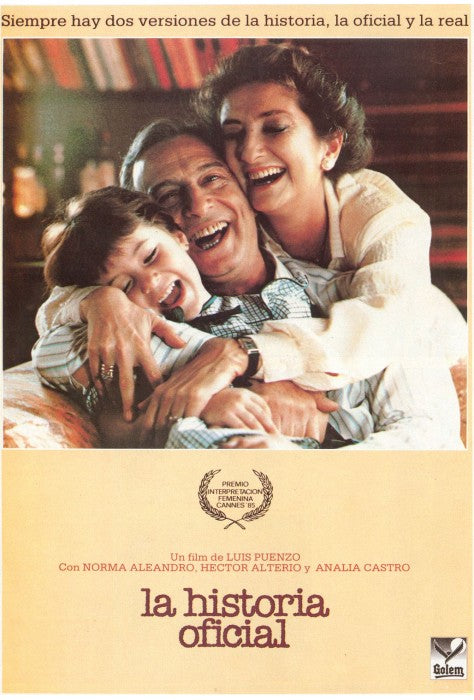
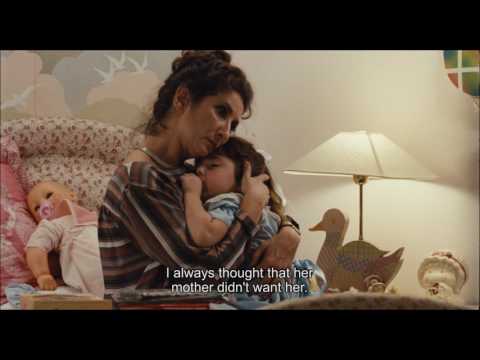
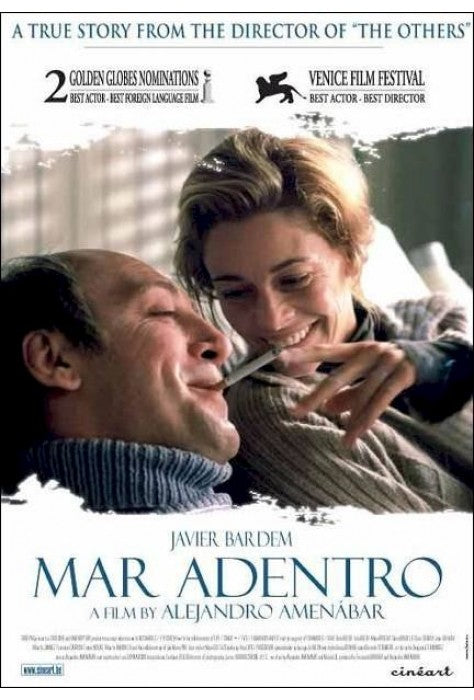
That is the architecture a well-sequenced film unit already has, if someone has done the design work. The pre-film section primes vocabulary. The during-film section structures the listening tasks. The post-film section asks students to produce at whatever level they can. If you are running film units in Spanish and looking for a unit where that scaffolding is already built in — 14 sections, structured across the whole arc of a feature film, designed for exactly this kind of mixed classroom — the FilmArobics Spanish catalog is worth a look: filmarobics.com/collections/spanish.
One film. Multiple levels. Design the tasks so the input can do what it was always going to do — differentiate itself — and then let the students actually acquire something.