There is a kind of exhaustion that does not show up in any teacher wellness survey. It is not the kind that sleep fixes. It is the kind that builds when you have been the lesson plan for eighteen weeks in a row — the one who designs it, explains it, monitors it, redirects it, differentiates it, assesses it, and then goes home and builds tomorrow's version from scratch.
The research on teacher cognition is pretty clear about what happens next. Cognitive load theory — Sweller, 1988, extended by Kirschner and others into instructional design — shows that when a teacher's working memory is consumed by managing the mechanics of delivery, there is almost nothing left for responsive instruction. You stop noticing the student who almost had something to say. You stop catching the grammar moment that would have been perfect. You are running the machine, not teaching.
Denise has a name for this. She calls it period-three brain. It happens on Tuesdays, usually after a two-hour prep the night before, when you walk into class with a perfectly fine lesson and deliver it in a way that is technically correct and humanly absent. The students feel it. They comply. They do not catch fire.
The Invisible Weight of Being the Curriculum
Most language teachers are not working from a lesson plan. They are working from a mental model — accumulated decisions about what needs to happen today, in what order, for this group of students, with this much time. That model lives entirely in their head, and it is expensive to maintain.
When we talk about teacher burnout in the language classroom, we tend to frame it as emotional — the relentless performance of enthusiasm, the invisible labor of noticing every student, the exhaustion of speaking in the target language all day. All of that is real. But there is a structural problem underneath the emotional one: language teachers are asked to be the source of comprehensible input, the architect of tasks, the shepherd of discussion, the assessor of output, and the cultural expert — simultaneously, every day.
Krashen's comprehensible input hypothesis does not say teachers need to provide all of it. It says learners need to receive it. That is a different claim. The teacher is one possible source. Not the only one.
What Happens When You Offload the Input
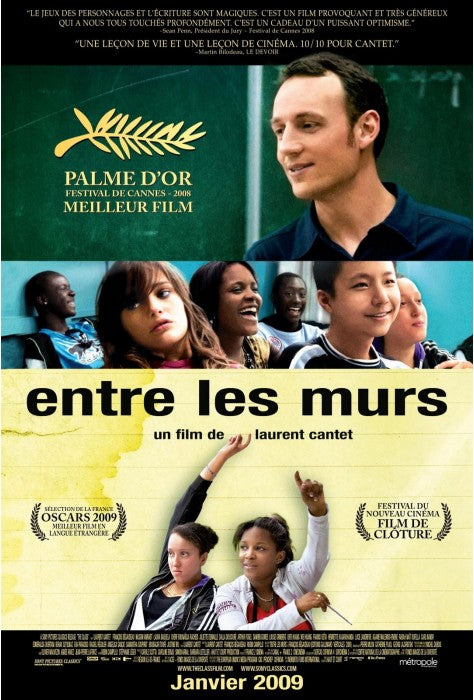
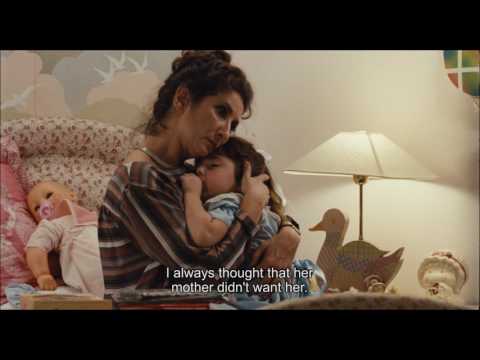
Here is what film does that changes the equation. When a film becomes the primary input source for a unit, the teacher stops being the curriculum and starts being the guide. The language — the vocabulary, the register, the syntax, the pragmatic context — is coming off the screen. The teacher's job shifts from generating input to helping students process it.
That is not a smaller job. But it is a fundamentally different one. And for a lot of teachers, it is the job they actually want to be doing.
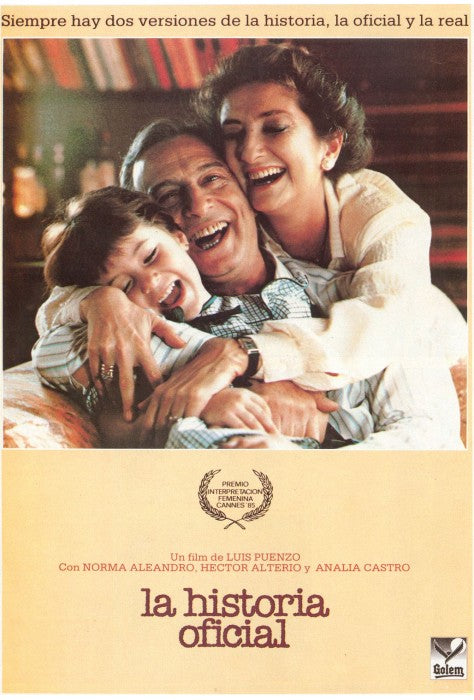
Denise ran a film unit the February of her eighth year. She came in on a Thursday with no voice — genuinely could not project past the third row. She pressed play, put the comprehension questions on the board, and circulated. She did almost no talking. At the end of the period, two students who had never had a real conversation in class were arguing — in Spanish — about a character's decision in the scene they had just watched. She stood there and let it happen.
That was the day she understood what she was supposed to be doing. She had been performing the lesson instead of teaching it.
The Task Architecture Makes the Difference
The catch — and there is one — is that offloading input to a film only works if the tasks around the film are designed to process that input. A film with no pre-viewing vocabulary work is a film students watch without comprehending. A film with no structured output task after is a film students enjoy and forget.
Nation and Newton's work on task design makes this explicit: the learning does not happen during the input; it happens when learners are pushed to do something with it. The film creates the conditions. The tasks create the acquisition.
This is the structural answer to the problem. When the task architecture is built into the unit — pre-film, during-film, post-film — the teacher is no longer rebuilding the scaffold from scratch every day. They are running a sequence that was already designed to work. They show up and teach inside it.
That is not a shortcut. It is good design. And good design is what gives teachers their attention back — the attention that was going into maintaining the mental model that should have been on paper in the first place.
What You Actually Need in the Room
Teachers who work from strong lesson plans are not doing less. They are freed to do the things that cannot be planned: the responsive question, the noticing moment, the redirection when a student is close to something real. Those are the high-value moves in language teaching. They require presence. Presence requires that you are not simultaneously planning and executing.
There is a version of film-based teaching that is lazy — press play, sit down, grade papers in the back. That is not what we are describing. The teachers who use film well are more engaged during class, not less, because they are not burning working memory on logistics. They are watching students.
Denise keeps a legal pad on the corner of her desk during film units. Not for notes on the lesson. For notes on students — who is leaning forward, who is pretending to watch, who is mouthing the words back. She can see that because she is not trying to remember what comes next.
A Word About the Tuesday Problem
Period-three brain is not a character flaw. It is a resource allocation problem. The solution is not more coffee or better sleep — it is structural: teaching from a unit that carries some of the cognitive load so that you can carry the rest of it well.
Film units are not a rest. They are a redistribution. The energy you used to spend building the input now goes into responding to students who are receiving it. That is a trade most teachers would make immediately — if they trusted the structure enough to let it do its job.
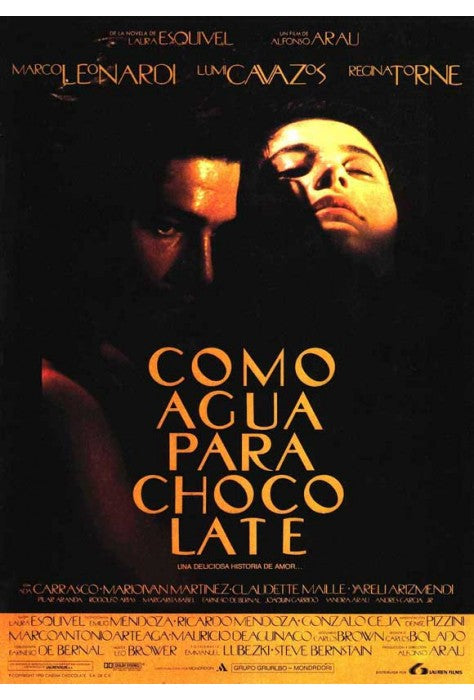
At FilmArobics, every lesson plan is built to do exactly that — carry the architecture so you can teach. If you are looking for a unit that can hold itself up without you performing every piece of it, the Spanish lesson plan library is worth a look. The 14-section structure is built for teachers who want to be present in the room, not managing it from memory.