The email lands in your inbox on a Thursday afternoon. A parent, politely but unmistakably: "I heard my son watched a movie in class today. Can you explain how that's aligned with the curriculum?"
If you teach with film, you've either gotten this email or you're waiting for it. And the worst part isn't the email itself — it's that the standard response, "it's an educational film," sounds exactly as flimsy as they suspect it is.
Here's what the research actually gives you to say instead.
The "It's Just a Movie" Problem
The anxiety parents (and sometimes administrators) feel about film in the language classroom comes from a real place. They've seen classrooms where a film gets shown because the teacher needed a Friday. They've seen films used as reward, not as instruction. That context exists, and it's done a lot of damage to every teacher trying to use film rigorously.
The research distinction that matters most here is between incidental and intentional viewing. A 2008 meta-analysis by Vanderplank on video in language learning found that passive exposure to authentic media produced modest gains at best — but structured, scaffolded engagement with the same material produced measurably better vocabulary retention, listening comprehension, and pragmatic competence. Same film. Completely different outcome depending on what the teacher built around it.
That's the answer to the parent email. You're not showing a movie. You're delivering structured input in an emotionally salient context — with pre-loading, guided processing, and production tasks baked in. The film is the text. The lesson is the lesson.
What "Screen Time" Research Gets Wrong About Language Class
The "screen time is harmful" literature that parents are usually drawing on is almost entirely about passive, unsupported media consumption by young children — the 90 minutes of YouTube before bed study, not the language acquisition study. They're using the wrong citation for the wrong context.
Krashen's Comprehensible Input hypothesis (1982, and every revision since) is explicit: acquisition happens when learners encounter language that is meaningful, slightly above their current level, and delivered in a low-anxiety environment. Authentic film, properly scaffolded, hits all three. A textbook dialogue recorded in a studio by people who have never met hits none of them.
The affective filter piece is particularly important to understand — and to explain to parents. Krashen's model holds that anxiety, boredom, and low motivation raise what he called the "affective filter," essentially blocking language from being processed deeply enough to stick. Students who are genuinely engaged with a story — who want to know what happens next — have a lower affective filter. They're not just exposed to the language. They're acquiring it.
You can say that to a parent. It lands differently than "it's educational."
What I Actually Say When the Email Arrives
I keep a one-paragraph response saved in my drafts. It goes something like this:
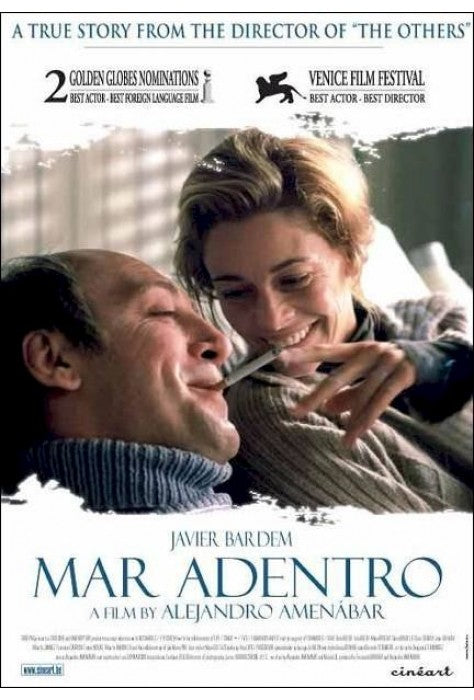
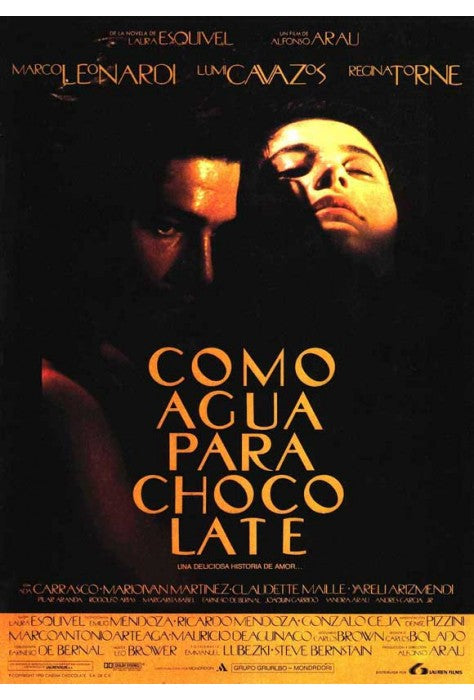
"Thank you for reaching out. In our Spanish class, we use feature films as primary texts — the same way an English class uses a novel. Each film is paired with a structured lesson that includes vocabulary preparation before viewing, comprehension and language-focus tasks during, and speaking and writing activities after. Research in second language acquisition consistently shows that emotionally engaging, contextualized input produces stronger language retention than isolated practice. I'd be happy to share the lesson materials if that would be helpful."
The offer to share the materials is key. In twelve years of teaching, I've never had a parent take me up on it and then continue to object. The existence of a lesson plan — a real one, with sections and tasks and language objectives — is the proof that this isn't a free period with subtitles.
The Administrator Version
Admin concerns are usually slightly different from parent concerns. Parents worry about screen time and content. Administrators worry about standards alignment and instructional time.
For standards, the argument is clean: authentic listening comprehension, cultural competence, pragmatic awareness, and production tasks (speaking and writing) following film-based prompts map directly onto ACTFL guidelines and most state standards. If your district uses the ACTFL Can-Do Statements, film-based instruction hits listening, reading (if you're using subtitles strategically), speaking, and writing — often in a single unit.
For instructional time, the answer is structure. A 90-minute film doesn't "take" 90 minutes of instructional time in a single sitting. Broken into clips and scenes, with work happening in between, a feature film can anchor two to three weeks of instruction. The film is the anchor, not the filler.
The Conversation Worth Having
Here's the thing about the parent email that most teachers miss: it's actually an opportunity. A parent who asks about what's happening in your class is an engaged parent. They're paying attention. The question — even when it stings — is a chance to explain your pedagogy in plain language, and to help a family understand that language acquisition is a process, not a performance.
The research backs you. The lesson plan backs you. Own the explanation. You're not defending a choice to show a movie. You're explaining a methodology that's been supported by forty years of SLA research and works in a way that textbook instruction, by itself, simply doesn't.
If the lesson plan itself is the documentation you've been missing — the structured, section-by-section unit that transforms a feature film into a rigorous curriculum text — FilmArobics Spanish lesson plans are built exactly for that. Every plan covers 14 instructional sections: pre-film, during-film, and post-film. The kind of thing you can attach to a parent email and feel good about. Browse the Spanish collection at filmarobics.com/collections/spanish.