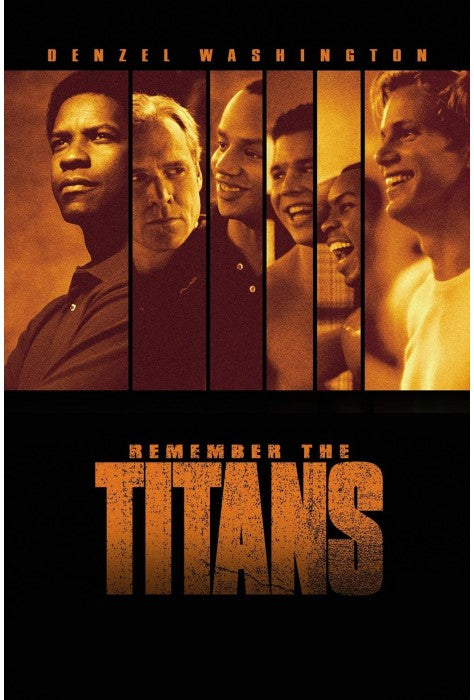
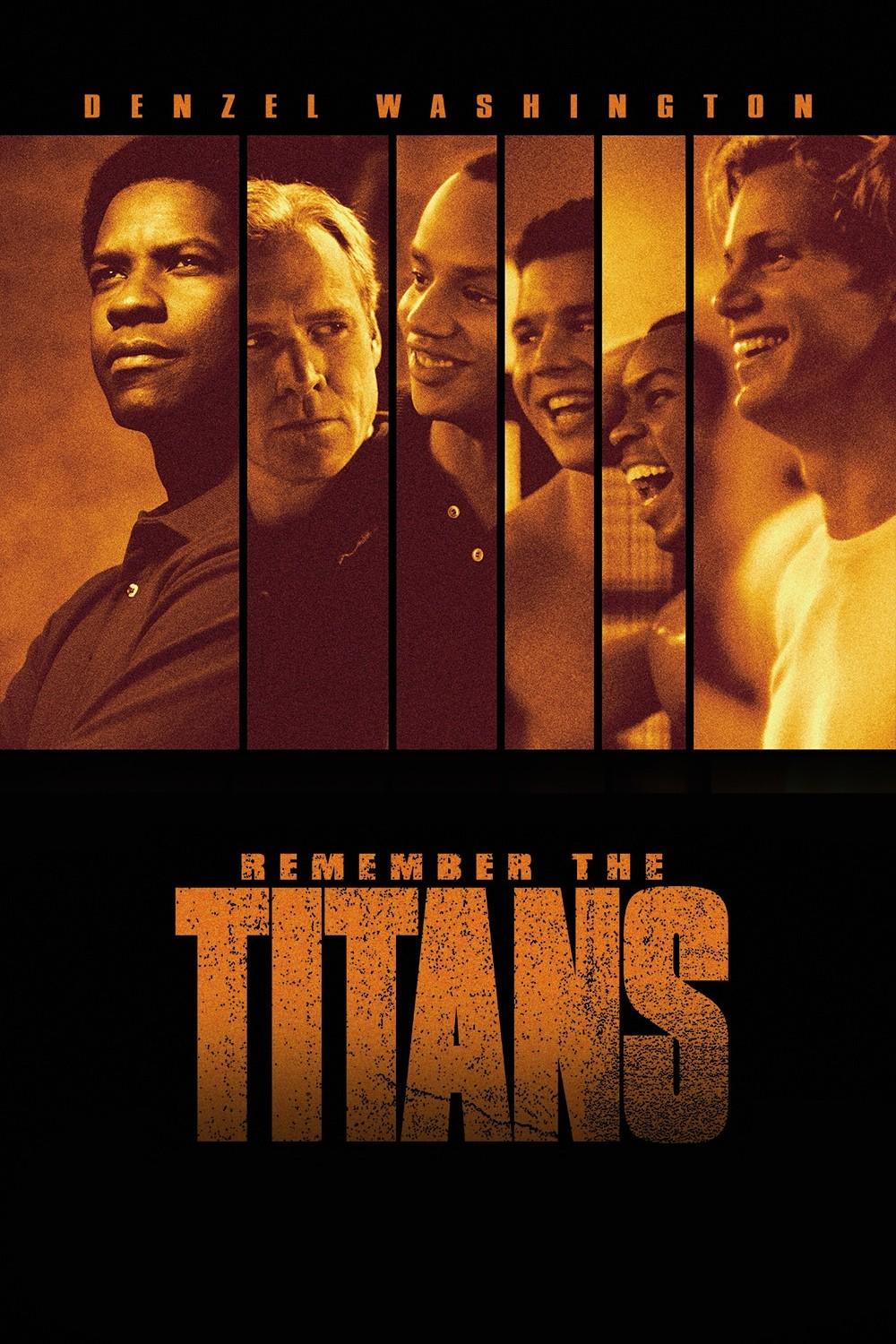
In 1971, T.C. Williams High School in Alexandria, Virginia was forcibly integrated — and its football team, the Titans, was assigned a new Black head coach over the existing white coach. Remember the Titans follows what happened that season. It's a film about integration, leadership, and team — and it is also, specifically, a film about what happens when men who have been taught to distrust each other are forced to communicate, compete, and eventually trust each other. For an ESL class, the film provides something essential: the English of sports, leadership, American South, and the vocabulary of race in America.
For ESL students, the film's language is dense with American idiom and regional variety. Coach Herman Boone speaks in direct, commanding English; Coach Bill Yoast speaks in the softer, more measured English of a man choosing his battles; the players code-switch between locker-room slang, formal player-to-coach address, and the different registers of Black and white Southern American English in 1971. Students who track those differences hear English as a social system rather than a grammar exercise.
📬 Stay in the loop. New lessons added regularly — join the list to hear when your film is available.
Key Themes for the Classroom
- Integration and belonging — The Titans become a team across racial lines that the surrounding community refuses to cross. Ask: What does it mean to be a "team"? Is it different from being a "community"?
- Leadership and authority — Coach Boone and Coach Yoast have very different leadership styles. Ask: Which coach do you trust more, and why? What specific things do they say that reveal their character?
- Courage and cost — Several characters face real social costs for supporting integration. Ask: What does Sunshine risk when he sits with the Black players? What does Gerry risk when he defends Bertier's position?
Scene to use: Coach Boone's training camp speech at Gettysburg — standing on the battlefield, addressing the players about what happened there and why they're going to do better. The English is formal, rhetorical, and historically loaded. After watching, ask: What is Coach Boone really saying? Students identify the argument beneath the speech.
Low-prep classroom activity: Students write a brief motivational speech in English — as Coach Boone, addressing the team before the final game. They must reference something specific from the season, acknowledge a challenge the team overcame, and end with one statement about what this game means beyond the score. The task produces formal motivational English in a voice students have been listening to throughout the film.
What to listen for: Coach Boone's speeches are some of the most studied examples of American motivational English in film — and for good reason. His language is direct, physically grounded, and morally clear. Ask students to identify one Boone speech and analyze it: What is the first sentence? What does the last sentence do differently from the first? What specific words carry the weight of the argument? The rhetorical analysis teaches students the structure of American persuasive speech — a genuinely useful register to understand.
The full ESL lesson plan for Remember the Titans is ready at filmarobics.com/products/remember-the-titans — $29.95.
Students walk away from Remember the Titans having heard English carry the weight of American racial history through the specific experience of a football team — and having thought seriously about what it means to belong to something that transcends the divisions you were raised with.
The full ESL lesson plan for Remember the Titans is ready at filmarobics.com/products/remember-the-titans — $29.95.
📬 Stay in the loop. New lessons added regularly — join the list to hear when your film is available.
Students walk away from Remember the Titans having heard English carry the weight of American racial history through the specific experience of a football team — and having thought seriously about what it means to belong to something that transcends the divisions you were raised with.