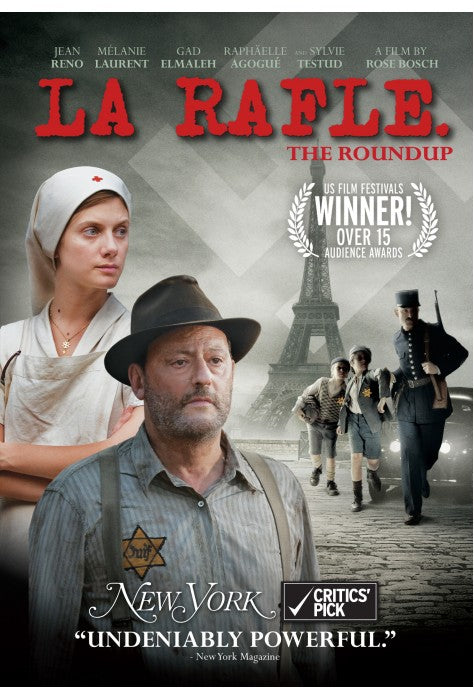
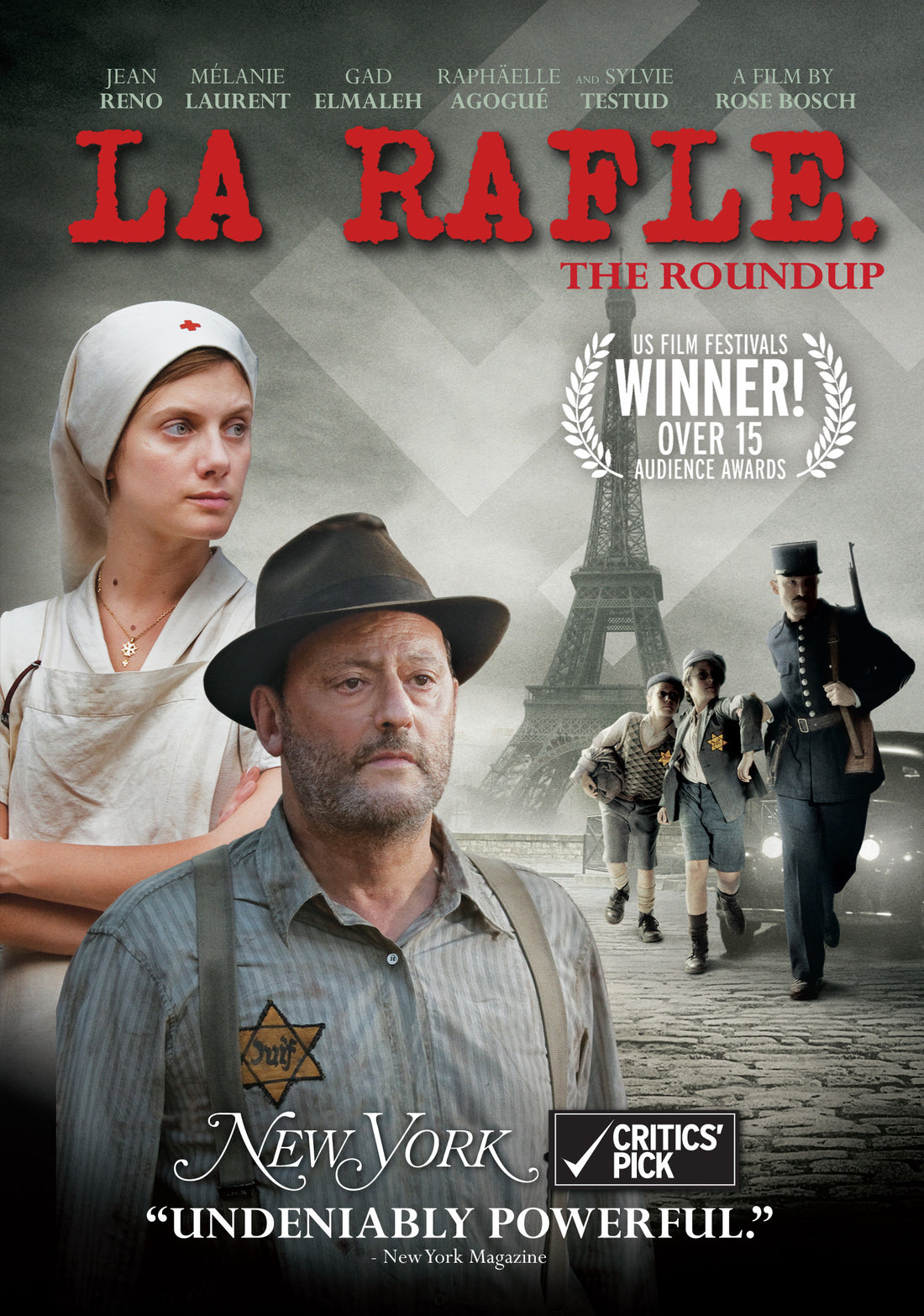
Paris, July 1942. The Vel d'Hiv roundup: 13,000 Jewish men, women, and children arrested by French police and held in the Vélodrome d'Hiver before deportation to Auschwitz. Roselyne Bosch's 2010 film tells this story through the eyes of the children who survived it — specifically Jo Weismann, whose friendship with a young French boy named Nono and a Jewish nurse named Annette Monod is the film's emotional core. La Rafle is one of the most important films about French collaboration with the Nazi occupation available for classroom use.
For French students, the film does something that most Holocaust films don't: it implicates France. The arrests are carried out by French police, on French soil, against French citizens, with French administrative efficiency. The vocabulary of bureaucratic complicity — the lists, the orders, the careful procedural language of official violence — is present throughout and gives students access to one of the most difficult conversations in French national history.
📬 Stay in the loop. New lessons added regularly — join the list to hear when your film is available.
Key Themes for the Classroom
- French collaboration — The French government organized the roundup, not the Germans. Ask: Pourquoi est-il important de savoir que c'étaient des policiers français? What does French responsibility mean for French identity?
- Civilian courage — Several French people helped Jewish families hide or escape. Ask: Qu'est-ce qui permet à certaines personnes d'agir quand la majorité ne le fait pas?
- Children and history — The film is told largely from the children's perspective. Ask: Que comprennent-ils? Que ne comprennent-ils pas encore?
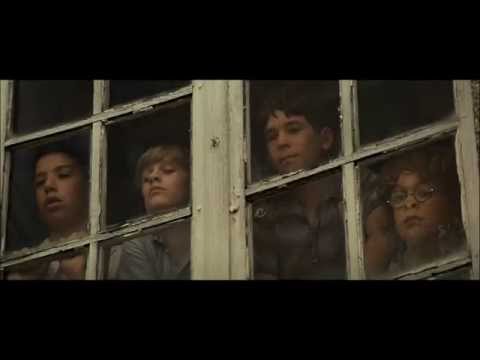
Scene to use: The roundup morning — the French police arriving at apartment buildings, families assembling, neighbors watching from windows. The French official language of arrest — neutral, procedural, completely disconnected from what it is doing — is present in every exchange. Ask: Comment les policiers parlent-ils aux familles qu'ils arrêtent? Students identify the specific language of institutional violence disconnected from its consequences.
Low-prep classroom activity: Students write a brief witness statement in French — from a French neighbor who watched from a window and did nothing. They must describe what they saw, acknowledge what they understood was happening, and explain what they were thinking at the moment they chose not to act. The constraint produces French that must be honest about an uncomfortable moral position.
📅 Teach it when it counts: July 16 is the anniversary of the Vél d'Hiv roundup — an annual day of remembrance in France since 1993. Teaching La Rafle in mid-July, or in January (Holocaust Remembrance Month), contextualizes the film within a living French civic commemoration. The film was released in France in 2010 and sparked significant national conversation about how French schools teach the Occupation — a conversation students can engage with directly after watching it.
📅 Teach it when it counts: July 16 is the anniversary of the Vél d'Hiv roundup — an annual day of remembrance in France since 1993. Teaching La Rafle in mid-July, or in January (Holocaust Remembrance Month), contextualizes the film within a living French civic commemoration. The film was released in France in 2010 and sparked significant national conversation about how French schools teach the Occupation — a conversation students can engage with directly after watching it.
The full French lesson plan for La Rafle is ready at filmarobics.com/products/la-rafle — $29.95.
Students walk away from La Rafle having heard French used for one of the most difficult passages in French history — and having thought seriously about what ordinary people do when their government requires them to participate in something they know is wrong.
The full French lesson plan for La Rafle is ready at filmarobics.com/products/la-rafle — $29.95.
📬 Stay in the loop. New lessons added regularly — join the list to hear when your film is available.
Students walk away from La Rafle having heard French used for one of the most difficult passages in French history — and having thought seriously about what ordinary people do when their government requires them to participate in something they know is wrong.