Every Spanish teacher has heard this story. A student goes to Mexico for two weeks — a family trip, a service program, a summer homestay — comes back, and you ask how it went. And they say some version of: "I couldn't understand anything. The real Spanish is so different. Everyone talked way too fast."
You nod sympathetically. But privately, you're doing math. That student has four years of Spanish. They can conjugate the subjunctive. They aced the oral exam. And they couldn't order lunch.
This is not an isolated case. It's one of the most consistent findings in second language acquisition research, and it has a name: the classroom-authentic use gap. Understanding why it happens changes how you teach — not just for the students who travel, but for every student in your room.
What the Research Says (and Why It's Uncomfortable)
Michael Long's interaction hypothesis draws a useful distinction between comprehensible input — the kind Krashen described, language that's just above a learner's current level — and negotiated input, the kind you get when communication actually breaks down and both speakers have to work to repair it. Classroom instruction is saturated with comprehensible input. The teacher slows down. Repeats. Rephrases. Uses the vocabulary from this week's chapter. The input is designed to be understood.
That's not what happens in a market in Oaxaca. The vendor doesn't know your student's proficiency level. They don't have a chapter 7 vocabulary list. They're going to say what they're going to say, at speed, in the register they always use, and your student either catches it or doesn't.
What study abroad actually reveals is not that students lack grammar. It's that they've never had to process language under realistic conditions: fast, unedited, emotionally loaded, with no teacher standing by to rephrase. Rosamond Mitchell and Florence Myles documented this in their survey of classroom versus naturalistic acquisition — the gap between controlled input and uncontrolled input is not primarily a vocabulary problem or a grammar problem. It's a processing speed and register recognition problem.
The classroom produced knowledge. The street demanded fluency. Those are different things.
What Denise Sees in Room 214
I've had this conversation after every exchange trip we've done. The students who come back most frustrated are usually the ones who scored highest in class. And I used to think that was paradoxical. It's not. Those students knew exactly how much they were missing. They had enough Spanish to realize how much they didn't understand — which is actually a good sign, even when it doesn't feel like one.
The students who came back most confident? Often the ones who'd been speaking from day one without caring whether it was correct. They'd learned to navigate through approximation. They'd gotten comfortable not catching every word. They were terrible at the subjunctive and had survived a two-week trip just fine.
That taught me something I've never fully reconciled with traditional grading: tolerance for ambiguity might matter more than accuracy, at least for real-world survival. Krashen calls it low affective filter. I call it the student who doesn't mind sounding ridiculous in front of a stranger.
The Film Connection
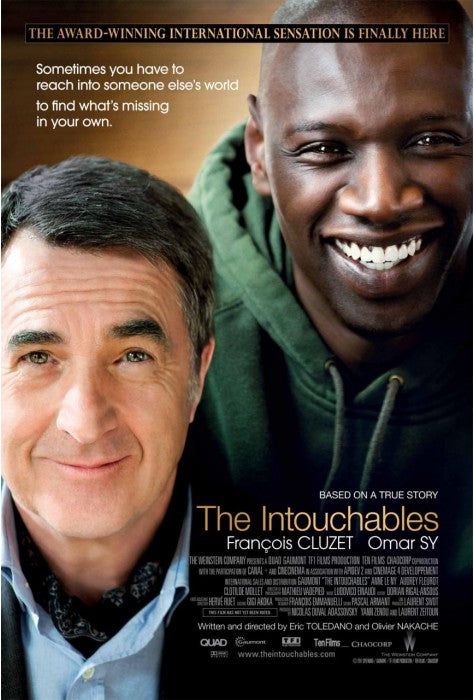
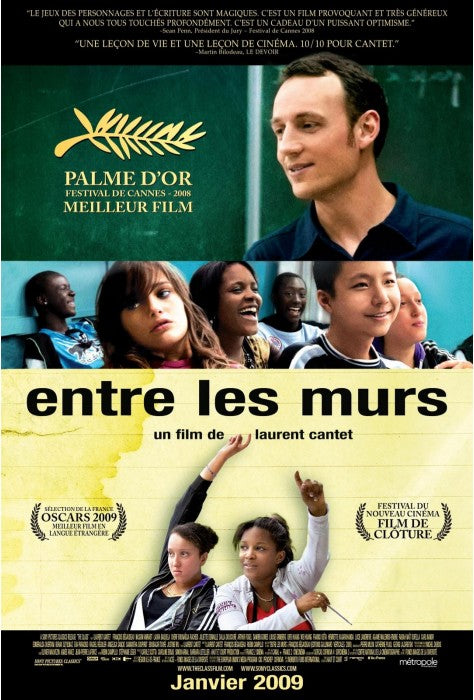
Here's what's interesting: authentic film is structurally closer to study abroad than classroom instruction is — and structurally very different from both.
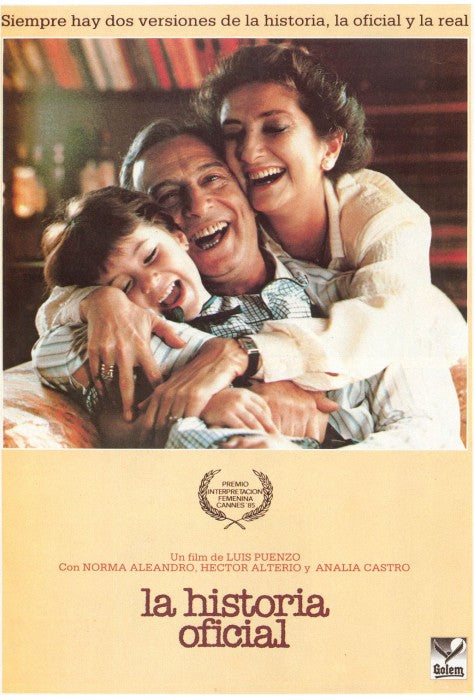
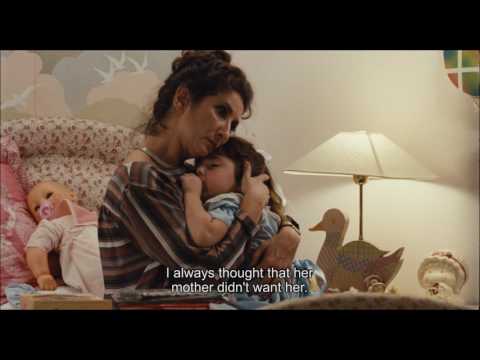
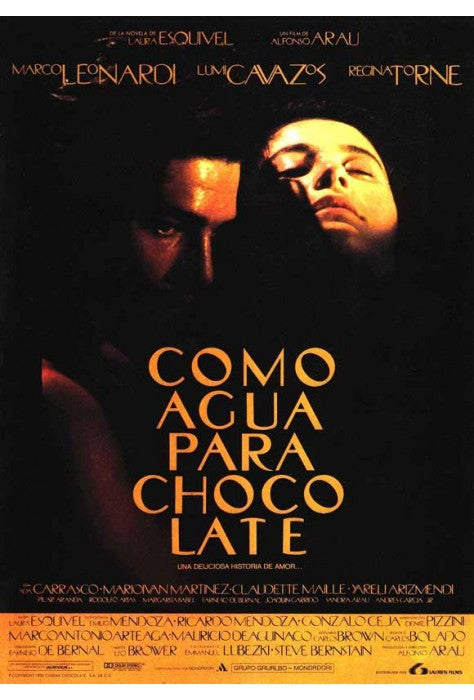
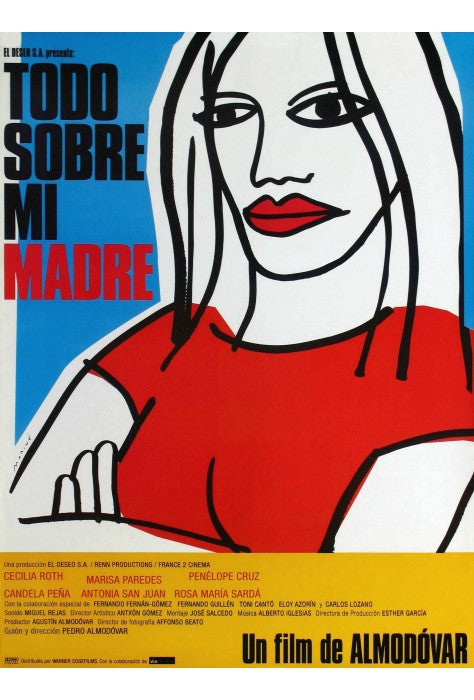
The characters in a Spanish film don't know your students exist. They talk at native speed. They use ellipsis, interruption, overlap, regional vocabulary, contracted speech. They reference cultural context that never appeared in a textbook. This is precisely the input condition that breaks students in a foreign country — and film puts students inside it safely, with a pause button and a structured task to anchor them.
The key insight from Long's work is that learners acquire language when they're pushed to negotiate meaning — when there's some gap between what they understand and what the input demands, and they have to work to close it. Film creates that gap deliberately. The task scaffolding closes it structurally. The emotional investment (because they actually want to know what happens next) keeps the affective filter low enough for acquisition to occur.
Study abroad works for some students — the ones who already have the tolerance for ambiguity, the ones who push through the discomfort of not understanding and keep engaging anyway. Film-based instruction builds exactly that tolerance before anyone gets on a plane. It rehearses the cognitive and emotional experience of encountering real language at real speed, inside a low-stakes classroom structure where the cost of not catching everything is just... watching the scene again.
Three Moves That Build Authentic-Use Readiness
1. No-pause viewing. Assign one full scene — no pausing, no rewinding — followed by a comprehension task that only requires the gist. Students who have never watched a film without stopping will find this genuinely difficult the first time. That difficulty is the point. Processing language in real time, under mild pressure, is what study abroad demands. Rehearse it in class first.
2. Register comparison. Find a scene from the target-language film where a character says something in an informal, contracted, or regionally marked way. Write the textbook version on the board. Ask students: what's different? Why would a speaker say it this way? This is not a grammar drill. It's a fluency inoculation — teaching students that the Spanish they know and the Spanish they'll encounter are related but not identical.
3. The inference task. Write three lines of dialogue from a scene with two or three words replaced by blanks. Students watch once and fill in the blanks — not from memory, but from inference based on context, tone, and what the speakers were doing. This replicates the core cognitive task of authentic comprehension: filling in what you missed with what makes sense. Textbooks almost never ask students to do this. Film makes it natural.
Your students may not get to Mexico this year. But if they're watching a film in your class — really watching it, with structured tasks that push them to process at speed — they're getting closer to ready than any textbook unit will get them.
FilmArobics lesson plans for Spanish are built around this exact problem: authentic input, structured scaffolding, and tasks that build tolerance for real-language ambiguity. If you're teaching Spanish and want a unit that does this work for you, browse the Spanish catalog.