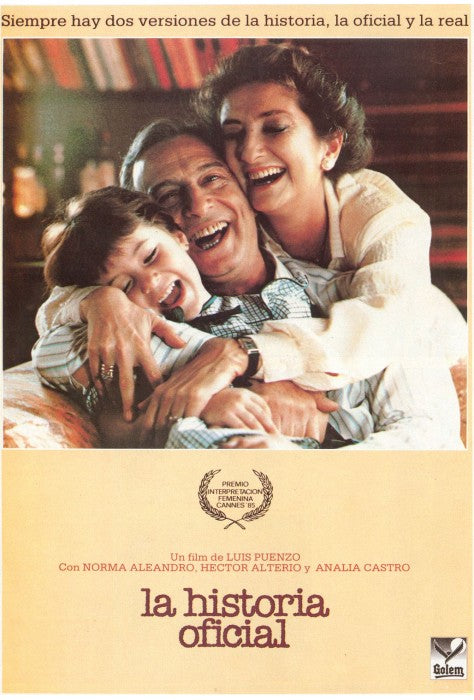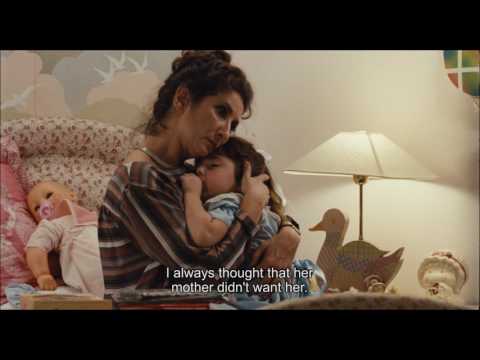
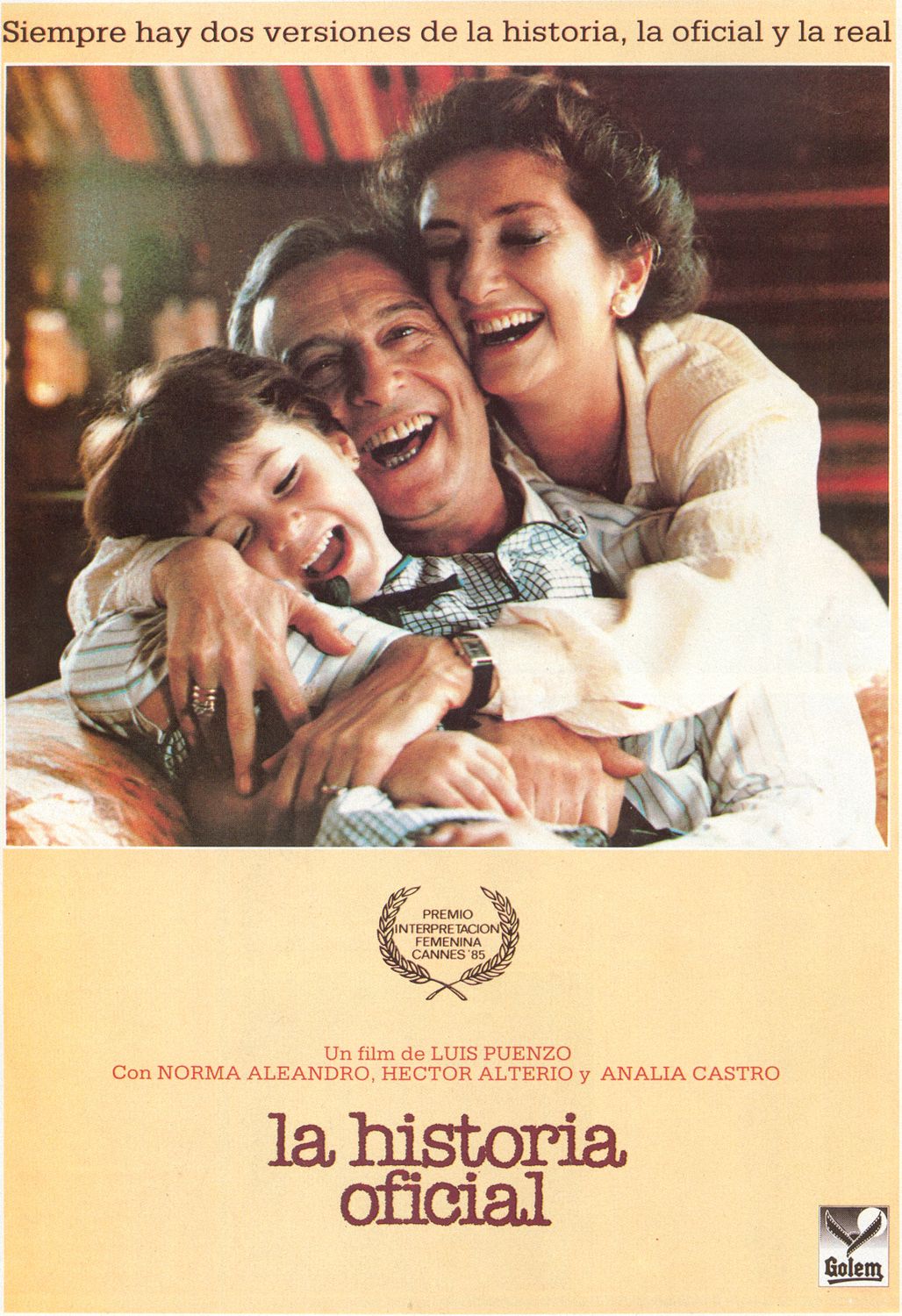
Alicia is a history teacher in Buenos Aires. She teaches official history — the dates, the facts, the sanctioned narrative. And then her adopted daughter Gaby's biological family begins to materialize on the edges of her life, and Alicia has to decide whether to keep teaching the official version of Argentina or to learn the real one. La Historia Oficial won the Academy Award for Best Foreign Language Film in 1986, and it is one of the most pedagogically powerful Spanish films about the relationship between what governments say happened and what actually happened.
For Spanish students, the film operates on two levels simultaneously: as a political thriller about Argentina's dirty war (1976–1983) and as a personal story about a woman whose professional identity is built on a lie she didn't know was a lie. Both levels are linguistically rich. Alicia's classroom Spanish is formal, measured, and pedagogically confident; her home Spanish is increasingly fractured as the truth arrives.
📬 Stay in the loop. New lessons added regularly — join the list to hear when your film is available.
Key Themes for the Classroom
- Official vs. unofficial history — Alicia teaches history but doesn't know it. Ask: ¿Cuál es la diferencia entre la historia oficial y la historia real? And: Is Alicia guilty of complicity, or of ignorance?
- Mothers and identity — The Mothers of the Plaza de Mayo appear in the film. Their presence forces Alicia to ask who Gaby's birth mother was. Ask: ¿Qué le debe Alicia a la madre biológica de Gaby?
- Privilege and amnesia — Alicia and her husband are comfortable because they didn't ask questions. The film is about what it costs to start asking. Ask: ¿Cuándo sabe Alicia la verdad? ¿Cuándo empieza a saber?
Scene to use: Alicia's classroom discussion with her students about history — how it's written, who writes it, and what "official" means. The Spanish is formal, academic, and then suddenly personal when a student asks a question Alicia can't answer the way she would have a year earlier. Ask: ¿Cómo responde Alicia cuando la estudiante cuestiona la historia oficial? What has changed in her?
Low-prep classroom activity: Students write a brief monologue in Spanish from Alicia's perspective — after the film ends, after she knows everything. She is preparing her next history lesson. What does she include now that she left out before? What does she remove? First person, future tense for what she plans to do, past tense for what she knows now.
📅 Teach it when it counts: March 24 — Argentina's Day of Remembrance for Truth and Justice — is the natural date for La Historia Oficial. The film's title is itself the lesson: the "official history" is the version the state wanted taught, and what Alicia discovers is that history is never simply official. Teaching the film on or near March 24 connects students to Argentina's ongoing national conversation about memory, accountability, and what schools are for. That connection makes the film immediate rather than historical.
The full Spanish lesson plan for La Historia Oficial is ready at filmarobics.com/products/historia-oficial — $29.95.
Students walk away from La Historia Oficial having heard Spanish carry the weight of a country's most difficult truth — and having thought seriously about what it means to teach history honestly.
The full Spanish lesson plan for La Historia Oficial is ready at filmarobics.com/products/historia-oficial — $29.95.
📬 Stay in the loop. New lessons added regularly — join the list to hear when your film is available.
Students walk away from La Historia Oficial having heard Spanish carry the weight of a country's most difficult truth — and having thought seriously about what it means to teach history honestly.