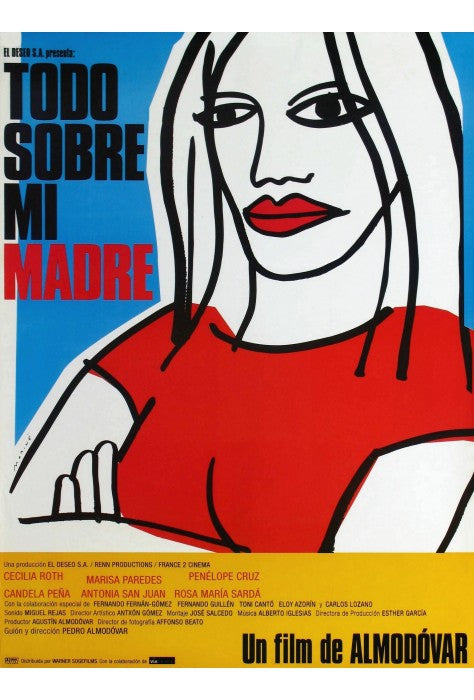

Writing is the skill that shows you what a student actually knows. A student can nod through a listening task and guess through a multiple-choice comprehension exercise. Writing doesn't allow either of those. When a student writes a letter from María to her mother, they are working with the vocabulary they've acquired, the grammar structures they've internalized, and the cultural understanding they've built — and you can see exactly which of those is solid and which needs more work.
📬 Stay in the loop. New lessons added regularly — join the list to hear when your film is available.
Specificity Is the Whole Thing
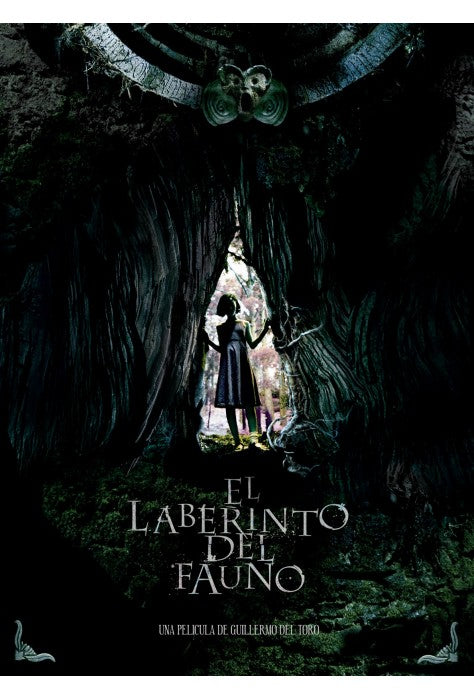
The quality of a writing prompt determines the quality of the writing. "Write about a time you felt alone" produces generic language because the topic is generic. "Write Valentín's diary entry for the last day of the film — what happened, what he feels about it, and the one thing he won't tell his grandmother" produces specific language because the student is working from specific knowledge. They know who Valentín is. They know his grandmother. They know what the last day of the film contains.
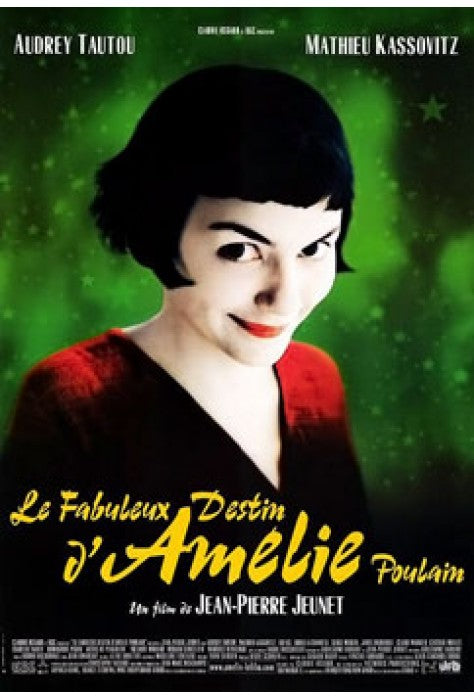
Every writing task in a FilmArobics lesson plan is specific. Not "write about immigration" but "write the conversation Carlos has with himself the morning after he realizes his truck is gone." Not "describe a character" but "write the letter Geneviève sends Guy when she finds out she is pregnant." The specificity is not a constraint on the student's creativity — it's the scaffold that gives creativity something to push against.
Scaffolding for Every Level
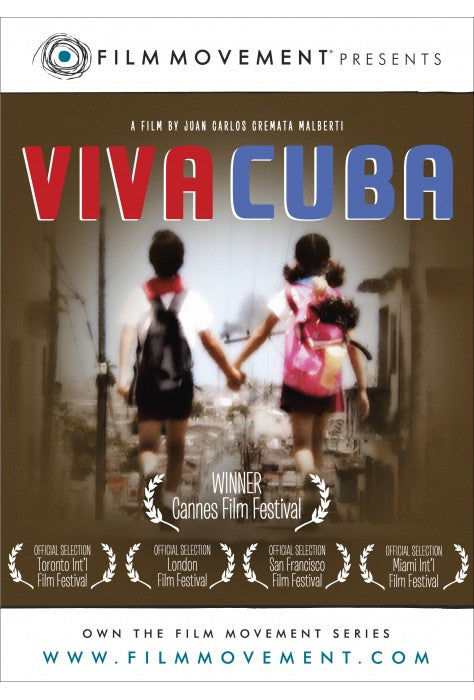
FilmArobics writing tasks are scaffolded to work at different levels of proficiency. A B1 student completing the Viva Cuba unit can write a postcard from Jorgito to Malú — short, in Cuban Spanish, from a child's vocabulary. A B2 student can write the same postcard and add a layer: what does Jorgito leave out, and why? An advanced student can analyze what the postcard reveals about who Jorgito has become.
The lesson plan provides the context. The teacher sets the level of expectation. Students at every level in the class are writing about the same film, in the same world, with the same vocabulary base — which makes peer review and class discussion possible even across proficiency gaps.
Writing for an Audience
The best writing tasks in FilmArobics lesson plans have an imagined audience — not just the teacher with a red pen. When students write a character's letter, the audience is the letter's recipient. When they write a review of the film in the target language, the audience is other students who haven't seen it yet. When they write a continuation of the story, the audience is the characters themselves. Imagined audiences generate register choices and vocabulary decisions that "write this for your teacher" never produces.
Writing as Consolidation
In the pedagogical sequence of a FilmArobics unit — viewing, listening, reading, speaking, then writing — writing comes last because it is consolidation. Students have heard the vocabulary in the film, read it in the cultural notes, spoken it in the discussion activities. Writing makes them produce it independently, without the scaffolding of context, and that independent production is the test of whether acquisition has happened.
When a student writes a paragraph of Spanish that uses the conditional correctly because the story required them to speculate about what might have happened — that is language acquisition. The paragraph proves it.
The full FilmArobics catalog is at filmarobics.com. Every lesson plan includes at least one major writing task, scaffolded for multiple proficiency levels.
📬 Stay in the loop. New lessons added regularly — join the list to hear when your film is available.
Students who write well in a second language have internalized it. The writing task is how you find out.