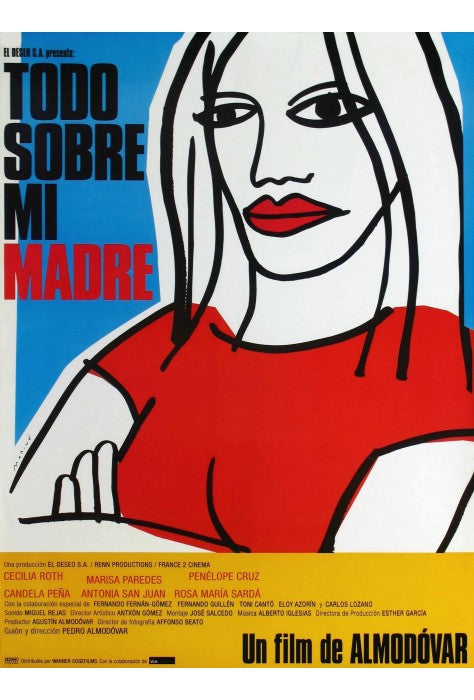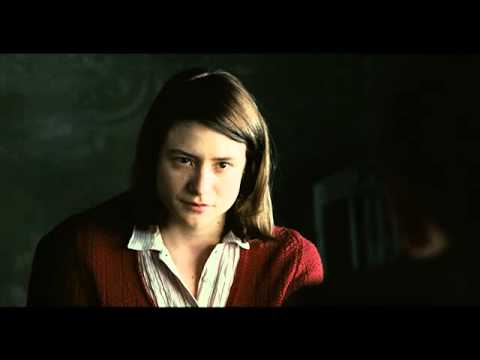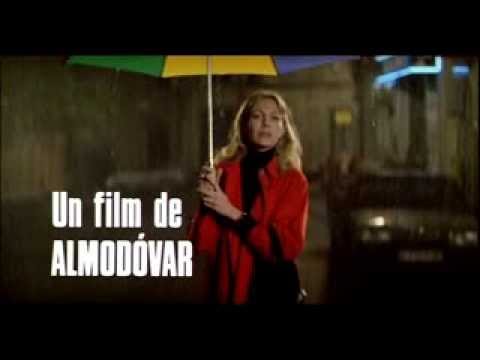

Manuela works as a transplant coordinator in a Madrid hospital. One night she watches a patient's family receive the worst news of their lives — and then watches them agree, in the depths of their grief, to donate their loved one's organs. She is the best at this because she once sat in the chair across the desk. The night after she watches that scene, she loses her own son. What follows is a film about women, survival, grief, and the community we build when the families we were born into have failed or disappeared. Your students will not see anything like it all year.
Todo Sobre Mi Madre (Pedro Almodóvar, 1999) won the Academy Award for Best Foreign Language Film and features Madrid Spanish spoken by women across class, profession, and generation — nurses, actresses, nuns, sex workers, mothers, daughters. The film's Spanish is emotionally direct, adult, and precise. It does not simplify. It also features Catalan, which Almodóvar presents without subtitles within the film — an authentic multilingual Spanish context that advanced students should experience.
📬 Stay in the loop. New lessons added regularly — join the list to hear when your film is available.
Key Themes for the Classroom
- Chosen family and survival: Manuela builds a community of women who have been abandoned, widowed, or dispossessed — and that community saves them all, incompletely. Ask students: what makes someone family if not biology? What Spanish vocabulary describes chosen belonging: el apoyo, la solidaridad, el vínculo, la hermandad?
- Gender and identity in transition: Two major characters are transgender. The film handles this with the same matter-of-fact warmth it handles everything else. Ask students: how does the film's treatment of gender differ from what they see in American media? What does that difference say about cultural context?
- Grief and continuation: Manuela does not stop grieving her son. She also does not stop living. Ask students: what does the film say about how grief and life coexist? How does Spanish express ongoing loss — the imperfect tense, the progressive, seguir + gerund?
- The theater within the film: Almodóvar quotes A Streetcar Named Desire throughout. Manuela once played Stella; now she's older and something else entirely. Ask students: what does the film say about the roles we play versus the people we are?
One Scene to Use
The scene where Manuela tells Huma Rojo — the actress she has tracked down in Barcelona — who she is and what she needs is one of the film's emotional peaks. Two women, strangers, talking across a backstage dressing room, and in five minutes a connection forms that will change both their lives. Watch how the Spanish flows between them: formal address that softens, the use of usted giving way to tú, the moment when the distance between them collapses. That linguistic shift is the scene's emotional pivot, and students can track it.
One Low-Prep Classroom Activity
Manuela is professionally trained to tell people the worst news of their lives. The film's opening shows her running a simulation exercise with medical staff. Give students the scenario — family member of a brain-dead accident victim — and ask them to write, in Spanish, the words Manuela would use. How do you say the unsayable in a language not your own? What vocabulary does Spanish have for this that English might not? The activity is medical Spanish, discourse structure, and emotional register in a single fifteen-minute exercise.
The full Spanish lesson plan for Todo Sobre Mi Madre is ready at filmarobics.com/products/todo-sobre-mi-madre — $29.95.
📬 Stay in the loop. New lessons added regularly — join the list to hear when your film is available.
Students who work through this unit leave with the Spanish of women who have survived difficult things — and the understanding that language, used honestly, is one of the few things that can hold a life together when everything else falls apart.