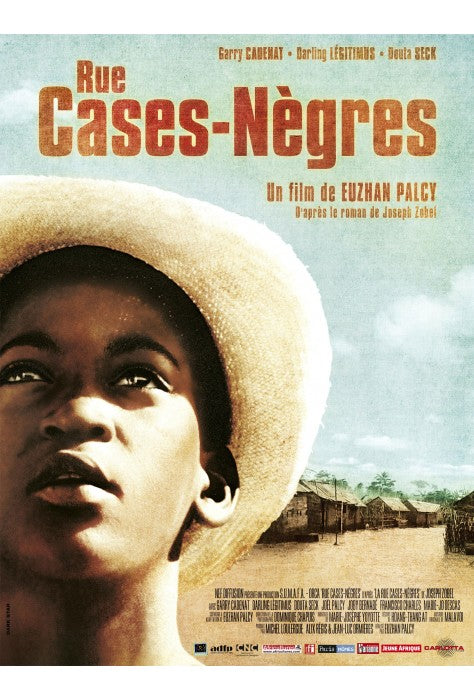
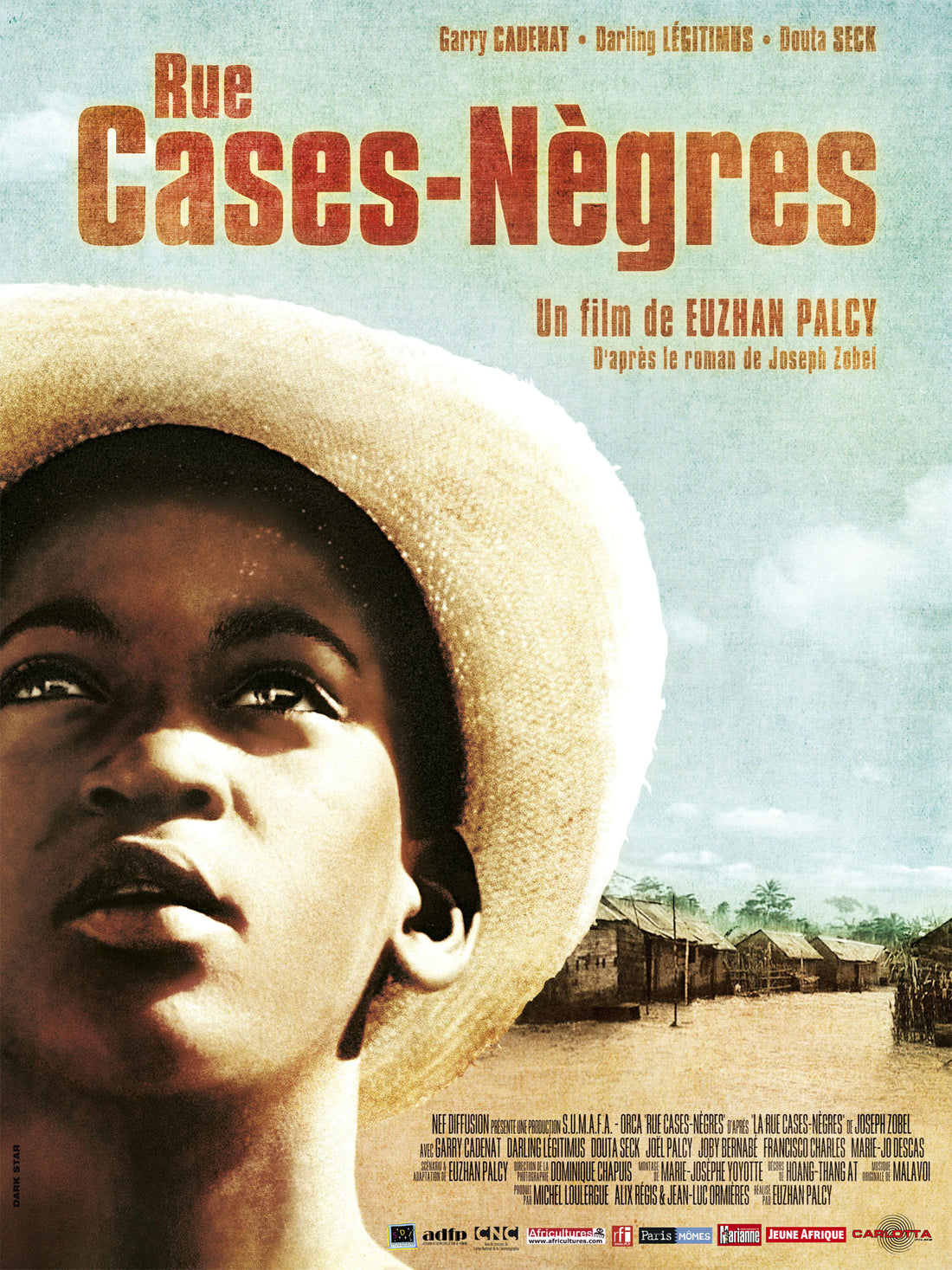
Martinique, 1930s. José is eleven years old, smart beyond anyone's ability to ignore, and being raised by his grandmother Man'Tine in the sugar cane workers' quarters of a plantation. Euzhan Palcy's film is about education as liberation — and specifically about what it costs a poor Black woman to give her grandson the education that she herself never had. Rue Cases-Nègres is one of the most important films in the French Caribbean literary canon, and for a French class it provides access to a world — Martinican French, colonial history, the Caribbean community — that is almost entirely absent from standard French curricula.
For French students, the film offers something that Paris-centered French education almost never does: Antillean French, with its Creole influences and distinct rhythm. Students hear a French that is entirely legitimate and completely different from the French of the textbook, and the film's historical setting connects them to the French colonial Caribbean in a way that is personal rather than statistical.
📬 Stay in the loop. New lessons added regularly — join the list to hear when your film is available.
Key Themes for the Classroom
- Education as resistance — Man'Tine sacrifices everything for José's schooling. Ask: Pourquoi Man'Tine croit-elle tellement en l'éducation? What does it represent for her beyond literacy?
- Colonial French Caribbean — The plantation system in 1930s Martinique is visible in every scene. Ask: Comment la société martiniquaise de cette époque est-elle structurée? Who benefits? Who doesn't?
- Language and identity — José learns French while also maintaining Creole. Ask: Qu'est-ce que José perd et gagne en maîtrisant le français colonial?
Scene to use: Man'Tine's conversation with the school official about José's scholarship application — her complete formal dignity, her careful French, and the official's routine condescension. The gap between her composure and what the encounter costs her is one of the most moving moments in French cinema. Ask: Comment Man'Tine se comporte-t-elle face au fonctionnaire? And: Qu'est-ce que ce comportement lui coûte?
Low-prep classroom activity: Students write a brief letter in French from José to Man'Tine, years later, after he has succeeded. He must thank her for something specific she sacrificed, describe one moment during his childhood when he understood what she was doing, and say one thing he wishes he had said to her while she was still alive. The task produces formal, emotionally rich French writing.
📅 Teach it when it counts: February (Black History Month in North America) and March (La Francophonie month) are natural moments for Rue Cases-Nègres. The film connects both observances: it is simultaneously a story of Black Caribbean history and a story of the French language in the Caribbean. For classes that want to expand their sense of who speaks French and where French lives, this film does more in ninety minutes than a semester of map-reading.
📅 Teach it when it counts: February (Black History Month in North America) and March (La Francophonie month) are natural moments for Rue Cases-Nègres. The film connects both observances: it is simultaneously a story of Black Caribbean history and a story of the French language in the Caribbean. For classes that want to expand their sense of who speaks French and where French lives, this film does more in ninety minutes than a semester of map-reading.
The full French lesson plan for Rue Cases-Nègres is ready at filmarobics.com/products/rue-cases-negres — $29.95.
Students walk away from Rue Cases-Nègres having heard French spoken from the Caribbean — and having understood something about the relationship between language, colonialism, and the price of education that the standard French curriculum never reaches.
The full French lesson plan for Rue Cases-Nègres is ready at filmarobics.com/products/rue-cases-negres — $29.95.
📬 Stay in the loop. New lessons added regularly — join the list to hear when your film is available.
Students walk away from Rue Cases-Nègres having heard French spoken from the Caribbean — and having understood something about the relationship between language, colonialism, and the price of education that the standard French curriculum never reaches.