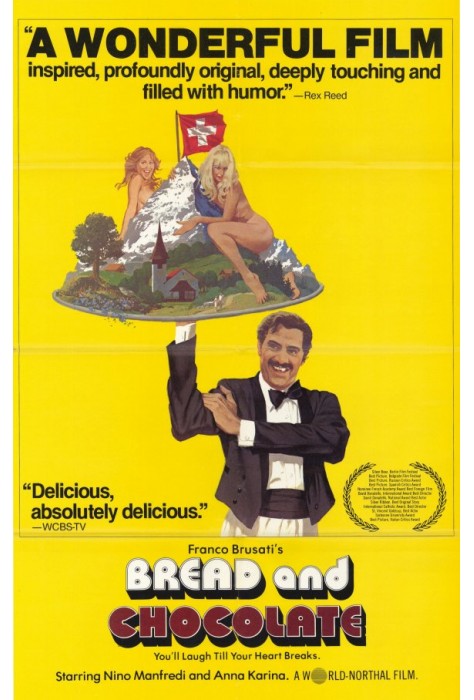
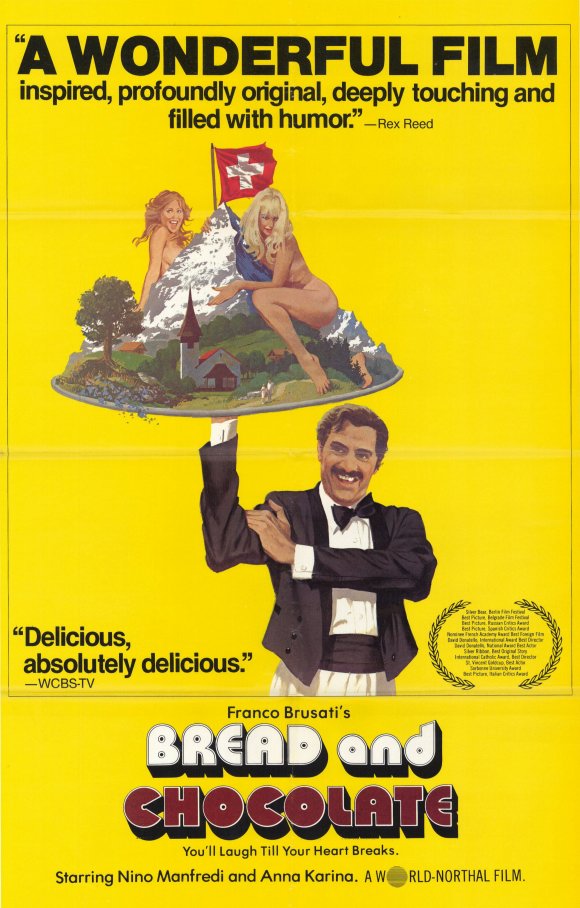
Giovanni Garofoli is a Neapolitan immigrant working in Switzerland. He wants to stay. Switzerland doesn't want him to stay — not officially, not really, and not in the comfortable middle-class way that Giovanni imagines when he dreams of assimilating. Franco Brusati's 1973 film is one of the sharpest, funniest, and most unsettling Italian films about immigration, and it belongs in any Italian class that wants to discuss what it actually means to live in someone else's country.
For Italian students, the film's language is deliberately stratified. Giovanni speaks in broad Neapolitan Italian — warm, expressive, southern — while the Swiss characters speak in German and formal Italian. The gap between Giovanni's Italian and the Italian that Switzerland considers appropriate is itself the subject of the film: language as the evidence of where you come from, and the impossible task of becoming someone else through language alone.
📬 Stay in the loop. New lessons added regularly — join the list to hear when your film is available.
Key Themes for the Classroom
- Assimilation and identity — Giovanni tries to become Swiss. The film asks whether that's possible and whether it's desirable. Ask: Cosa perde Giovanni quando cerca di assimilarsi? What does he give up for a belonging that never quite arrives?
- Immigration and dignity — Giovanni faces constant humiliation — legal, social, and personal. Ask: Come mantiene Giovanni la sua dignità nonostante tutto? And: Can dignity survive total social rejection?
- Comedy and tragedy as immigrant experience — The film is funny. It's also devastating. Ask: Perché Brusati usa la commedia per raccontare questa storia? What does humor allow that drama doesn't?
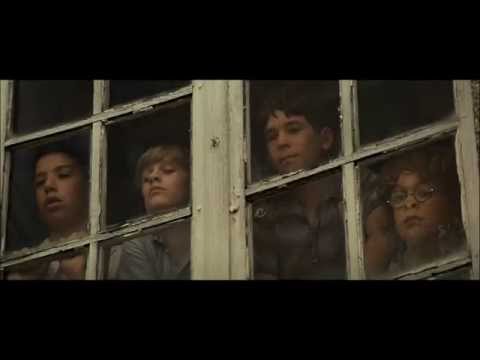
Scene to use: Giovanni watching a group of Swiss Germans through a window — their clean clothes, their easy lives, their confidence — and then his reflection appearing in the same glass. The scene has no dialogue, but the Italian of Giovanni's voiceover (in versions that use it) captures the immigrant's specific envy: not hatred, but longing for what others have without effort. Ask students: What does Giovanni want that he's watching through the glass?
Low-prep classroom activity: Students write a brief letter in Italian from Giovanni to his family in Naples — describing Switzerland without admitting how hard things are, because he doesn't want them to worry. He must paint a picture that is technically true and emotionally misleading. The constraint produces indirect Italian writing with the specific register of immigrant pride and concealment.
What to listen for: The film's central comic tragedy is Giovanni's Italian — warm, expressive, and completely wrong for the Switzerland he wants to belong to. Swiss German colleagues speak with the efficiency of a country that values discretion; Giovanni speaks with the expressiveness of a culture that values connection. The gap between those two communication styles is the film's argument. Ask students: Cosa fa Giovanni per sembrare più svizzero? The specific things he tries to change about himself map the cultural misfit in linguistic terms.
The full Italian lesson plan for Pane e Cioccolata is ready at filmarobics.com/products/pane-e-cioccolata — $29.95.
Students walk away from Pane e Cioccolata having heard Italian carry the specific weight of wanting to belong somewhere you weren't born — and having understood something about immigration that statistics can't convey.
The full Italian lesson plan for Pane e Cioccolata is ready at filmarobics.com/products/pane-e-cioccolata — $29.95.
📬 Stay in the loop. New lessons added regularly — join the list to hear when your film is available.
Students walk away from Pane e Cioccolata having heard Italian carry the specific weight of wanting to belong somewhere you weren't born — and having understood something about immigration that statistics can't convey.