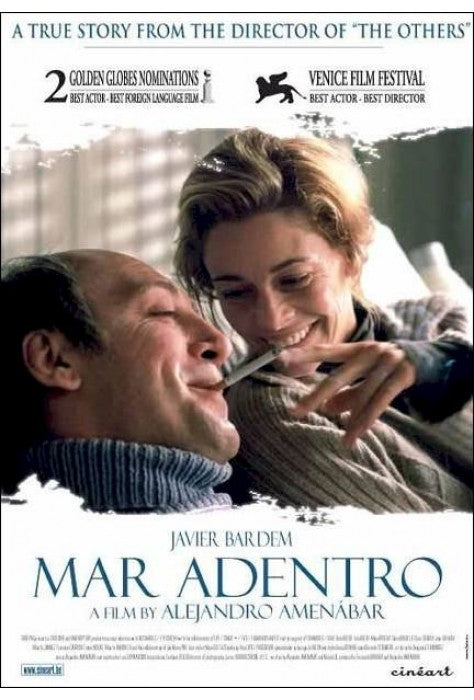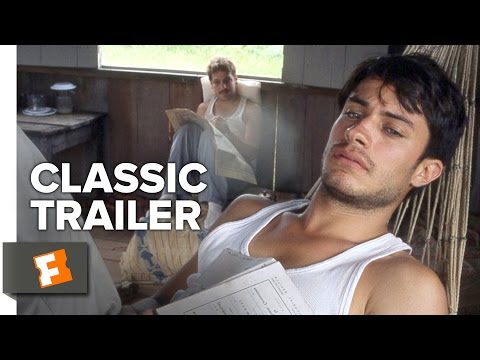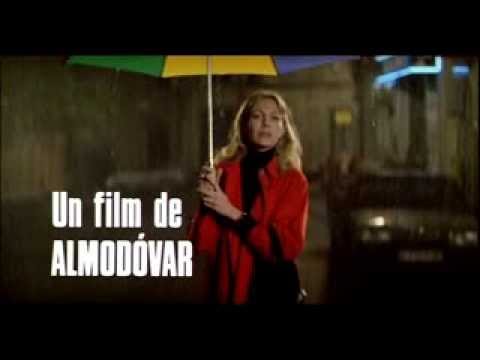
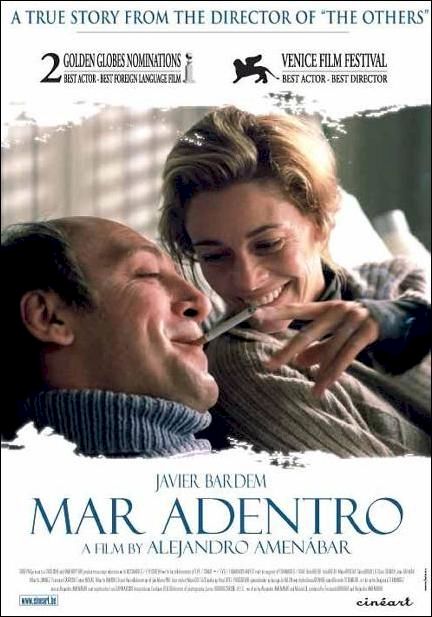
Ramón Sampedro has been quadriplegic for 28 years — the result of a diving accident in the sea off Galicia. He has spent those years writing poetry, giving interviews, fighting in court for the right to die. He is charming, warm, intellectually luminous, and absolutely certain about what he wants. He is also wrong, according to almost everyone around him. Your students will enter this film with opinions and leave it with questions — which is the only transformation worth engineering in a language classroom.
Mar Adentro (Alejandro Amenábar, 2004) won the Academy Award for Best Foreign Language Film and features Galician Spanish — standard Castilian with a softness around the consonants and a lyricism in the phrasing that reflects Galicia's Celtic and maritime heritage. The film's pacing is meditative, which means students have time to track the language even in complex dialogue. Ramón's poetry sequences offer the richest Spanish vocabulary in any film available to classroom teachers.
📬 Stay in the loop. New lessons added regularly — join the list to hear when your film is available.
Key Themes for the Classroom
- Dignity and autonomy: Ramón argues that the right to live includes the right to choose not to. Ask students: does the state have the right to prevent someone from ending their own life? This is an advanced ethical discussion that requires precise Spanish — la dignidad, la autonomía, el derecho, la ley, la vida, la muerte.
- Love without resolution: Two women love Ramón — Julia, who understands his choice, and Rosa, who is trying to change it. Neither wins. Ask students: what does the film say about love when it can't fix anything?
- The body as prison and home: Ramón's recurring dream — flying from his bed to the sea — is one of cinema's most beautiful sequences. Discuss: what does the sea represent to Ramón? What does his bedroom represent? How does Spanish vocabulary for the body, for the sea, for freedom work in these dream sequences?
- The Church and Spanish society: A quadriplegic priest visits Ramón to argue against his choice — and Ramón's response is devastating. Use this scene to discuss the historical role of the Catholic Church in Spanish public life.
One Scene to Use
The "flight to the sea" dream sequence — where Ramón imagines flying from his bedroom window through the Galician countryside to the ocean, swimming underwater, surfacing to find Julia — is stunning cinema and linguistically rich. Ramón's voiceover poetry in this sequence is among the finest Spanish verse in any film. Transcribe it, work through it word by word, and ask students to write a response poem — one stanza, in Spanish — from Julia's perspective.
One Low-Prep Classroom Activity
Ramón's letters and poems are read aloud in the film. Select one short passage (the film's press materials include several transcriptions). Give students the poem with ten words blanked out. They fill in the blanks before watching the sequence, then compare their choices to Ramón's. The gap between what students wrote and what he wrote is the vocabulary lesson — and a window into how a mind shaped by 28 years of bed rest uses language.
The full Spanish lesson plan for Mar Adentro is ready at filmarobics.com/products/mar-adentro — $29.95.
📬 Stay in the loop. New lessons added regularly — join the list to hear when your film is available.
Students who work through this unit leave with Spanish vocabulary rooted in one of the most honest conversations about life and death that any film has managed — in any language.