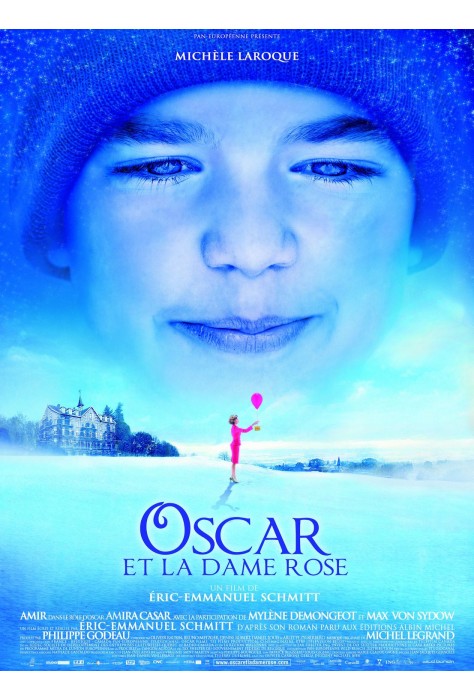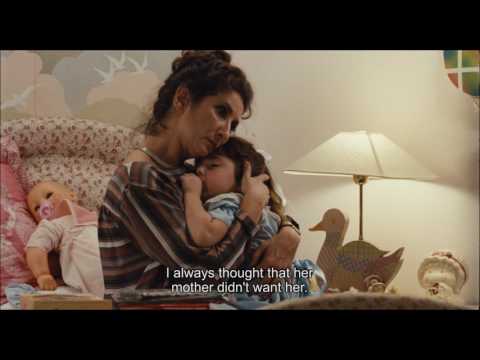

Oscar is ten years old and has leukemia. He has stopped speaking to his parents — they can't manage looking at him without falling apart, and he's tired of managing their grief on top of his own. His new friend is Mamie Rose, a volunteer who visits the hospital and lies brilliantly about her past as a world-class wrestler. Éric-Emmanuel Schmitt's film is based on his own novella, and it is one of the most unusual films about childhood illness available: funny, direct, and utterly without sentimentality.
For French students, the film offers two completely different French voices in sustained conversation: Oscar's direct, unsparing child French and Mamie Rose's warm, exaggerated, story-telling adult French. The letters Oscar writes to God — the film's structural device — are a masterclass in the French of honest self-examination: a child being more honest about his situation than any adult in the film.
📬 Stay in the loop. New lessons added regularly — join the list to hear when your film is available.
Key Themes for the Classroom
- Facing mortality — Oscar knows he is going to die. The film doesn't protect him from this knowledge; it gives him better company. Ask: Comment Oscar fait-il face à la mort? What does Mamie Rose give him that his parents can't?
- Honesty and protection — Oscar's parents can't be honest with him because they're too frightened. Ask: Ont-ils tort? Is there a version of protection that is honest?
- Prayer and meaning — Oscar writes to God every day for twelve days, each day representing ten years of a life. Ask: À qui s'adresse vraiment Oscar dans ses lettres? And: What does the writing do for him?
Scene to use: Oscar's first letter to God — direct, slightly cross, and completely honest about his situation, his feelings, and what he wants. The French is simple, first-person, present and future tense, and contains some of the most honest language in the film. Ask: Qu'est-ce qu'Oscar dit à Dieu que ses parents ne peuvent pas lui dire? Students identify the honesty gap between Oscar and the adults around him.
Low-prep classroom activity: Students write their own letter in French — to God, or to the universe, or to a future version of themselves — from the perspective of someone who has been told something difficult and is trying to process it. Oscar's format: direct address, honest inventory of feelings, one request, one observation about something they just figured out. Short, first person, and completely honest.
What to listen for: Oscar writes letters to God throughout the film — formal, direct, and often funny correspondence with a recipient he takes completely seriously. Those letters are read aloud, which means students hear the French of epistolary writing: the opening address, the body of the letter, the specific French of someone explaining their life to a recipient who already knows everything but should be told anyway. Ask students to write a brief letter in French in Oscar's voice — to God, to a teacher, to someone they haven't thanked. The model is in the film; the writing is theirs.
The full French lesson plan for Oscar et la Dame Rose is ready at filmarobics.com/products/oscar-et-la-dame-rose — $29.95.
Students walk away from Oscar et la Dame Rose having heard French carry a ten-year-old's conversation with his own mortality — with more honesty and humor than most adults manage — and having written something true themselves.
The full French lesson plan for Oscar et la Dame Rose is ready at filmarobics.com/products/oscar-et-la-dame-rose — $29.95.
📬 Stay in the loop. New lessons added regularly — join the list to hear when your film is available.
Students walk away from Oscar et la Dame Rose having heard French carry a ten-year-old's conversation with his own mortality — with more honesty and humor than most adults manage — and having written something true themselves.