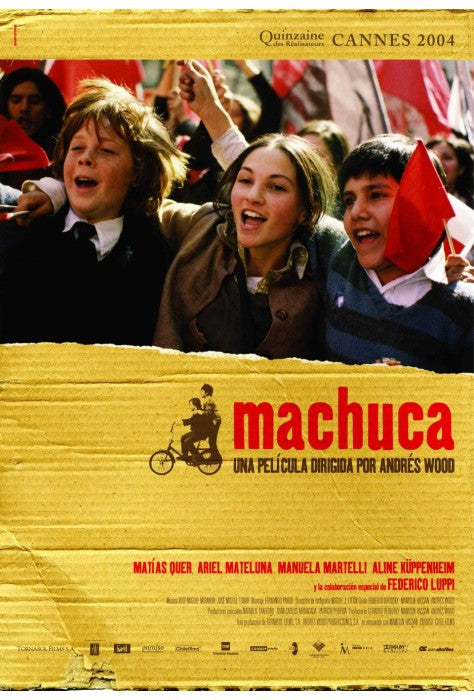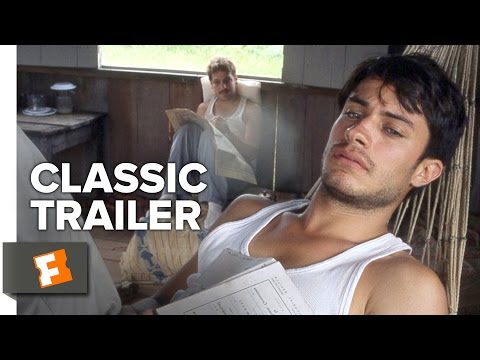
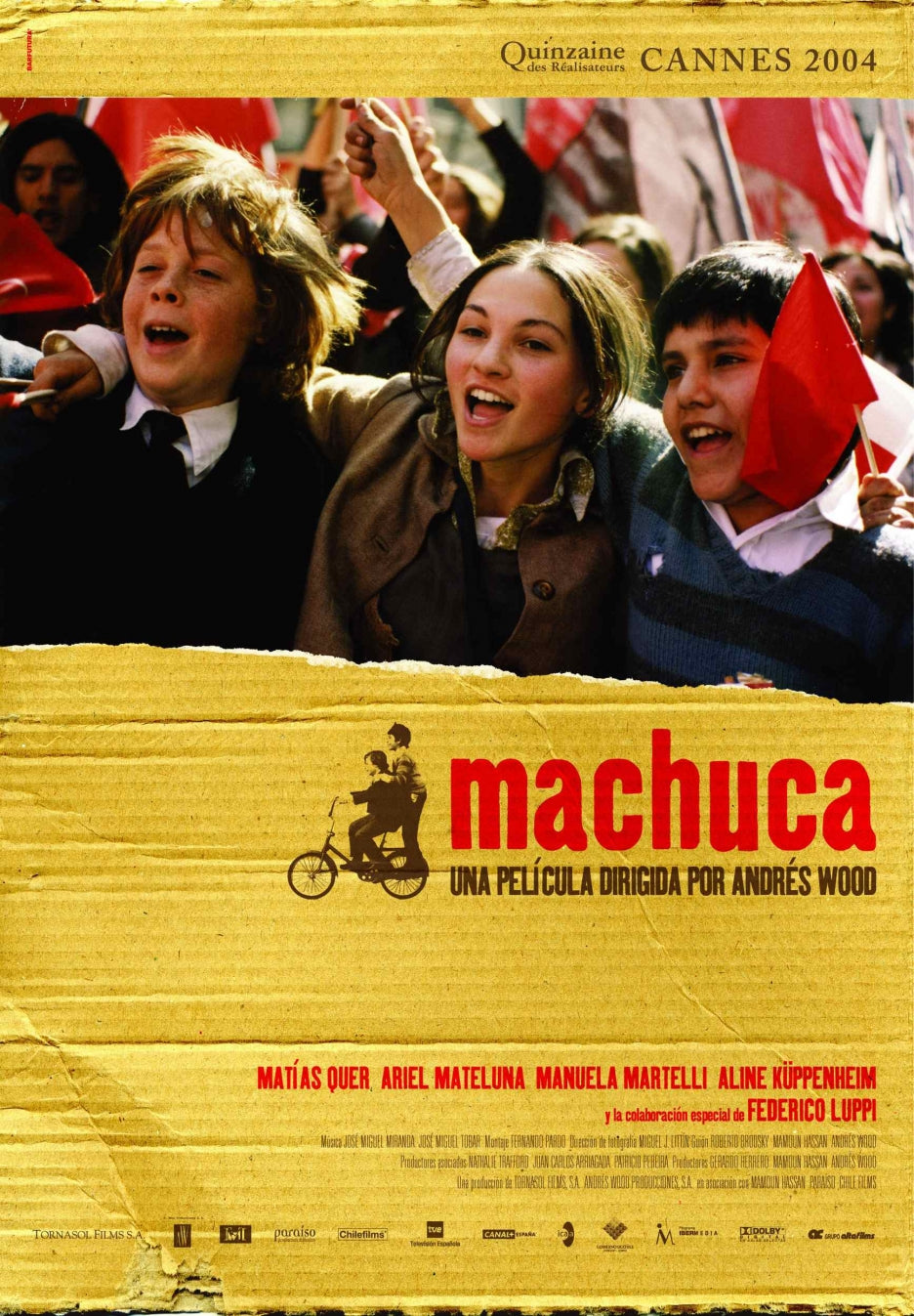
Santiago, Chile, 1973. A few months before the coup. Pedro Machuca is from a poor neighborhood; Gonzalo Infante is from an upper-middle-class family. A progressive priest has created a program that brings working-class children into the wealthy Catholic school on full scholarship. The two boys become friends. And then September 11th arrives — the Chilean September 11th, 1973 — and everything changes. Machuca is one of the finest films about Chile's political rupture available, and it approaches history through the closest thing cinema has: two boys on a bicycle in the weeks before everything ends.
For Spanish students, the film's Chilean Spanish is one of the most specific in the catalog — the Santiago of 1973, with its class-marked vocabulary, its political temperature, and the specific way Chilean Spanish encodes social status. Students hear how the same language sounds different depending on whose house you grew up in and what your parents voted for.
📬 Stay in the loop. New lessons added regularly — join the list to hear when your film is available.
Key Themes for the Classroom
- Class and friendship — Pedro and Gonzalo are friends across a line that their society considers uncrossable. Ask: ¿Qué permite su amistad? And: What ends it?
- Political polarization — The film shows Chile in the months before the coup as a society that has stopped talking across its divisions. Ask: ¿Cómo se divide la sociedad chilena en la película? Where do the dividing lines run?
- Childhood and historical rupture — September 11, 1973 ends the story. Ask: ¿Por qué cuenta Andrés Wood esta historia desde el punto de vista de los niños? What do children see that adults don't?
Scene to use: The two boys at the Machuca family's neighborhood rally for Allende — Gonzalo completely out of place, Pedro at home, both of them feeling the world their families inhabit. The Chilean Spanish in this scene is politically charged and socially specific. Ask: ¿Cómo sabe el espectador de qué clase social es Gonzalo sin que nadie lo diga? Students identify the linguistic and behavioral markers.
Low-prep classroom activity: Students write a brief letter in Spanish from Gonzalo to Pedro — after the coup, after they've been separated by events neither chose. He must say one thing he's sorry for, one thing he doesn't know how to explain, and one thing he hopes Pedro understands. Past tense, first person, and the specific vocabulary of political rupture and lost friendship.
📅 Teach it when it counts: September 11 is the anniversary of the 1973 Chilean coup — a date that carries meaning in Chilean history as significant as its more recent connotation. Teaching Machuca in September contextualizes the film within a living Chilean national conversation. The film was released in 2004 and immediately became one of Chile's most-watched domestic films — students who know this understand that Chilean society is still processing 1973, which is the most important thing the film can teach.
The full Spanish lesson plan for Machuca is ready at filmarobics.com/products/machuca — $29.95.
Students walk away from Machuca having heard Chilean Spanish carry one of history's most important political ruptures through two boys on a bicycle — and having thought seriously about what friendship survives when the world it was built in disappears.
The full Spanish lesson plan for Machuca is ready at filmarobics.com/products/machuca — $29.95.
📬 Stay in the loop. New lessons added regularly — join the list to hear when your film is available.
Students walk away from Machuca having heard Chilean Spanish carry one of history's most important political ruptures through two boys on a bicycle — and having thought seriously about what friendship survives when the world it was built in disappears.