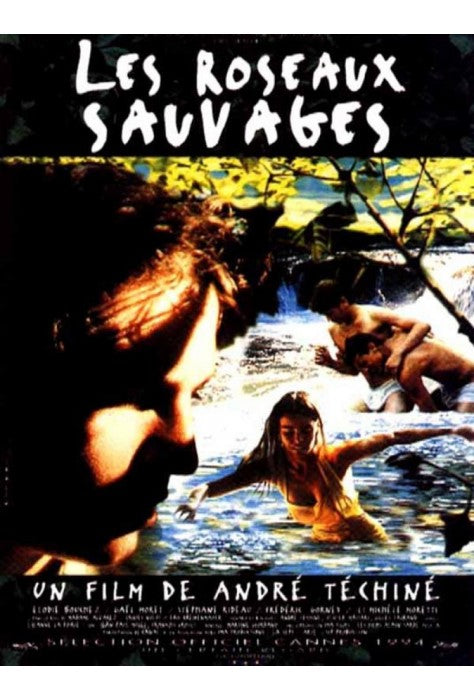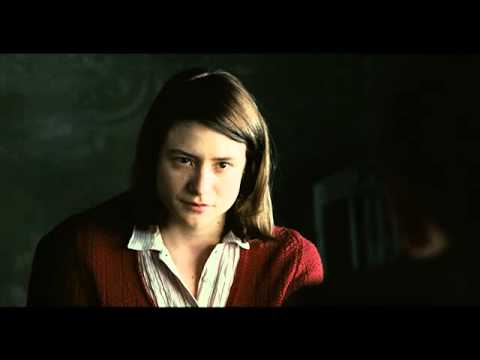

Four teenagers in rural southwest France in 1962: François, who is discovering he is gay; Maïté, his best friend, who is a Communist; Serge, whose brother has just died in Algeria; and Malika, whose parents came from Algeria. André Téchiné's Les Roseaux Sauvages (1994) puts four people whose lives are shaped by forces they didn't choose into the same small space and watches what happens. It is one of the most quietly extraordinary French films in the catalog and one of the most rewarding for advanced students.
For French students, the film offers the French of the early 1960s in the southwest — a specific regional register, distinctly different from Parisian French, that gives students exposure to France's linguistic geography. The film's four protagonists speak differently to each other depending on context, and tracking those register shifts is one of the film's great pedagogical gifts. It is appropriate for B2 level and above and works particularly well with students who have already covered some French history.
📬 Stay in the loop. New lessons added regularly — join the list to hear when your film is available.
Key Themes for the Classroom
- The Algerian War — The war is the film's backdrop and its wound. Serge's brother died there; Malika's family came from there. Discussion: Comment la guerre d'Algérie affecte-t-elle différemment chaque personnage?
- Sexuality and identity — François is discovering who he is in a time and place that does not make it easy. Discussion: Qu'est-ce que François risque en étant honnête avec lui-même?
- Politics and adolescence — Maïté's communism is sincere and adolescent at the same time. Discussion: Peut-on avoir de vraies convictions politiques à seize ans?
- Friendship and desire — The four teenagers are drawn together by the same forces that push them apart. Discussion: Peut-on être ami·e avec quelqu'un qu'on désire?
One Scene to Use
The long scene on the riverbank, where François and Serge have their first real conversation — two people who have no reason to like each other, finding that they need each other — is the film's emotional center. The French in this scene is careful, tentative, full of things not quite said. It is excellent material for a listening exercise focused on implication and register.
One Low-Prep Classroom Activity
Ask students to choose one of the four characters and write their journal entry for the last day of the film. What language do they use to describe the summer? What do they think they understand now that they didn't before? Comparing four journal entries in class generates rich discussion about perspective and the limits of individual understanding.
What to listen for: André Téchiné's film is set in 1962, the year the Algerian War ended, and the French of the characters reflects their different relationships to that war: the pied-noir refugee speaks the French of someone who has lost a country; the Communist student speaks the French of ideological certainty; and the two who are falling in love speak the French of people who don't yet have a political language for what they're feeling. Ask students to identify which character speaks with the most political vocabulary, and what that says about the character.
The full French lesson plan for Les Roseaux Sauvages is ready at filmarobics.com/products/teach-les-roseaux-sauvages-french-class — $29.95.
Students finish this unit with vocabulary for identity, history, and friendship — and a summer's worth of questions that don't resolve cleanly, which is exactly what good literature gives you.
The full French lesson plan for Les Roseaux Sauvages is ready at filmarobics.com/products/teach-les-roseaux-sauvages-french-class — $29.95.
📬 Stay in the loop. New lessons added regularly — join the list to hear when your film is available.
Students finish this unit with vocabulary for identity, history, and friendship — and a summer's worth of questions that don't resolve cleanly, which is exactly what good literature gives you.