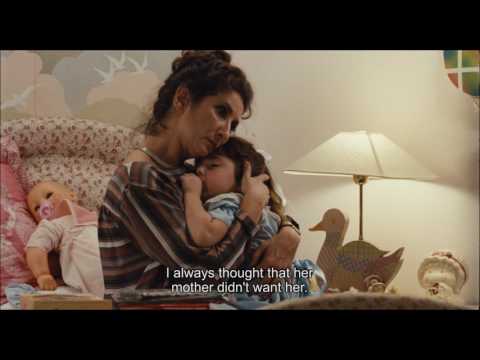

Jess Bhamra is eighteen, British-Indian, a brilliant footballer, and forbidden by her family to play. Her friend Jules is seventeen, her coach Joe is a dream she can't pursue, and the World Cup is on television. Bend It Like Beckham is a film about three kinds of pressure — family, culture, and personal ambition — and it handles all three with enough humor and specificity that students who have felt any one of them recognize it immediately. For an ESL class, the film has the additional virtue of being set in a multicultural London suburb where English is spoken in half a dozen registers simultaneously.
British English comes in many varieties, and Bend It Like Beckham is one of the best films available for exposing ESL students to real British English: the Southall Punjabi-British English of Jess's family, the working-class English of Jules's mother, the professional sports English of the coach, and the teen slang that cuts across all of it. Students who have learned "textbook British English" hear, in this film, what British English actually sounds like when it's doing something.
📬 Stay in the loop. New lessons added regularly — join the list to hear when your film is available.
Key Themes for the Classroom
- Cultural identity and personal ambition — Jess wants something her culture says women shouldn't want. Ask: What does Jess owe her family? What does she owe herself? Is there a middle ground?
- Gender and sport — Jules faces a different version of the same pressure: her mother wants her to be more feminine. Ask: How are Jess's and Jules's situations similar? How are they different?
- Immigration and belonging — Jess's family came from India; she was born in England. Ask: How does Jess's generation experience Britain differently from her parents'? What has been gained? What has been lost?
Scene to use: Jess's mother discovering her at the football match — the confrontation in front of the other players and coaches. The English in this scene is charged, cross-cultural, and full of the specific vocabulary of family expectation and personal shame. Ask students: What is Jess's mother really afraid of? And: Is she wrong to be afraid of it? The two questions produce different discussions.
Low-prep classroom activity: Students write a brief speech in English — as Jess, at the breakfast table, trying to convince her parents to let her play. She must acknowledge their concerns (using the vocabulary of respect and family obligation), explain her point of view (using the vocabulary of personal ambition and fairness), and end with a compromise proposal. The constraint produces persuasive English in a culturally grounded context.
What to listen for: The film contains three distinct Englishes: Jess's British-Indian English (influenced by her family's Punjabi patterns), her coach Joe's Irish-accented English, and her best friend Jules's working-class South London English. None of these is Standard British English, and all three are completely legitimate. Ask students to identify each character's English and describe one feature that distinguishes it from the others. The exercise teaches students that English is a family of varieties — and that understanding real English means learning to listen across all of them.
The full ESL lesson plan for Bend It Like Beckham is ready at filmarobics.com/products/bend-it-like-beckham — $29.95.
Students walk away from Bend It Like Beckham having heard British English carry the weight of family, ambition, and the specific negotiations of a multicultural life — and having argued in English about what belonging actually requires.
The full ESL lesson plan for Bend It Like Beckham is ready at filmarobics.com/products/bend-it-like-beckham — $29.95.
📬 Stay in the loop. New lessons added regularly — join the list to hear when your film is available.
Students walk away from Bend It Like Beckham having heard British English carry the weight of family, ambition, and the specific negotiations of a multicultural life — and having argued in English about what belonging actually requires.