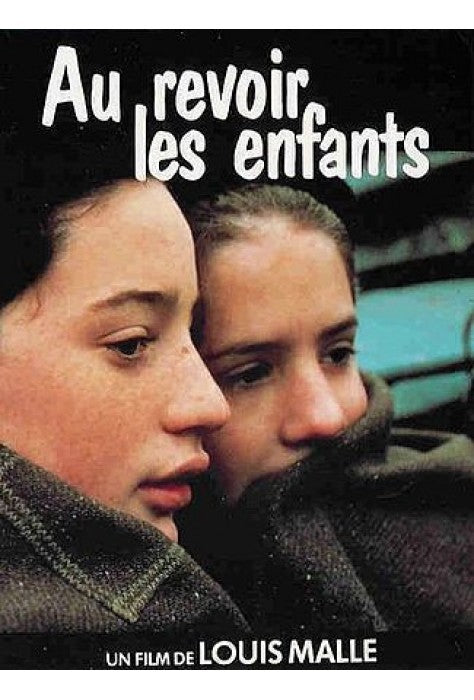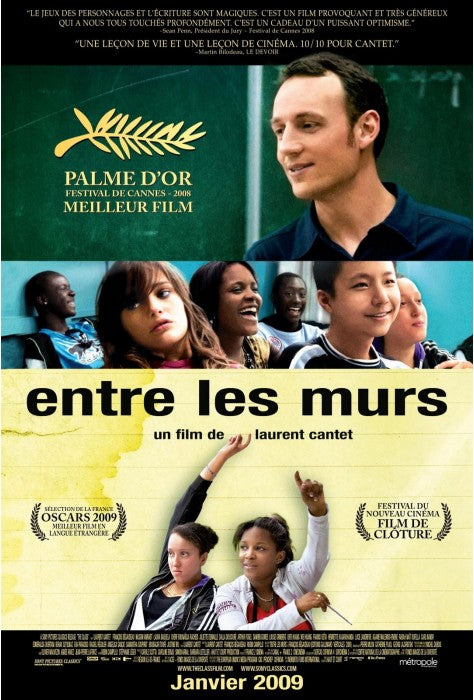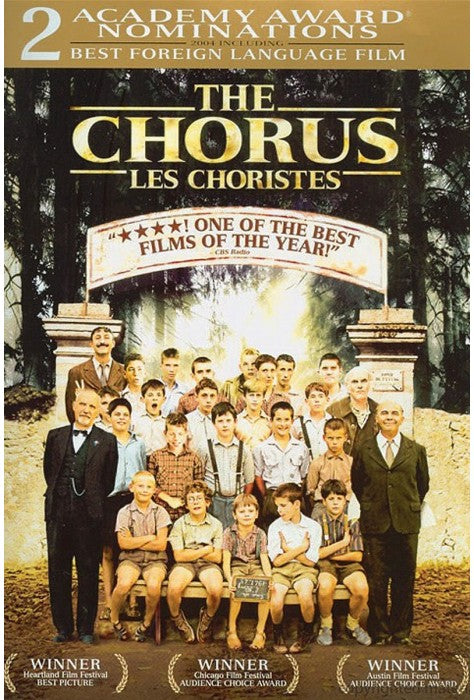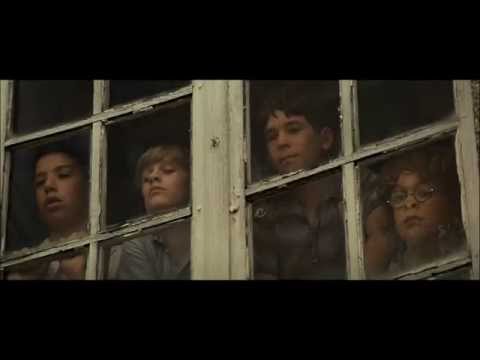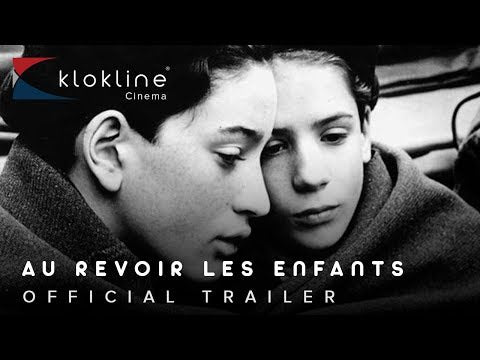
The final scene. German soldiers enter the school. Father Jean walks the boys to the door. He turns at the threshold: "Au revoir, les enfants." The doors close. The narrator speaks, and the screen goes to black. Your students will not be ready for that ending. And in the silence that follows, something shifts. That's the moment when French class becomes about something bigger than French.
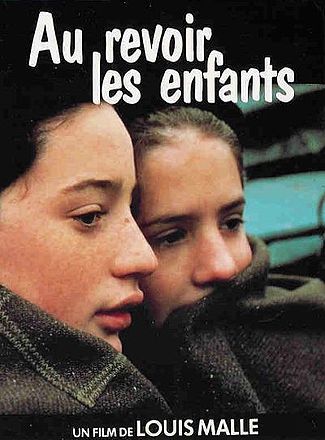
Au Revoir les Enfants (Louis Malle, 1987) is drawn from Malle's own childhood memory — a true story of a Catholic boarding school in occupied France that hid Jewish boys from the Nazis. The French is period-accurate, upper-class, spoken by children and adults in a school setting — which means the register is actually accessible to students. And the emotional weight is absolute. Students who have never cared about World War II will care about Julien and Jean Bonnet.
📬 Stay in the loop. New lessons added regularly — join the list to hear when your film is available.
Key Themes for the Classroom
- Guilt and complicity: Malle made this film because he believed he accidentally revealed Jean Bonnet's hiding place as a child. Ask students: can a child be guilty of a mistake made in ignorance? How does French express culpability — and how do we talk about things we wish we hadn't done?
- Friendship across difference: Julien and Jean are competitors first, then rivals, then friends — without ever quite naming it. Discuss how French boys in 1944 would have navigated friendship, class, religion. What language would they use?
- Occupied France as everyday reality: The film is remarkable for its normalcy. School continues, meals happen, boys play. The occupation is background — until it isn't. Ask students: what does it mean to carry on when everything is wrong?
- What we choose not to see: Several adult characters in the film know the boys are hidden and say nothing. One collaborates. Ask students what conditions make people look away — and what conditions make them act.
One Scene to Use
The restaurant scene — where Julien, Jean, and Father Jean dine out and encounter both a collaborator and a Jewish man being harassed by militiamen — is a masterclass in tension. Practically nothing is said directly. The scene works entirely through glances, silences, and what isn't said. Use it to teach the French of subtext: vous semblez, c'est que, je préfère ne pas...
One Low-Prep Classroom Activity
Before the final scene, stop the film. Give students five minutes to write — in French — what they think will happen. Read the predictions aloud. Then finish the film. The gap between what students predicted and what actually happens is where the discussion lives.
The full French lesson plan for Au Revoir les Enfants is ready at filmarobics.com/products/au-revoir-les-enfants — $29.95.
📬 Stay in the loop. New lessons added regularly — join the list to hear when your film is available.
Students who work through this unit leave knowing that French is not just a beautiful language — it's a language in which terrible things happened to real people, and in which those people found words for what they were going through.