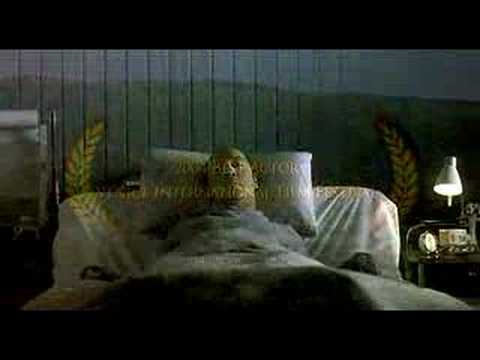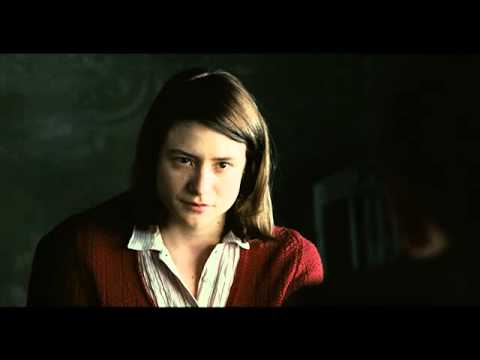

Lara's parents are deaf. She has been their interpreter since she could talk — translating their world into German and the German world into sign language. When she discovers a clarinet and decides to become a musician, she is choosing a language her parents can never share. That fracture — between love and vocation, between family and self — is one of the most honest stories a German class can spend time with.
Jenseits der Stille (Caroline Link, 1996) received an Academy Award nomination for Best Foreign Language Film and features contemporary German spoken across registers: the formal language of music conservatories, the warm domestic German of family life, and the German Sign Language that runs alongside the spoken dialogue throughout the film. Students hear German used by hearing and deaf characters in the same scene, which is a genuinely unusual and valuable ear-training context.
📬 Stay in the loop. New lessons added regularly — join the list to hear when your film is available.
Key Themes for the Classroom
- Language and belonging: Lara's clarinet is a language her parents cannot hear. Ask students: what does it mean to love something that excludes someone you love? What German vocabulary describes that bind: die Pflicht, die Berufung, der Konflikt, die Schuld?
- Disability and family communication: Lara's parents communicate fully and richly — but differently. Discuss how the film challenges assumptions about what hearing loss means for a full life.
- Ambition and guilt: Lara wants to leave for Berlin and pursue music. Her parents want her to stay. Ask students: at what age does a child's ambition stop being the family's business?
One Scene to Use
The scene where Lara plays clarinet for her father for the first time — and he places his hand on the instrument to feel the vibration — is one of German cinema's most tender moments. After watching it, ask students: what is the father feeling? Write it in German. What vocabulary does German have for experiencing music through touch rather than sound?
One Low-Prep Classroom Activity
Give students five German musical terms used in the film — das Konzert, proben, das Talent, der Takt, die Melodie — and five German family/emotion terms: die Pflicht, vermissen, enttäuschen, verstehen, gehören. They write one German sentence combining one term from each list. The constraint forces students to build meaning across two vocabularies, which is exactly what the film does.
The full German lesson plan for Jenseits der Stille is ready at filmarobics.com/products/jenseits-der-stille — $29.95.
📬 Stay in the loop. New lessons added regularly — join the list to hear when your film is available.
Students who work through this unit leave understanding that German is a language of emotional precision — and that some of the most important things it can say are about what we owe the people we love when we need to become someone they didn't plan for.