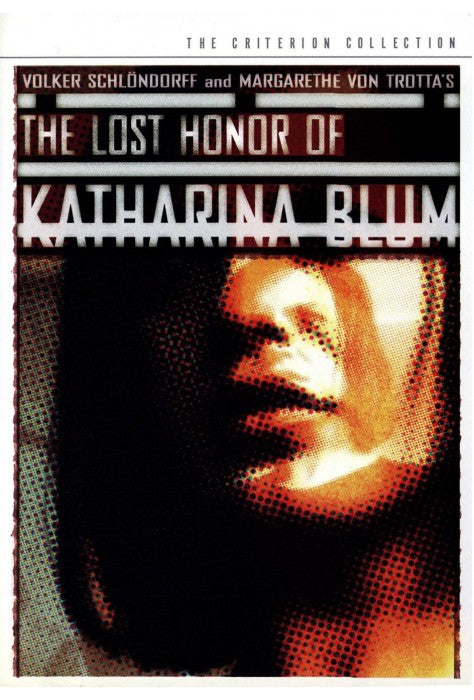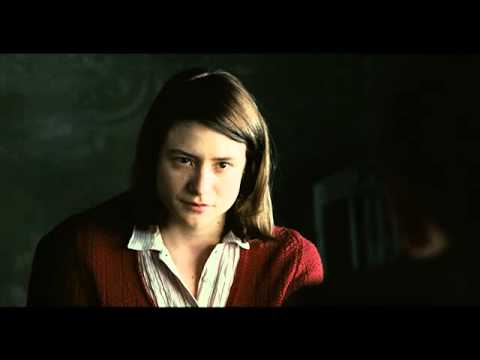
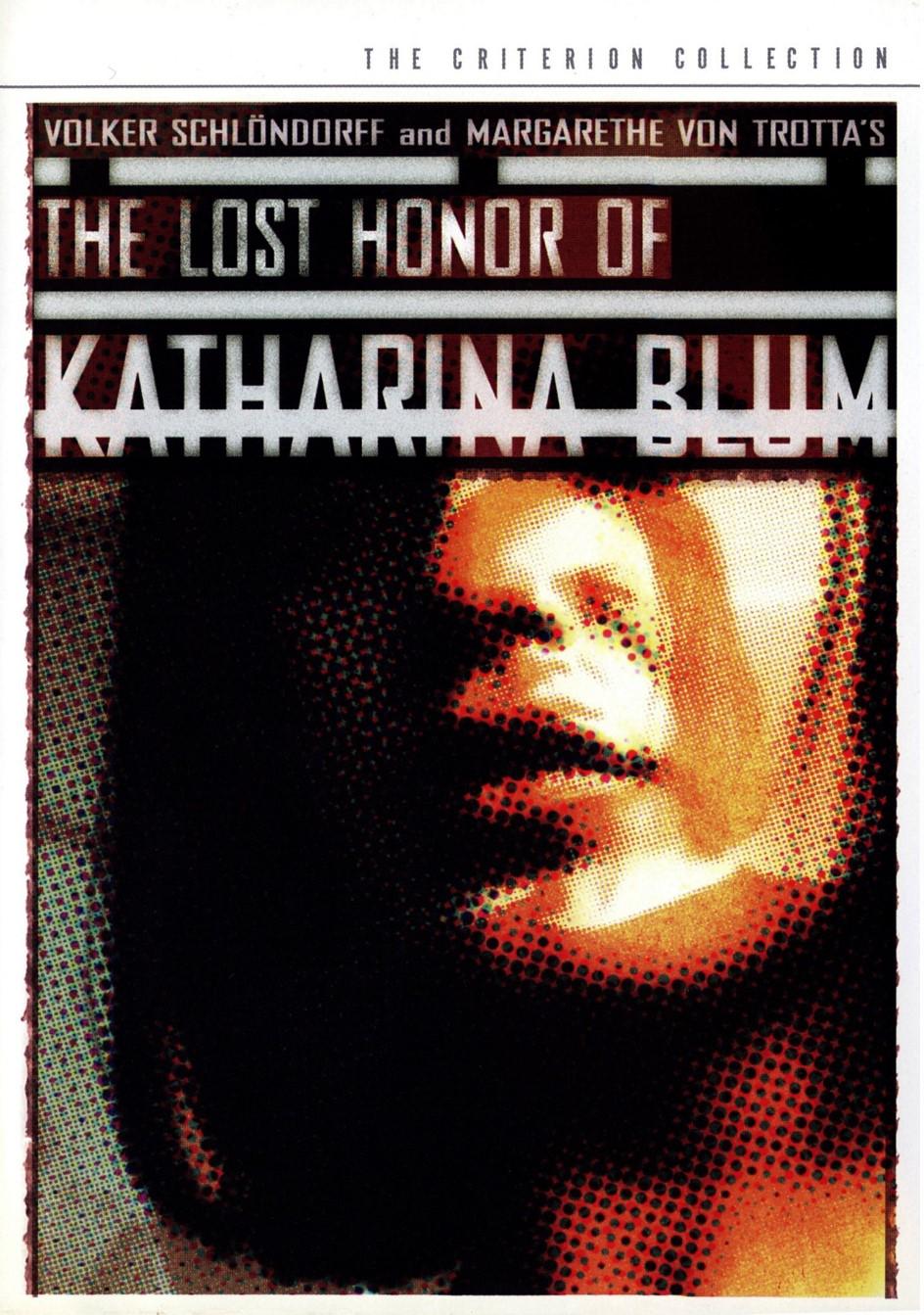
Katharina Blum meets a man at a party. He turns out to be a suspect in a terrorism investigation. She helps him, innocently, and by Monday morning she is front-page news — reported as a terrorist sympathizer by a tabloid newspaper with no interest in whether any of it is true. Heinrich Böll wrote the novel in 1974, furious at the West German tabloid press's treatment of anyone associated with the Baader-Meinhof Group. The film that Volker Schlöndorff and Margarethe von Trotta made from it is one of the most important German films about the relationship between the press and individual dignity.
For German students, the film is a lesson in how language can be weaponized. The tabloid's reporting on Katharina — what it says, what it implies, what it omits — is a masterclass in how German can be used to destroy a person without ever technically lying. Students encounter German as a medium of distortion, and that encounter is one of the most important things a language class can teach about the relationship between words and power.
📬 Stay in the loop. New lessons added regularly — join the list to hear when your film is available.
Key Themes for the Classroom
- Media and truth — The tabloid never says anything provably false. It just implies everything. Ask: Wie schafft die Zeitung eine Lüge ohne zu lügen? Students analyze specific language from the tabloid articles.
- Privacy and dignity — Katharina's private life becomes public property. Ask: Was verliert Katharina, was ihr rechtlich niemand wegnehmen darf?
- Fear and the state — The West Germany of 1974 is afraid of terrorism, and that fear is being exploited. Ask: Warum lassen die Leute die Zeitung das mit Katharina machen? Who is complicit?
Scene to use: The journalist Tötges's interview with Katharina's elderly mother — manipulated, misquoted, and published in a way that mortifies a dying woman. The German of the journalist's questions is polite, precise, and predatory. After watching, ask: Welche Techniken verwendet Tötges, um Katharina's Mutter zu manipulieren? Students map the rhetorical manipulation moves in German.
Low-prep classroom activity: Students write two versions of the same event in German — one as an honest news report, one as a tabloid version of the same facts. The tabloid version must use only true statements but arrange them to create a false impression. The contrast between the two versions is a lesson in how language functions as argument rather than description.
What to listen for: The film's German tracks two registers with devastating precision: the tabloid newspaper's German (sensational, accusatory, built on implication and repetition) and Katharina's own German (careful, factual, increasingly desperate). Ask students to compare a headline from the film's fictional tabloid with Katharina's response to it in her own words. Then: what specific language in the headline makes it feel true even when it isn't? The exercise teaches students the German of media manipulation — a genuinely useful language skill.
The full German lesson plan for Die Verlorene Ehre der Katharina Blum is ready at filmarobics.com/products/verlorene-ehre-der-katharina-blum — $29.95.
Students walk away from Die Verlorene Ehre der Katharina Blum having encountered German as a weapon of social destruction — and having learned to read the gap between what language says and what it does.
The full German lesson plan for Die Verlorene Ehre der Katharina Blum is ready at filmarobics.com/products/verlorene-ehre-der-katharina-blum — $29.95.
📬 Stay in the loop. New lessons added regularly — join the list to hear when your film is available.
Students walk away from Die Verlorene Ehre der Katharina Blum having encountered German as a weapon of social destruction — and having learned to read the gap between what language says and what it does.