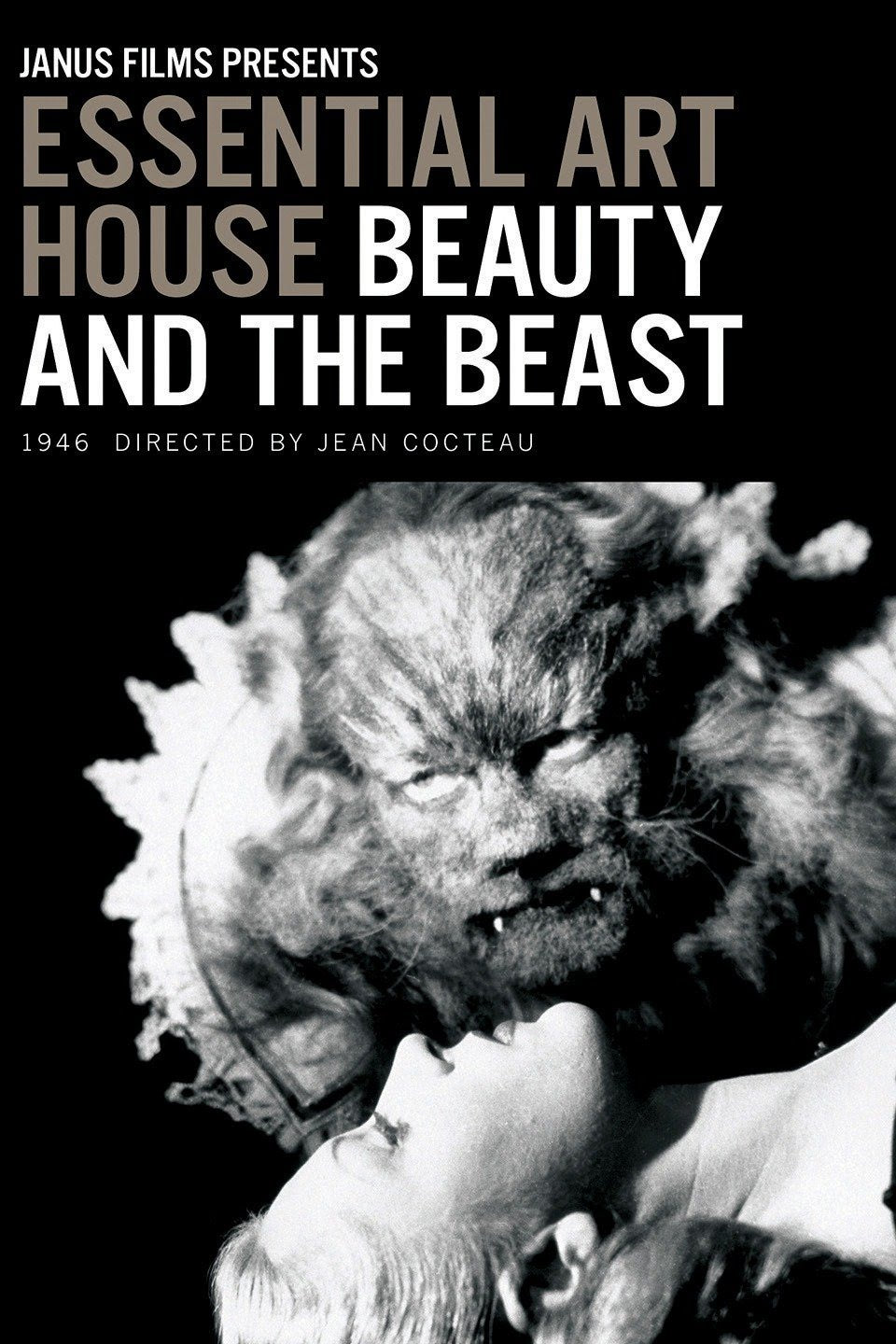
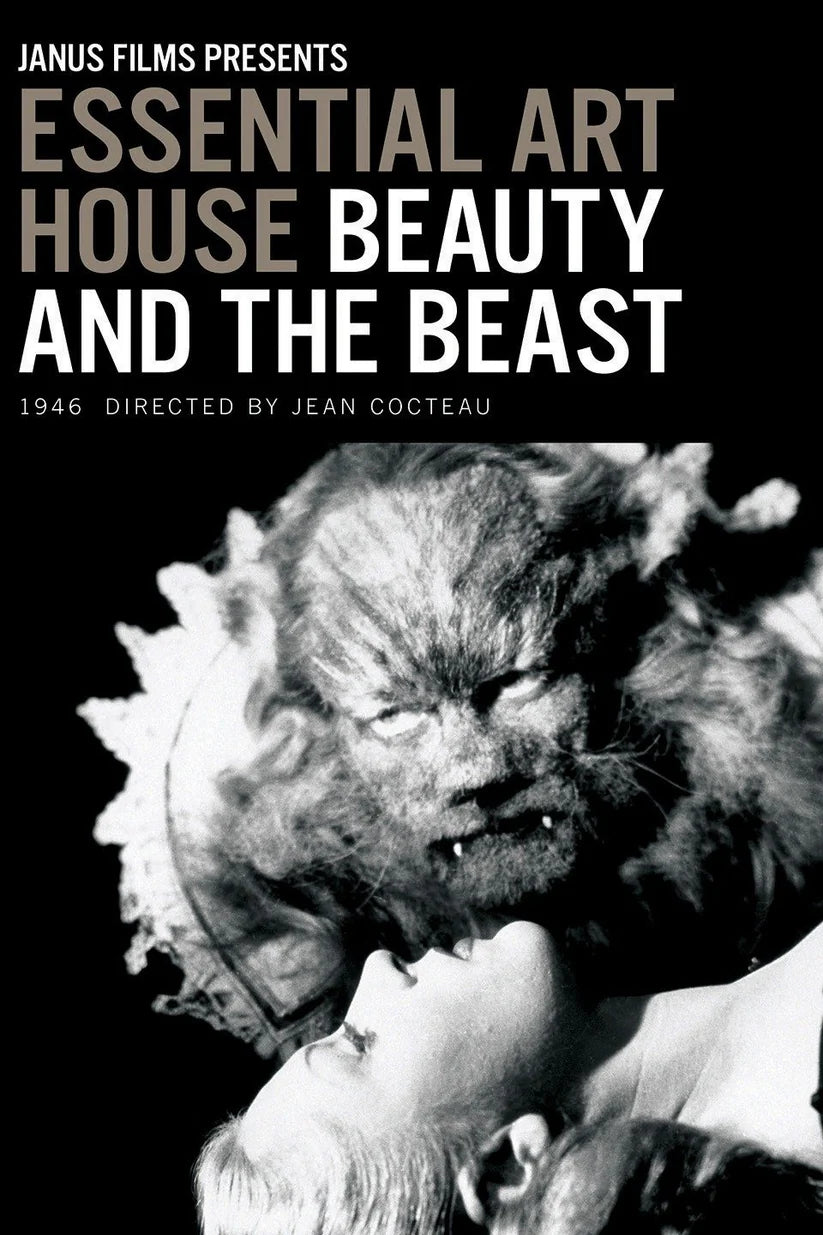
Jean Cocteau's 1946 La Belle et la Bête is not a children's story. It is a dream — filmed in the dreamlike logic of surrealism, with candelabras held by human arms, a castle that breathes, and a Beast who is more articulate and emotionally honest than any of the humans in the film. For a French class, the Cocteau version offers something that the Disney adaptations cannot: French at its most elevated, most literary, and most deliberately beautiful. Students encounter the language as an aesthetic experience rather than a communication exercise — and that encounter changes how they hear it.
The film is entirely in studio-recorded French, which makes it extraordinarily clear for listening comprehension — every syllable is audible, the pacing is deliberate, and the sentence structures are complete. Students who struggle with fast contemporary French find themselves understanding Cocteau's 1946 French with surprising ease, because the language is meant to be heard.
📬 Stay in the loop. New lessons added regularly — join the list to hear when your film is available.
Key Themes for the Classroom
- Appearance and inner worth — The Beast is beautiful in his ugliness; Avenant is ugly in his beauty. Ask: Comment Cocteau utilise-t-il l'apparence pour tromper le spectateur? The visual argument of the film is a lesson in how French literature uses paradox.
- Transformation and identity — The Beast transforms at the end. Is that a reward? A punishment? Ask: La transformation de la Bête est-elle un happy ending? The question doesn't have an obvious answer in French.
- Surrealism and the fairy tale — Cocteau uses fairy tale logic to explore psychological reality. Ask: Qu'est-ce que le château représente? What is the dream doing that the real world can't?
Scene to use: Belle's first night in the Beast's castle — she walks through the enchanted corridors, candelabras extending from the walls, her dress and hair moving in an impossible wind. The French voice-over is hushed, precise, and entirely at home in the uncanny. Ask students: Quels mots utilise Belle pour décrire ce qu'elle voit? Students identify descriptive vocabulary and then ask: are these the words you would use, or the words Cocteau chose for her?
Low-prep classroom activity: Students write a brief description in French of the Beast's castle — as Belle would write it in a letter to her family, trying to explain something that doesn't follow normal rules. They must use imperfect tense for ongoing description, at least two comparisons, and one sentence about something they couldn't explain. The task produces lyrical descriptive French in a motivated context.
What to listen for: Cocteau's French is literary and incantatory — the French of classical poetry adapted for cinema. Belle speaks with clarity and warmth; the Beast speaks with the formal, wounded French of a cursed aristocrat; and the enchanted castle speaks not at all. Ask students to find one line from the Beast that could come from a Racine tragedy and one line from Belle that could come from an ordinary French conversation. The comparison teaches students that French has a classical register as well as a spoken register — and that both are fully part of the language.
The full French lesson plan for La Belle et la Bête (Cocteau) is ready at filmarobics.com/products/belle-et-la-bete-cocteau — $29.95.
Students walk away from Cocteau's La Belle et la Bête having heard French used as a medium of dream — and having understood that the most beautiful language is the kind that makes the impossible feel completely real.
The full French lesson plan for Teach Cocteau's "La Belle et la Bête" in French Class is ready at filmarobics.com/products/belle-et-la-bete-cocteau — $29.95.
📬 Stay in the loop. New lessons added regularly — join the list to hear when your film is available.
Students walk away from Cocteau's La Belle et la Bête having heard French used as a medium of dream — and having understood that the most beautiful language is the kind that makes the impossible feel completely real.