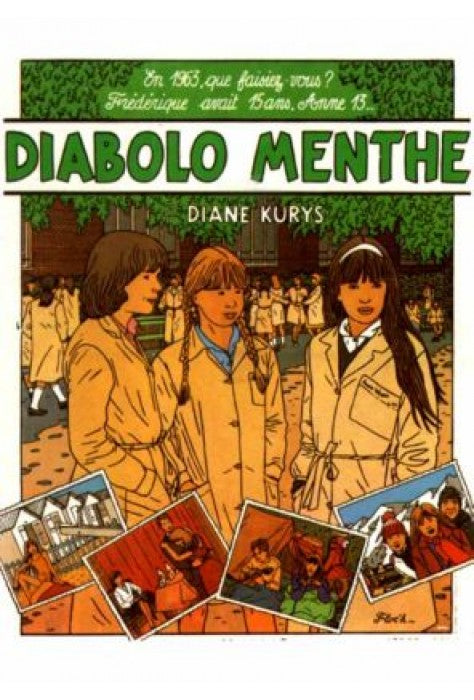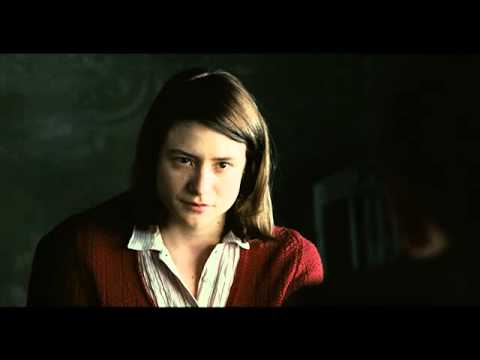

There's a particular discomfort in adolescence that Diabolo Menthe captures with almost uncomfortable precision. It's the feeling of being between things — between childhood and adulthood, between who you were and who you're becoming, between the rules you were raised with and the ones you're starting to question. Diane Kurys filmed this in 1977, set in the 1960s, and it still lands because the experience it describes is not period-specific. It's just being thirteen.
Two sisters, Anne (thirteen) and Frédérique (fifteen), navigate their Parisian lycée — the teachers, the cliques, the politics of adolescent belonging, and the politics of France in the early 1960s that their classmates are just beginning to feel. For French students, the film offers access to a specific historical moment — just after Algeria, just before May '68 — through the eyes of two girls who aren't thinking about history yet, and then are.
📬 Stay in the loop. New lessons added regularly — join the list to hear when your film is available.
Key Themes for the Classroom
- Sisterhood and rivalry — Anne and Frédérique love each other and are intensely competitive. The film doesn't resolve this. It just shows it, which is more honest. Ask: Comment les sœurs se soutiennent-elles malgré leur rivalité?
- Authority and rebellion — The teachers at the lycée are alternately tyrannical and kind, and the girls' responses to each type are revealing. French classroom culture in the 1960s is visible on screen in ways that give students cultural context for contemporary France.
- Political awakening — Frédérique begins to wake up to politics during the film. The vocabulary of political consciousness arriving in a teenager is tracked with care. Ask: Qu'est-ce qui change dans la façon de parler de Frédérique?
Scene to use: The classroom scene where a teacher criticizes a student's essay in front of the class — specifically, publicly, and with the particular cruelty of someone who has forgotten what it's like to be wrong. The French classroom vocabulary (note, devoir, rédaction, corriger) is all present, and the power dynamic is instantly recognizable. Ask students: Comment réagit l'élève? How does she respond in French — and what can't she say?
Low-prep classroom activity: Have students write a journal entry in French from Anne's perspective after a difficult day at school. They must use imparfait for ongoing feelings and passé composé for specific events, include at least one sentence about something they wish they'd said, and end with what they're hoping for tomorrow. The structure is grammar practice; the content is character.
What to listen for: The film is set in 1963, and Diane Kurys's dialogue captures the French of 1960s Parisian adolescence with ethnographic precision: the slang, the classroom decorum, the specific way French teenagers of that era spoke to each other versus to teachers. Some of this French has dated; some of it is timeless. Ask students to identify three words or expressions from the film and research whether they are still used today. The etymology exercise is a vocabulary lesson and a French history lesson simultaneously.
The full French lesson plan for Diabolo Menthe is ready at filmarobics.com/products/diabolo-menthe — $29.95.
Students walk away from Diabolo Menthe having heard the French of adolescence — in a Parisian school, in a decade that was about to change — and recognized something uncomfortably familiar in it.
The full French lesson plan for Diabolo Menthe is ready at filmarobics.com/products/diabolo-menthe — $29.95.
📬 Stay in the loop. New lessons added regularly — join the list to hear when your film is available.
Students walk away from Diabolo Menthe having heard the French of adolescence — in a Parisian school, in a decade that was about to change — and recognized something uncomfortably familiar in it.