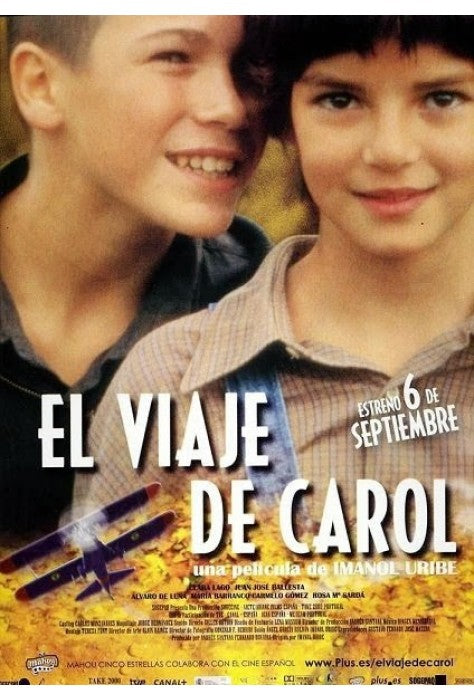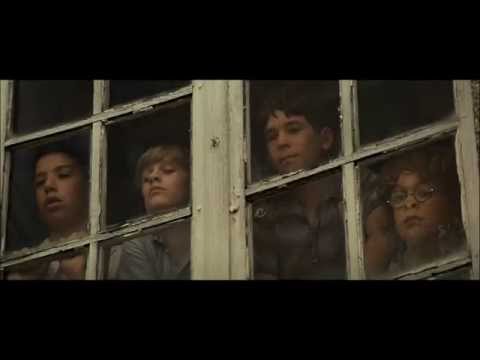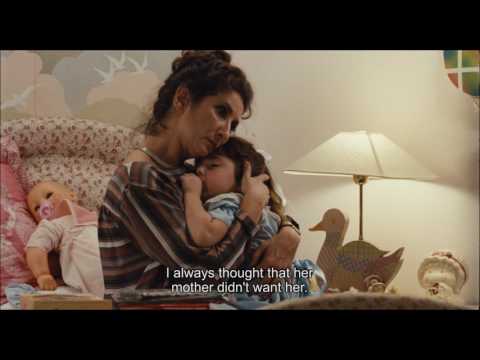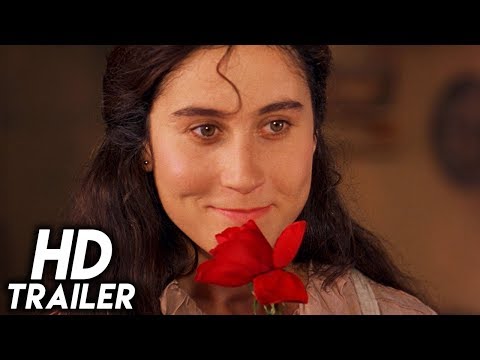
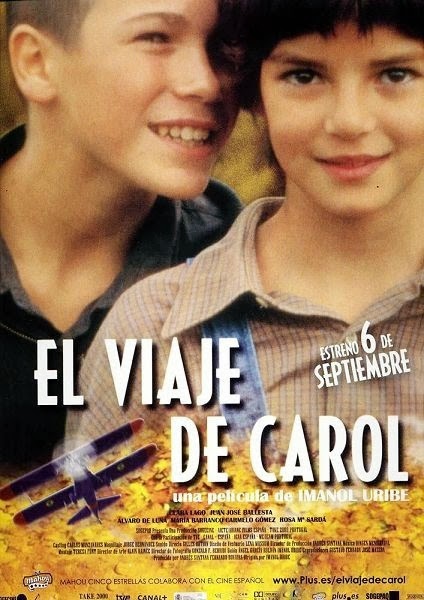
1938. Spain is in the middle of its Civil War. Carol is a twelve-year-old girl — half American, half Spanish — who arrives from New York to stay with her Spanish family after her mother's death. Her grandfather is a Republican; the village is full of franquistas; and Carol, who is half-outside the war by virtue of being American, watches the whole thing with the clarity of a child who has nothing to lose and doesn't understand yet what she could still lose. This is Imanol Uribe's 2002 film, and it gives Spanish classes something rare: the Spanish Civil War experienced rather than explained.
For Spanish students, El Viaje de Carol does something rare: it teaches the Spanish Civil War through a child's experience, which means students feel the historical situation rather than simply studying it. Carol's position as an outsider-insider gives the film a perspective that pure historical drama can't achieve — she is learning the war at the same time students are. Her Spanish is imperfect, accented, American-influenced — exactly where many heritage learners find themselves — and the film treats that linguistic in-between as a strength rather than a deficit. The film is set in Navarre, so students also hear distinct regional Spanish alongside standard Castilian, which opens discussion about dialect and regional identity.
📬 Stay in the loop. New lessons added regularly — join the list to hear when your film is available.
Key Themes for the Classroom
- Belonging and outsider status — Carol is neither fully Spanish nor fully American. Ask: ¿Dónde pertenece Carol? Does belonging require a choice of loyalty? And: can you be a witness to a war without taking a side?
- Political violence and civilian life — The Civil War enters the village in specific, personal ways. Ask: ¿Cómo afecta la guerra a las relaciones en el pueblo? Which relationships survive it, and which don't?
- Intergenerational loyalty — Carol and her grandfather's relationship is the film's warmest thread. Ask: ¿Qué le enseña el abuelo a Carol — además de los árboles y el río?
Scene to use: Carol and her grandfather's first evening together — he shows her the garden, tells her about the plants, talks around the war that is happening outside the garden wall. The Spanish is warm, botanical, and indirect — the language of an old man protecting a child from something she'll have to understand eventually. Ask: ¿Qué no le dice el abuelo a Carol? ¿Por qué? Then: what specific words does he use to redirect when Carol asks about things he doesn't want to discuss? Students find the evasion strategies embedded in the Spanish itself.
Low-prep classroom activity: Students write a brief letter in Spanish from Carol to her father in New York — not describing the war directly, because she's been told not to worry him, but in the details of what she describes (the garden, the neighbors, the sounds at night), the truth comes through. The constraint requires students to write evasion in Spanish, which is a real and learnable register. Present tense for daily life; imperfect for description; and one sentence in future tense about what she hopes will happen when she comes home.
The full Spanish lesson plan for El Viaje de Carol is ready at filmarobics.com/products/viaje-de-carol — $29.95.
Students walk away from El Viaje de Carol having heard the Spanish Civil War through the eyes of a child who was trying to understand it at the same time they are — which is a more honest way to teach history than any timeline.
The full Spanish lesson plan for El Viaje de Carol is ready at filmarobics.com/products/viaje-de-carol — $29.95.
📬 Stay in the loop. New lessons added regularly — join the list to hear when your film is available.
Students walk away from El Viaje de Carol having heard the Spanish Civil War through the eyes of a child who was trying to understand it at the same time they are — which is a more honest way to teach history than any timeline.