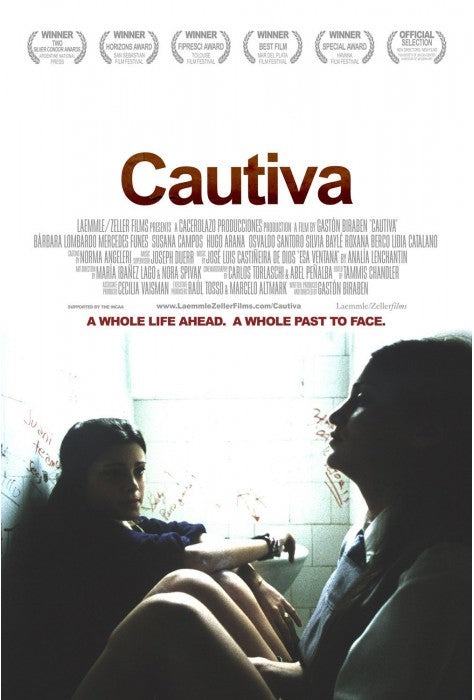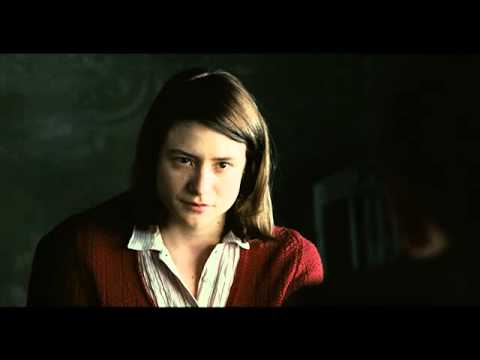
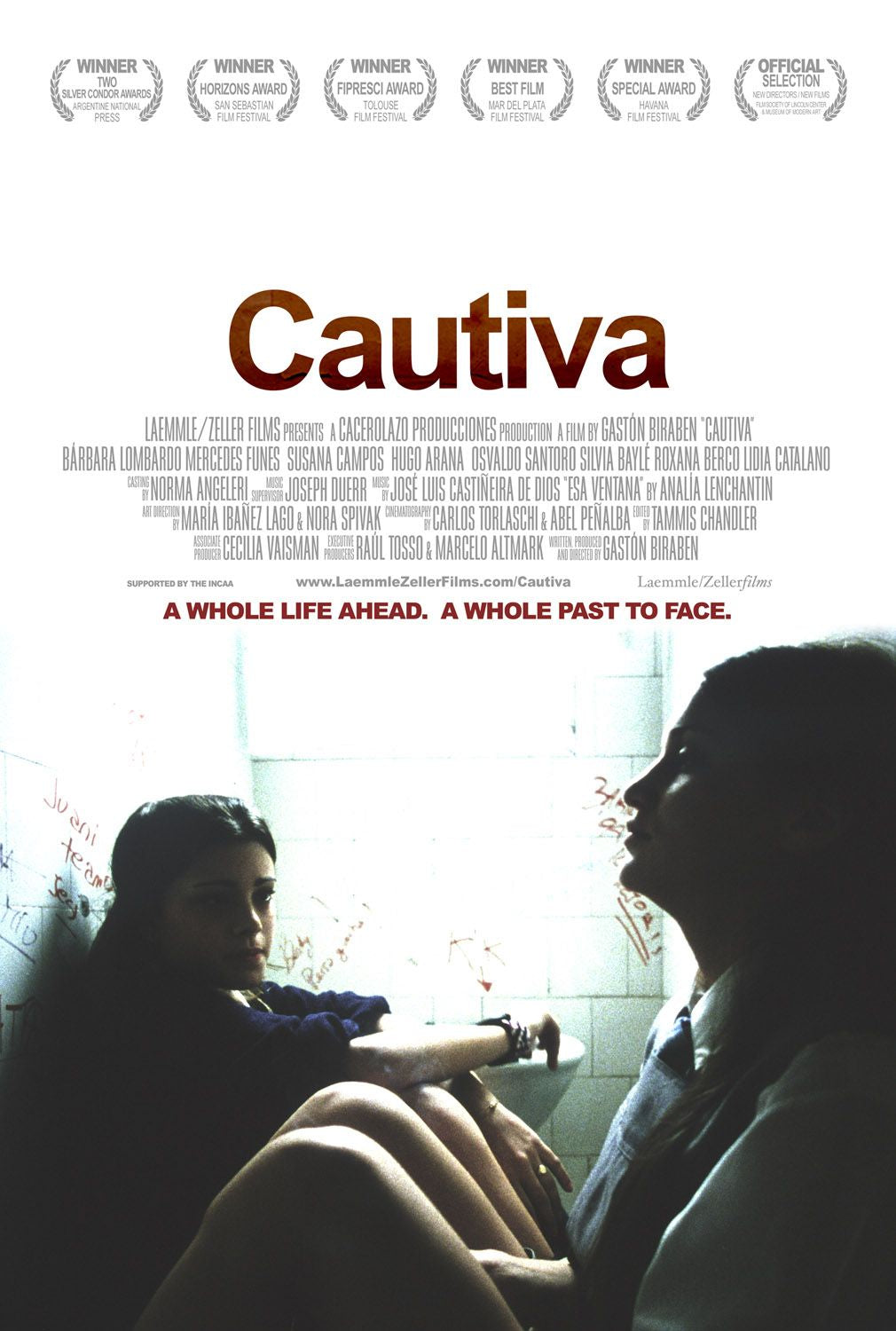
There's a moment in every Argentine history lesson when the abstraction becomes personal. Cautiva is that moment, built into a film. Cristina is sixteen, a model student, living a comfortable middle-class life in Buenos Aires — until a judge appears and tells her that her real name is Sofía, that her parents were disappeared during the military dictatorship, and that the people who raised her stole her from her birth family. The film follows what happens next. It's one of the most pedagogically powerful approaches to Argentina's Proceso in the entire Spanish-language film catalog.
For Spanish students, Cautiva offers something that textbooks on the dictatorship cannot: an interior perspective. Cristina/Sofía doesn't receive this history as a student — she receives it as a daughter. Her vocabulary is the vocabulary of disorientation, grief, and identity crisis, and it arrives in accessible, contemporary Argentine Spanish that students at the intermediate level can follow without difficulty.
📬 Stay in the loop. New lessons added regularly — join the list to hear when your film is available.
Key Themes for the Classroom
- Identity and belonging — Cristina's crisis is the most literal possible form of the question "who am I?" — and the film gives her no easy answer. Ask: ¿Quién es la persona real — Cristina o Sofía?
- Historical justice — The Grandmothers of the Plaza de Mayo appear in the film, connecting Cristina's personal story to the wider effort to recover stolen children. Students encounter this history through one face, not a statistic.
- Complicity — The family that raised Cristina loved her. The film doesn't let students dismiss them easily — and that complexity is where the real discussion lives.
Scene to use: Cristina's first meeting with her biological grandmother, who has been searching for her for years. The grandmother recognizes something in Cristina's face before Cristina understands what she's looking at. In Spanish, the scene's vocabulary of recognition, denial, and overwhelming emotion is concentrated into a few minutes of dialogue that students don't forget. Ask: ¿Qué siente Cristina en este momento? ¿Y la abuela?
Low-prep classroom activity: Give students the following prompt in Spanish: Write a diary entry from Cristina's perspective the night after she learns the truth. She can say anything — anger, grief, disbelief, gratitude, all of the above. Require at least one question she can't answer and one emotion she doesn't have a word for yet. The writing exercise surfaces advanced emotional vocabulary naturally.
📅 Teach it when it counts: March 24 is the Day of Remembrance for Truth and Justice in Argentina — the anniversary of the 1976 military coup. Teaching Cautiva near this date contextualizes the film within Argentina's living national conversation about memory and accountability. The Abuelas de Plaza de Mayo have been identifying children like Cristina since 1977, and the real-life DNA identification process continues today. Students who know this leave the film understanding something about history that is still happening.
The full Spanish lesson plan for Cautiva is ready at filmarobics.com/products/cautiva — $29.95.
Students walk away from Cautiva with the language to talk about identity, loss, and justice in Spanish — and the understanding that history doesn't happen to governments. It happens to people.
The full Spanish lesson plan for Cautiva is ready at filmarobics.com/products/cautiva — $29.95.
📬 Stay in the loop. New lessons added regularly — join the list to hear when your film is available.
Students walk away from Cautiva with the language to talk about identity, loss, and justice in Spanish — and the understanding that history doesn't happen to governments. It happens to people.