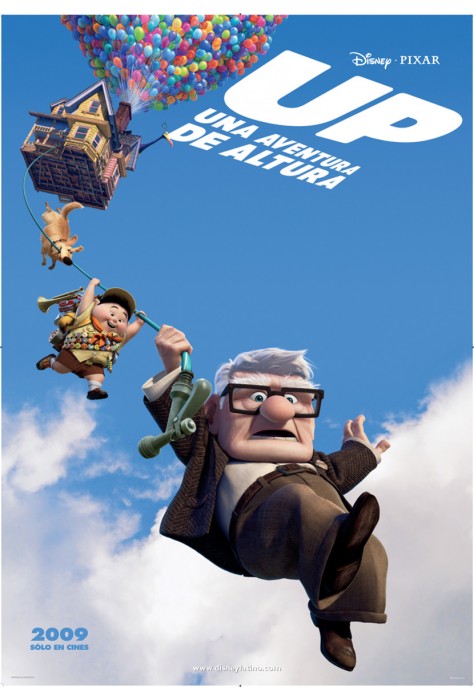

Four teenagers. A mountain that none of them should be climbing. A bet that gets out of hand. Una Aventura de Altura follows a group of young people whose planned shortcut turns into a genuine high-altitude survival situation — and what they discover about each other when things stop being funny is the real film. For a Spanish class, it is one of the most immediately accessible in the catalog: the language is contemporary, the characters are the same age as your students, and the stakes keep getting clearer.
For Spanish students, the film offers Latin American Spanish in the register of contemporary teenage speech — informal, quick, full of the specific vocabulary of group dynamics and managed bravado. Students hear how Spanish-speaking teenagers talk when they are frightened but trying not to show it, which is a register your students will recognize immediately from their own experience. The film is accessible at B1 level for listening comprehension.
📬 Stay in the loop. New lessons added regularly — join the list to hear when your film is available.
Key Themes for the Classroom
- Risk and responsibility — The teens make a decision together and discover they didn't all agree on what it meant. Discussion: ¿Quién es responsable cuando las cosas salen mal en grupo?
- Friendship under pressure — The group's dynamics shift completely when the situation becomes serious. Discussion: ¿Qué aprendemos sobre nuestros amigos cuando las cosas se ponen difíciles?
- Competence and humility — The students discover they don't know as much as they thought. Discussion: ¿Cuándo es la confianza una fortaleza y cuándo es un problema?
- Nature and survival — The mountain is not a metaphor; it's a real environment that the film treats with respect. Students can research high-altitude survival as a vocabulary extension.
One Scene to Use
The scene where the group realizes they are genuinely lost — not movie-lost, but actually lost — and the bravado drains out of everyone at the same time. Watch the language change: the informal, joking Spanish of the first half gives way to something much more careful and direct. This is the film's register shift, and it's a perfect teaching moment.
One Low-Prep Classroom Activity
Give students the first ten minutes and the last ten minutes of the film without any of the middle. Ask them to predict: what happened? Write it in Spanish, using the vocabulary they have. Then watch the middle. What did they get right? What surprised them? The gap between prediction and reality drives vocabulary acquisition.
What to listen for: The film's accessible narrative and clear spoken Spanish make it particularly useful for listening comprehension at the intermediate level. The adventure-film genre is familiar to students, which means they can track the Spanish without fighting the plot. Before watching, give students three vocabulary terms that will appear frequently. After watching, have them write a brief plot summary in Spanish using those terms. The exercise measures listening comprehension accurately and produces a vocabulary-anchored writing sample in a single fifteen-minute task.
The full Spanish lesson plan for Una Aventura de Altura is ready at filmarobics.com/products/teach-una-aventura-de-altura-spanish — $29.95.
Students finish this unit with vocabulary for adventure, risk, and friendship — and the question of whether knowing your limits is wisdom or defeat.
The full Spanish lesson plan for Una Aventura de Altura is ready at filmarobics.com/products/teach-una-aventura-de-altura-spanish — $29.95.
📬 Stay in the loop. New lessons added regularly — join the list to hear when your film is available.
Students finish this unit with vocabulary for adventure, risk, and friendship — and the question of whether knowing your limits is wisdom or defeat.