The Room That Never Asks Questions
There is a particular kind of silence in language class that feels like success until it doesn’t. Students are watching. They are nodding. When you pause and ask ¿Comprenden? or Compris? they nod again. Nobody is confused. Nobody asks what anything means. The film is moving, the class is calm, and you feel like you’re doing something right.
You’re probably not.
Krashen’s comprehensible input hypothesis has a component that gets less attention than it deserves: for input to drive acquisition, the learner has to be actively making sense of it. Not passively absorbing it. The difference matters enormously. A student who has stopped asking questions about language isn’t necessarily fluent — they may have simply stopped engaging with it.
What Curiosity Silence Actually Means
There are two kinds of quiet in a film unit. The first is the quiet of a student who is following the story, tracking the language, holding a word in their head while context catches up to it — the productive tension Krashen describes as “noticing the gap.” That silence is good. That silence is acquisition in motion.
The second kind is the quiet of a student who has figured out they don’t need the language to follow the film. They’re reading the actors. They’re reading the music. They are, as VanPatten would put it, bypassing the linguistic input entirely and processing at the situational level. They understand what’s happening without processing how it’s being said. And because they understand what’s happening, they stop asking about the language.
That second silence looks identical to the first from the front of the room.
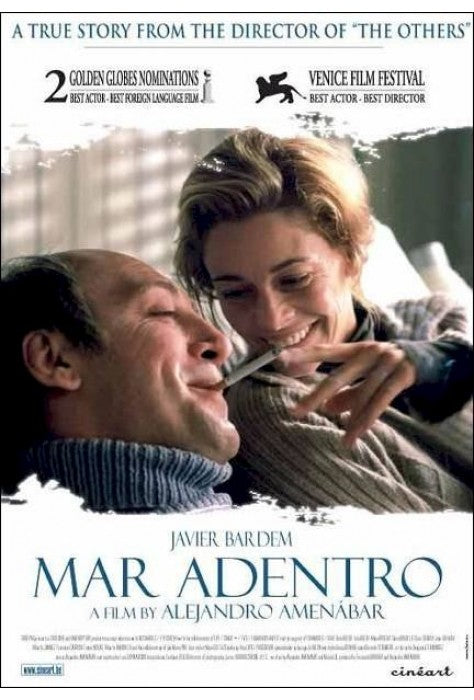
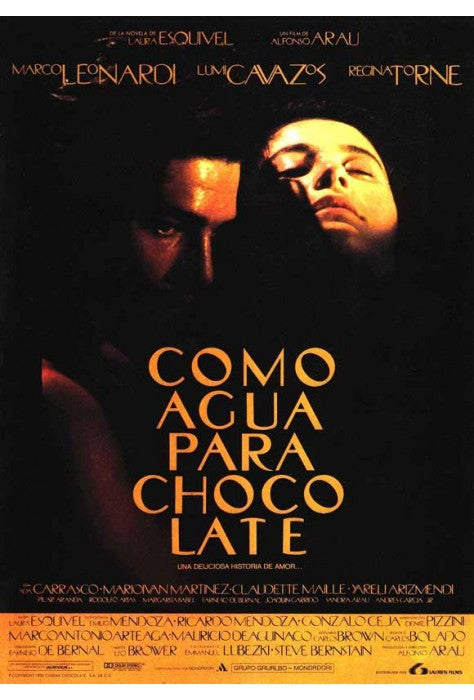
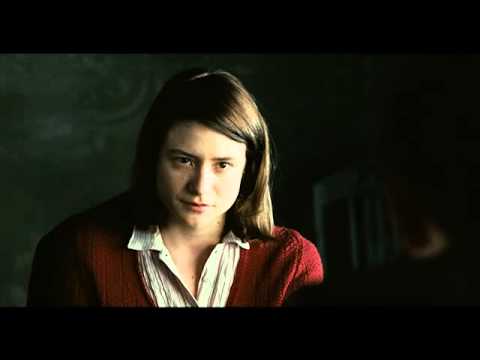
I noticed this the hard way with a third-period Spanish II class watching a scene from a Latin American film I adore — high drama, clear facial expressions, music you could conduct yourself. Not one question about language for twelve minutes. I was delighted. Then I asked them to describe the scene in Spanish. What I got was comprehension without language. They told me everything that happened. In English, with the Spanish word count of a second-week student.
Why Textbook Comprehension Checks Miss This Entirely
The standard comprehension check — “What happened in the scene?” — measures narrative tracking. It does not measure linguistic engagement. A student can correctly answer every plot question in a film unit and acquire almost no language, because they have learned to extract meaning from the visual and musical channel and leave the linguistic channel alone.
This is not laziness. It is a rational response to the input. The brain takes the easiest path to meaning, and in film — especially well-directed film — that path often doesn’t run through the words.
Schmidt’s Noticing Hypothesis gives us the sharper framing: language only enters the acquisition process when it is consciously attended to. Students who have stopped noticing language haven’t stopped learning — they’ve just switched to learning something other than language. They’re getting better at reading film. That’s fine for a film appreciation class. It is not the goal here.
The Tell That Changes Your Whole Read of the Room
The single most useful diagnostic I’ve found isn’t a quiz or a writing task. It’s a question count. How many times, over the course of a 20-minute viewing session, does a student ask what a word means?
Zero is not a sign of fluency. Zero is a sign of disengagement from the linguistic channel. A student actively acquiring language from film is occasionally stopped by something — a phrase that doesn’t fit the expected pattern, an idiom that resists context, a word they’ve heard before but can’t quite place. That friction is the sound of acquisition. When it disappears, something has gone wrong.
Denise’s rule: if nobody has asked a language question in 15 minutes of authentic dialogue, pause the film. Not to explain vocabulary. Just to ask: “What’s a word you noticed? Not understood — noticed.” The distinction matters. You’re not asking them to report confusion. You’re asking them to report attention. And if they can’t report attention, you know what you’re working with.
Three Moves That Restore Linguistic Curiosity
1. The Transcript Moment
Before a key scene, give students the first four lines of dialogue in the target language — printed, on paper. Tell them they’ll hear it in 60 seconds. Their job is to mark anything that surprises them about how it’s said compared to how they expected it to be said. This forces linguistic attention before the visual channel takes over.
2. The Sound-Off Pass
One viewing of a short scene with the sound off. Students describe what they see. Then sound-on. Now their job is specifically to notice where the language does something the visuals didn’t tell them — a tone shift, a word choice, a register marker. The visual pass raises questions the audio pass has to answer in language.
3. The Word Claim
Each student enters the viewing session “owning” one word they’ve committed to track — something from the pre-film vocabulary work. When they hear it, they record the sentence it appeared in. This doesn’t interrupt the film. It creates a reason to stay in the linguistic channel, because now the language contains something personally relevant.
Why This Is a Design Problem, Not a Student Problem
The research on input processing makes this clear: students process film the way they’ve been implicitly trained to process film — by tracking narrative. The task design either redirects that processing toward language, or it doesn’t. A classroom where nobody asks language questions for 15 minutes is a classroom where the task design has left the linguistic channel unattended.
This isn’t a criticism of students. It’s an observation about how powerful the visual channel is, and how deliberately you have to work to keep language in the foreground. The films are doing their job. The question is whether the lesson structure is doing its job.
The good news is that this is fixable with very light interventions. You don’t need to rebuild your unit. You need two or three structural moves that keep students in the linguistic channel throughout the viewing — not just at the comprehension check at the end.
If you’re looking for lesson plans where these structural moves are already built in — the pre-film vocabulary frames, the noticing tasks, the during-film anchors — the FilmArobics Spanish lesson plans are designed exactly this way. The curiosity doesn’t happen by accident. It’s designed in.