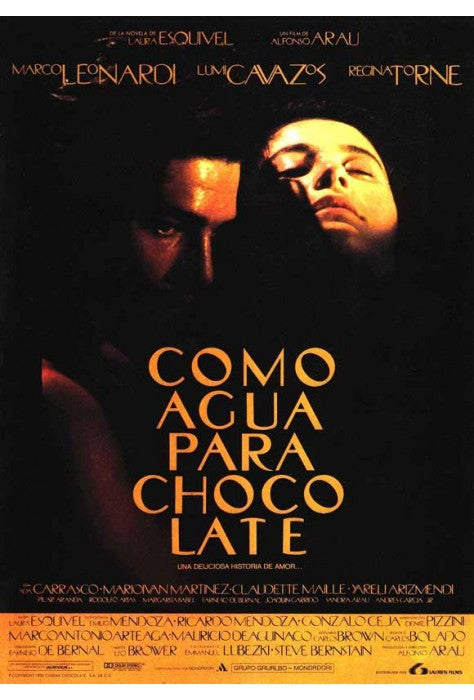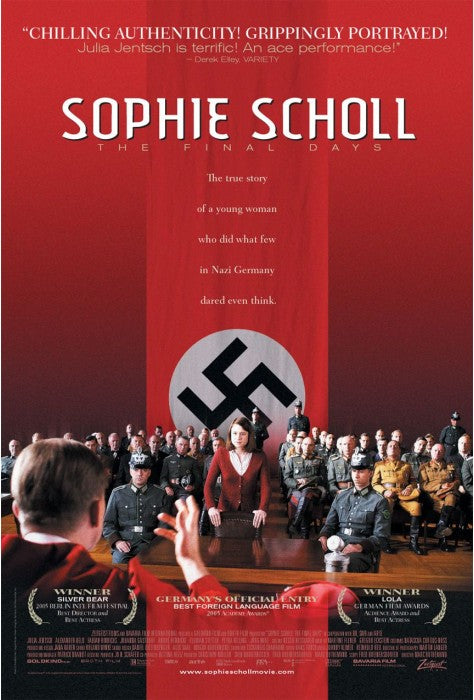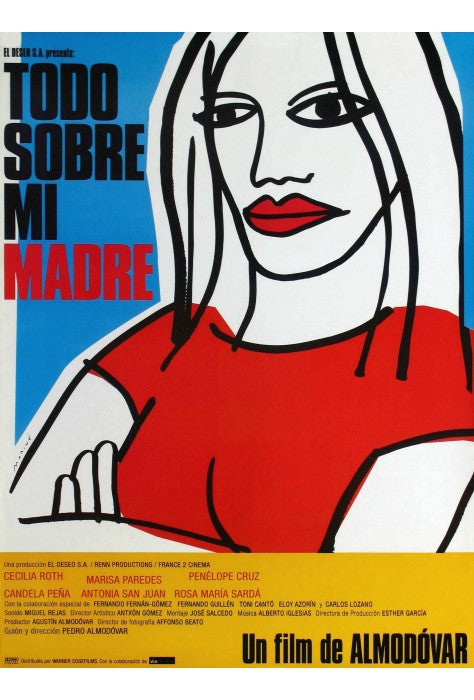
Here is the thing nobody says out loud at the awards ceremony: the student who just received the language department award cannot order a coffee in the country whose language they have been studying for four years.
This is not a hypothetical. Every experienced language teacher has met this student. Perfect quiz scores. Flawless conjugation charts. An A in every semester of Spanish 2, Spanish 3, and AP Language. And then summer abroad, or a conversation with a native speaker at a family gathering, and — nothing. Paralysis. A kind of polite, embarrassed silence that is almost worse than getting it wrong.
There is a name for what is happening. The research on second language acquisition calls it the fluency-proficiency gap — and understanding it changes how you design instruction.
What the Research Actually Distinguishes
Krashen drew the original line between acquisition and learning more than forty years ago, and the distinction still holds. Acquired language is implicit — it lives in procedural memory, comes out automatically under communicative pressure, and does not require the learner to think about rules. Learned language is explicit — it is the grammar chart, the conjugation table, the rule you apply consciously when you have time to think. Both are real. But only acquired language works when someone is talking to you at normal speed, in a noisy café, with a face that expects a response.
DeKeyser extended this with skill acquisition theory: explicit knowledge can become implicit, but only through massive, meaningful practice over time. The classroom drill is not the problem. The problem is that drills are rarely meaningful enough, and almost never fast enough, to push a student across the threshold from monitored production to automatic use.
What your A student has is exceptional learned language — and the school grade system has no instrument to distinguish it from acquired language, because assessment in most language classes still rewards the former.
Why the Grade Hides the Gap
Think about the typical language assessment: fill in the conjugation, correct the sentence, answer comprehension questions about a text that waited patiently on the page for them. These are tasks where the Monitor — Krashen's term for the internal grammar editor — can run freely. The student has time. There is no social pressure. The language is decontextualized. Of course the A student performs brilliantly. The test was designed for what they are good at.
Now put that same student in front of a native speaker who just asked them something in Spanish at normal conversational speed, with ellipsis, with regional phonology, with an expectation of a real answer within two seconds. The Monitor cannot keep up. Procedural memory reaches for what it has — and finds a grammar chart, not language.
Denise has seen this play out more times than she can count. "I've watched students ace every assessment I ever gave them and then freeze completely when the exchange student asked them where the bathroom was. Not because they didn't know the word for bathroom. Because nobody ever made them retrieve it under actual pressure, with a real person waiting."
What Film Does That Drills Cannot
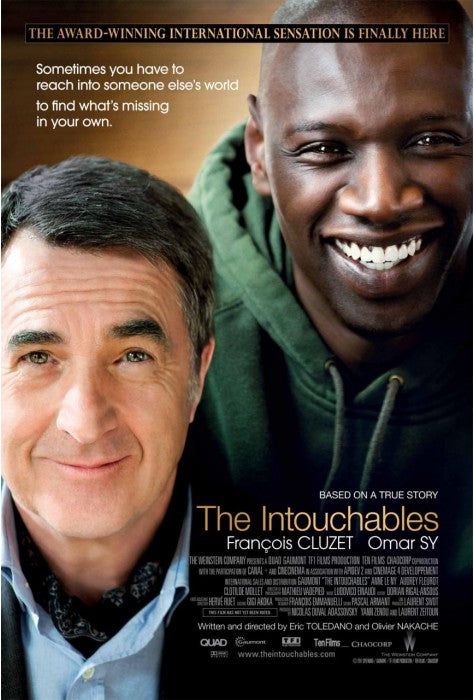
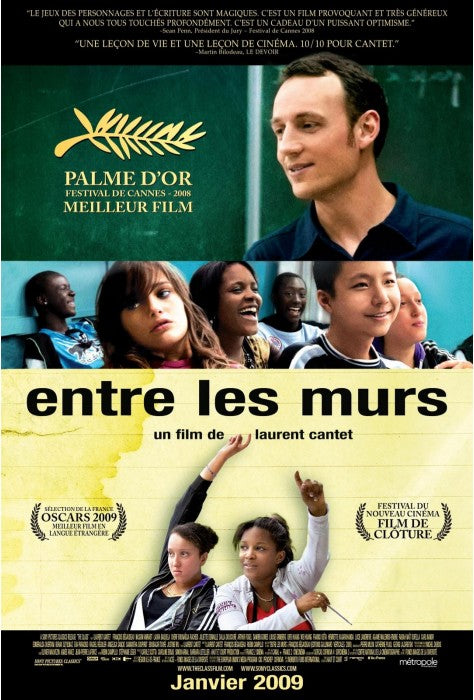
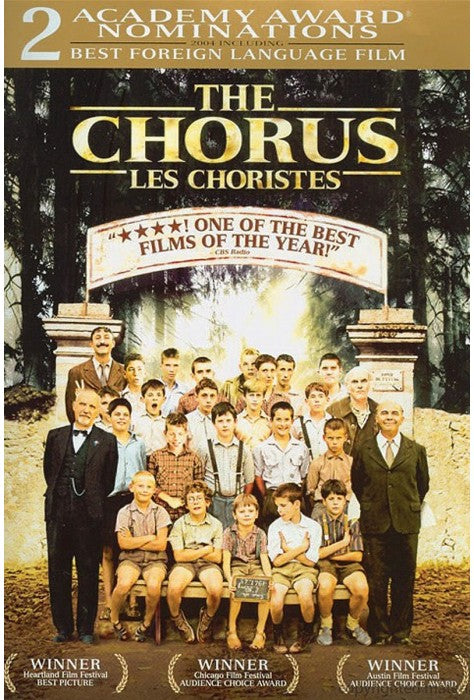
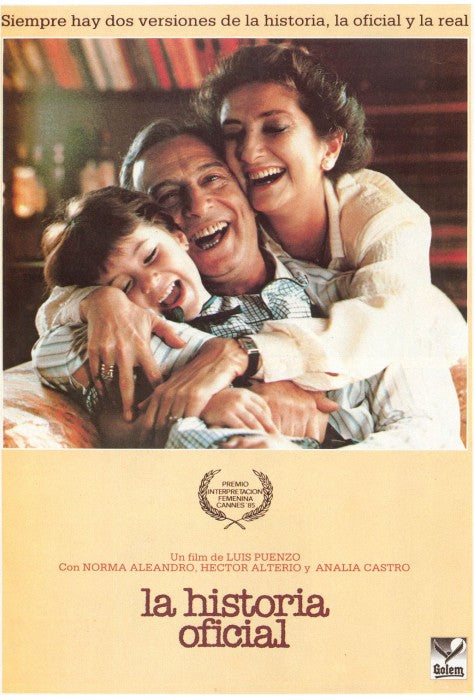
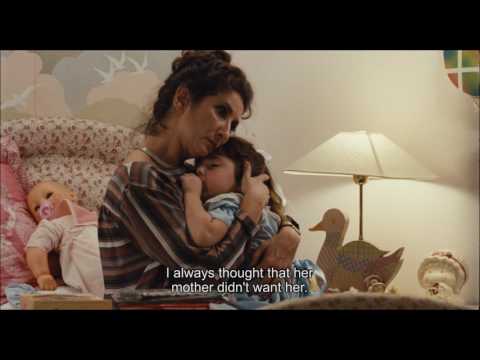
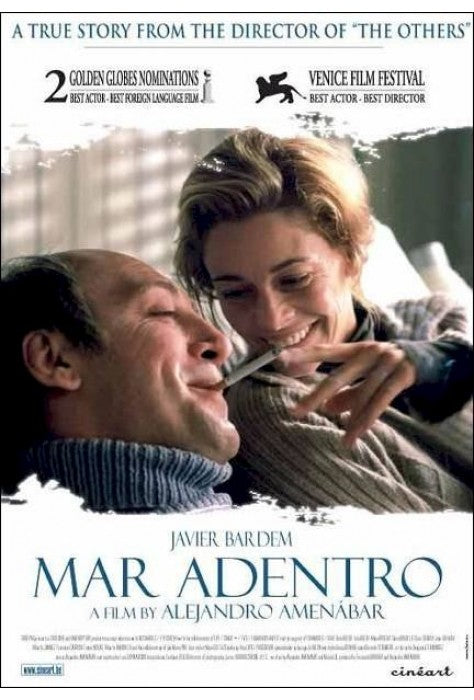
The reason film-based instruction addresses this gap is not aesthetic. It is cognitive and affective. When a student watches an emotionally compelling scene — a confrontation, a revelation, a moment of loss — and then has to respond to it in the target language, the conditions are meaningfully different from a grammar exercise.
First, there is emotional salience. Schumann's acculturation model and subsequent work on the limbic system's role in memory consolidation point to the same phenomenon: language encountered in emotionally charged contexts encodes differently. It is not just remembered — it is integrated. The vocabulary and grammar from that scene become part of the network of memory surrounding the emotion, not a decontextualized item on a list.
Second, there is communicative pressure. A well-designed film task requires the student to produce language quickly, in response to something they actually care about, without the luxury of monitoring every word. That is the practice condition drills cannot replicate. VanPatten's input processing theory is precise on this point: learners must engage with meaning before form, and the engagement must feel real. A scene that matters creates exactly that condition.
Third — and this is what experienced teachers notice before they ever read the research — film makes the language social again. "The moment a character does something your students have an opinion about," Denise says, "they want to talk about it. They are not practicing Spanish anymore. They are trying to say something. That is a completely different cognitive state, and the language sticks differently."
Three Practical Moves That Close the Gap
1. Timed Retrieval After Film Scenes
After a key scene, give students 60 seconds to write everything they understood in the target language — not a translation, but a reconstruction from memory. The time pressure matters. You are training the student to retrieve language quickly, not perfectly. Fluency first; accuracy follows with volume of practice. Even two or three rounds of this per film session begins building the automaticity that drills cannot replicate.
2. No-Monitor Discussion Rules
Before discussion, set an explicit rule: no pausing to self-correct. If you say something wrong, keep going. This is not about tolerating errors permanently — it is about temporarily suspending the over-active Monitor so the student can experience what it feels like to produce language without constant self-interruption. Film gives them something worth saying, which is what makes this sustainable. You cannot run a no-monitor discussion about a conjugation exercise. You can run one about a scene where someone just made a terrible decision.
3. Unscripted Follow-Up Questions
After any prepared task — a written response, a brief retelling — ask one follow-up question the student did not see coming. Not a test question. A genuine question: "Wait, so you think she was right to do that?" The student has to process and respond in real time. This is the closest classroom approximation of real communicative pressure, and it is available in any film unit without additional materials.
The Honest Conversation With Your A Student
The grade is not wrong. Your A student has done something real — they have built a strong explicit knowledge base, and that is not nothing. DeKeyser is clear that explicit knowledge is a legitimate on-ramp to acquisition; it just requires the right practice conditions to make the crossing.
What they have not had enough of is the experience of language under pressure. That is a structural gap in how most language courses are designed, not a failure of the student or the teacher. And it is exactly the gap that film-based instruction is built to close — because film creates the affective conditions that make language feel urgent, social, and real, which is the only environment where acquired fluency actually develops.
The A student who can't order a coffee is not a failure of language education. They are a diagnostic. And the diagnosis points clearly toward more meaningful input, more communicative pressure, and fewer grammar charts.
If you want units already designed around these principles — with pre-film, during-film, and post-film tasks that put students in the right cognitive state from day one — the FilmArobics Spanish lesson plans are built exactly for this. Each one is a complete 14-section unit. The A student who has never had to work under real communicative pressure will finally meet it — and so will you.