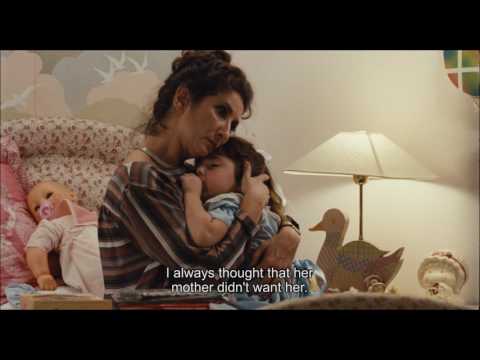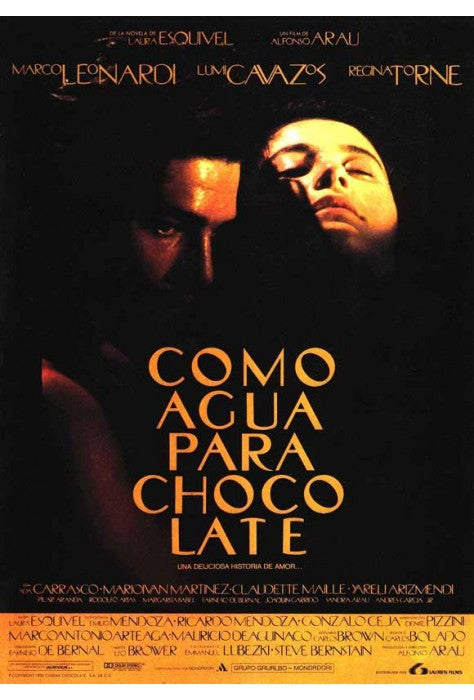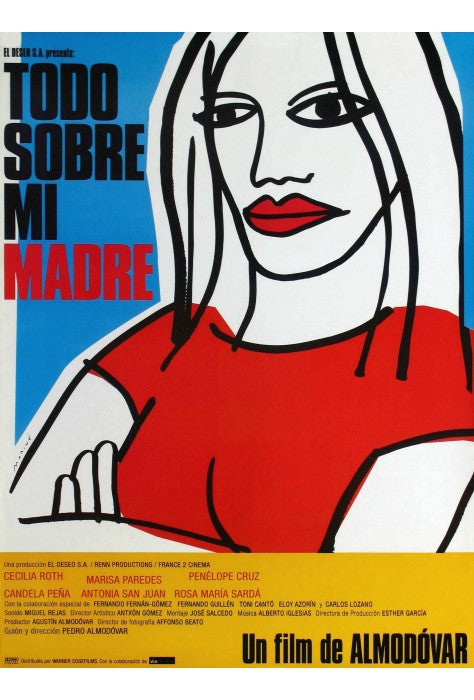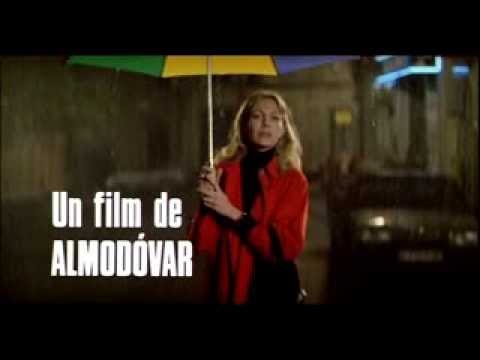
There is a moment every language teacher recognizes: a student who has never seen a word on a list encounters it in a film scene, hears it in the character's mouth, and six weeks later uses it correctly in a sentence. No flashcard. No drill. No quiz. Just — there it is, working.
That moment is not an accident. It is the acquisition mechanism doing what it is designed to do. And understanding why it works — and why flashcards mostly don't — changes how you think about every vocabulary decision you make.
The Problem With How We've Been Teaching Vocabulary
Most vocabulary instruction follows the same loop: introduce the list, drill it, quiz it, repeat. The research is unambiguous that this produces recognition without acquisition. Stephen Krashen's input hypothesis frames the distinction cleanly: vocabulary that enters through comprehensible, emotionally meaningful input is processed differently at a neurological level than vocabulary encountered in isolation. The list produces what Paul Nation calls "declarative knowledge" — you know the word when you see it. The film produces "procedural knowledge" — you reach for the word when you need it.
Nation's incidental vocabulary acquisition research shows that learners pick up between 1,000 and 2,000 words a year simply through extensive reading or listening — without explicit instruction — when the input is at the right level and meaningful. The key phrase is "at the right level and meaningful." That is not a description of a flashcard app. It is a description of a film.
I teach high school Spanish and I ran the same vocabulary unit three years in a row before I changed anything. Week one: introduce twenty words, students make flashcards, we do Quizlet, we quiz on Friday. Week two: half the words are gone. I could not understand why students who had genuinely studied were losing vocabulary so quickly. The research gave me the answer I did not want: I had been teaching recognition, not acquisition.
What Context Actually Does to a Word
When a learner encounters a new word in a flashcard, the brain stores it with minimal scaffolding — essentially as a signal without a referent. When a learner encounters that same word in a film scene with emotional stakes, something different happens. The brain stores the word with what psychologists call "elaborative encoding": it is connected to the character's face, the music, the narrative tension, the visual context, and the emotional state the learner was in when they encountered it. That web of connections is why the word is retrievable six weeks later without review.
Krashen calls this the "affective filter" — but most teachers hear that phrase and think it means anxiety reduction. It means more than that. The affective filter describes the entire emotional and attentional state a learner is in during input. When a student is genuinely wondering what is going to happen to a character, their affective filter is at its lowest and their acquisition channel is at its widest. That is the moment a new word can get in.
Flashcards cannot manufacture that moment. A scene can.
The Three Conditions Film Provides That Lists Cannot
Nation's research on incidental vocabulary acquisition identifies three conditions that reliably produce word retention without explicit instruction. Film satisfies all three.
Multiple Encounters in Meaningful Contexts
Nation found that most learners need between 10 and 15 meaningful encounters with a word before it moves from recognition into production. A vocabulary list gives you one encounter, maybe two if the quiz is well-designed. A film unit naturally generates multiple encounters: the word appears in dialogue, students encounter it again in the structured worksheet activity, it comes up in discussion, it appears in the post-film writing prompt. That is four to six encounters — in context, with meaning — without any deliberate repetition strategy.
When I started tracking this in my own units, I noticed that the vocabulary from film scenes stayed alive in student writing for weeks. The vocabulary from lists was gone by the following Friday. Same words. Different context. Completely different retention.
Inferencing Under Comprehensible Load
When a learner encounters an unknown word and uses visual context, prior narrative knowledge, and character tone to guess at its meaning — that is called "inferencing," and it is one of the most powerful vocabulary acquisition mechanisms we know of. Nation's research shows that learners who infer meaning from context remember the word at significantly higher rates than learners who look it up. Looking it up short-circuits the encoding process.
Film is an inferencing engine. A student who doesn't know the Spanish word for "exhausted" watches a character collapse onto a sofa at 2 AM after a long scene of argument and work. The word appears in the subtitle, or in the character's mouth. The student infers. The word sticks.
This is also why we do not recommend English subtitles for the main viewing of a film. English subtitles eliminate the inferencing load. They produce comprehension without acquisition.
Emotional Salience
This is the one textbooks structurally cannot replicate. Nation and others in the vocabulary acquisition literature note that words encountered in emotionally charged situations are retained at dramatically higher rates — a phenomenon sometimes called the "flashbulb memory" effect in vocabulary research. The word doesn't just enter long-term memory; it enters attached to the emotional texture of the moment.
I have had students — years after the class — quote vocabulary from film scenes they remember. Never once from a Friday quiz. That is not nostalgia. That is what elaborative encoding looks like after several years of consolidation.
What This Means for Your Vocabulary Decisions
None of this means abandoning pre-teaching. Nation is careful to distinguish incidental acquisition from guided acquisition — and the research supports targeted pre-teaching of a small number of high-frequency words before a film scene when those words are likely to block comprehension. The operative word is small: five to eight words, not twenty, and only the ones that would actually cause a student to lose the thread.
What this research pushes against is the vocabulary list as the primary acquisition vehicle. The list has its place: for receptive review, for exam preparation, for making explicit what a student has already acquired incidentally. What it cannot do is get language in. Only comprehensible, emotionally meaningful input does that.
This also means your vocabulary instruction during a film unit should be organized around scenes, not lists. Which scene will give students the most inferencing opportunities? Which character moment is emotionally loaded enough to produce elaborative encoding? Those are the vocabulary lesson planning questions that actually change outcomes.
The Practical Shift
In practice, this looks like teaching fewer words more deeply rather than more words more quickly. It looks like structured vocabulary encounters woven into the film unit — during-film observation tasks, post-film discussion prompts, written production tasks that require students to reach for the words they've encountered in context. It looks like treating vocabulary not as a list to be introduced but as a consequence of meaningful input.
When students stop asking "is this going to be on the vocabulary quiz" and start using words because they need them to explain what happened in the scene, you have crossed from recognition into acquisition. That crossing is what a well-designed film unit makes possible.
If you want a film unit that is already structured to build vocabulary through context — with scene-linked tasks, inferencing supports, and production activities that reach for incidental acquisition — the FilmArobics Spanish lesson plans are built around exactly this architecture. Every section of the 14-part lesson is designed around Nation's conditions: multiple meaningful encounters, inferencing under comprehensible load, and emotional salience. The vocabulary list doesn't drive the unit. The film does.